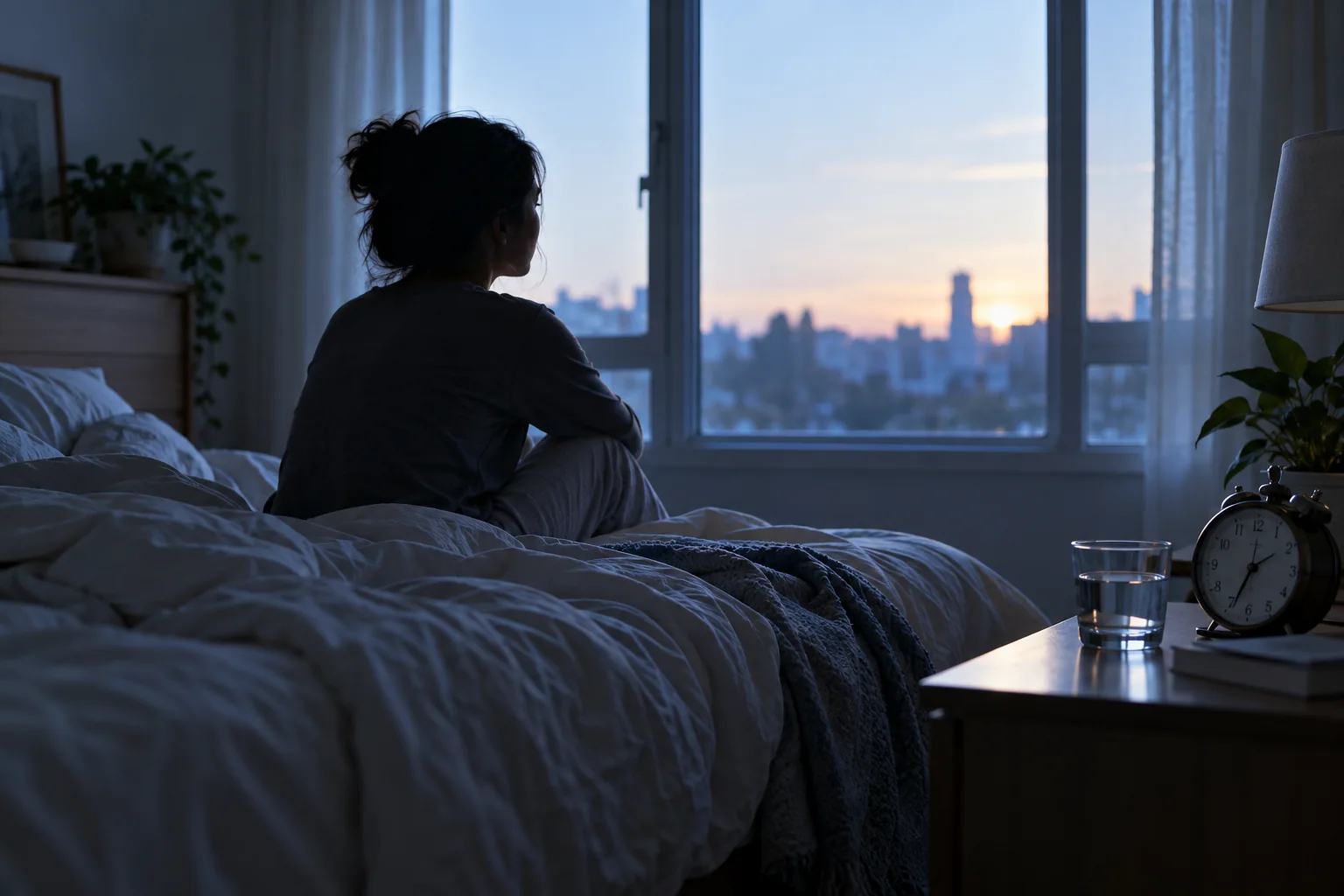
This guide concerns practical decisions about supplement use. It does not establish that a fat burner treats a medical condition or produces weight loss.
Short sleep affects more than next-day tiredness
When nights run short, a person may find it harder to concentrate, plan meals, or keep an activity routine. Those ordinary changes matter for weight management even before discussing hormones. Observational studies also link habitual insufficient sleep to higher risk of obesity and diabetes, as the CDC notes. A link in a population cannot tell you that a particular night caused a particular weight change. Work schedules, existing illness and other factors may influence both sleep and health.
This guide focuses on metabolic health and the strength of the evidence. The sleep and weight-loss guide addresses the broader weight trend; the sleep and appetite guide covers hunger in more detail. Avoid turning three overlapping topics into one vague claim that sleep itself burns fat.
What controlled studies have measured
Experiments restricting sleep for days have found changes in insulin sensitivity under some study conditions. For example, a randomized crossover study in postmenopausal women examined sleep restriction and insulin sensitivity; its result applies to that studied group and protocol. These experiments are useful because researchers control sleep more closely than a survey can. They do not prove that a home bedtime change produces a predictable diabetes or weight-loss outcome for everyone.
The other direction also needs care: a 2026 randomized trial found that extending sleep by roughly an hour for six weeks improved sleep health in adults with overweight or obesity who slept briefly, without detecting improved insulin sensitivity or glycemic control. The results are not a reason to dismiss sleep. They show why a plausible mechanism and a measured clinical outcome should not be treated as identical.
A difficult night may change food decisions
Sleep restriction can make convenience foods more appealing and meal preparation harder, but appetite responses differ between people. An especially hungry morning does not prove a hormonal disorder, and a day of eating more is not a moral failure. Consider the context: a late work shift, an early alarm, a long commute, or caffeine too late in the day. Each may be a more useful starting point than a number on a smart watch.
Build an easy breakfast and lunch for days after short sleep. A meal containing a satisfying protein source, fiber-containing foods and enough total food may help avoid arriving at evening ravenous. If exercise feels harder, choose an activity level you can do safely. A short, ordinary walk may be better than trying to compensate for fatigue with an unusually hard workout.

Look beyond hours in bed
Sleep duration, continuity and schedule all matter, but a consumer tracker cannot diagnose a disease from its sleep-stage chart. Ask whether you regularly wake unrefreshed, snore loudly, have witnessed breathing pauses, or are sleepy while driving. These patterns merit discussion with a health professional rather than another online “metabolism reset.” The sleep apnea guide explains why a breathing problem deserves separate attention.
If work dictates irregular hours, perfect consistency may be impossible. Make a realistic protected period, control light and noise where you can, and discuss persistent difficulties with a clinician. You do not need to resolve every nightly variation before improving meals or movement. Treat sleep as one part of a health plan, not a test you can fail.
Try a practical two-week sleep audit
For two weeks, note your approximate sleep and wake times, disruptions, daytime energy, caffeine timing and any unusual demands. One sentence a day is enough. Look for a repeatable opportunity: a screen-free wind-down period, a quieter room, or moving an afternoon coffee earlier. The CDC lists a consistent schedule and relaxing bedtime routine among strategies for improving sleep. Choose a step that fits your life and compare how you feel, rather than expecting a specific calorie expenditure change.
If a change does not help, examine what interfered. Caregiving, shift work, pain and anxiety can limit the impact of generic sleep tips. Seek individualized support when symptoms persist. A two-week note may clarify a pattern for a clinician but cannot establish that a biomarker has changed.
Do not use stimulant supplements to mask sleep debt
A stimulant can make someone feel more alert for a while without replacing sleep or establishing improved insulin sensitivity. The NIH Office of Dietary Supplements reports limited evidence for many weight-loss supplement claims. A short-term “energy” sensation is not proof of a healthier metabolism, and stimulants late in the day may make the next sleep opportunity harder. Check all caffeine sources if you use them.
Fat Burn Active deserves a separate assessment of its current label and individual suitability; its ingredient list cannot establish that the whole product reverses the effects of sleep restriction. Read the full review only if you are independently considering a supplement. The direct next step for a tired reader is to investigate sleep, especially if daytime functioning or breathing is affected.
Interpret progress over time
A better night can make the next day easier even if the scale changes in the opposite direction. Body weight varies with food, fluid and activity; the number after one short night cannot isolate metabolic health. Similarly, a person who sleeps longer for a week has not necessarily reversed insulin resistance. Focus on sleep consistency, alertness, ability to follow meals and activity, and appropriate clinical markers if a health professional recommends them.
If weight and sleep both worsen over time, review medicines, schedule, medical conditions and the adequacy of your eating pattern. Do not assume the solution is to eat less on exhausted days. A good plan gives you room to recover and remains workable when life is imperfect.
A realistic example
Imagine a person who sleeps six hours on work nights and tries an earlier bedtime. They may feel more alert, even if their weight remains unchanged. They should not claim improved insulin sensitivity without a test. The example separates how sleep feels, what habits change, and what a laboratory would measure. That distinction helps you choose a useful response without expecting a scale reading to explain metabolic health.
Choose the next useful step today
Check the current package, ingredients, serving directions, your other caffeine sources, and relevant health conditions. For an evidence-based starting point, read the full Fat Burn Active review. If this product still fits your circumstances, you can inspect its current offer. We may earn a commission if you buy through that link. Choosing no supplement is equally reasonable when the evidence or safety questions do not support a purchase.
Frequently asked questions
Does one poor night damage my metabolism?
One night is not evidence of permanent damage; repeated short sleep and health patterns deserve attention.
Does more sleep automatically improve insulin sensitivity?
No. Intervention results vary by group and outcome, though sufficient sleep has other benefits.
Will a fat burner replace sleep?
No. Alertness from a stimulant does not establish improved metabolic health.
Sources
- CDC: Sleep and Chronic Disease
- NIDDK: Factors Affecting Weight and Health
- Randomized Sleep Restriction Study
- 2026 Sleep Extension Trial
- Sleep Extension Feasibility Study
- NIH ODS: Weight-Loss Supplements
Reviewed against the sources listed above. Educational information only; not medical advice.