What changes on a rest day—and what does not
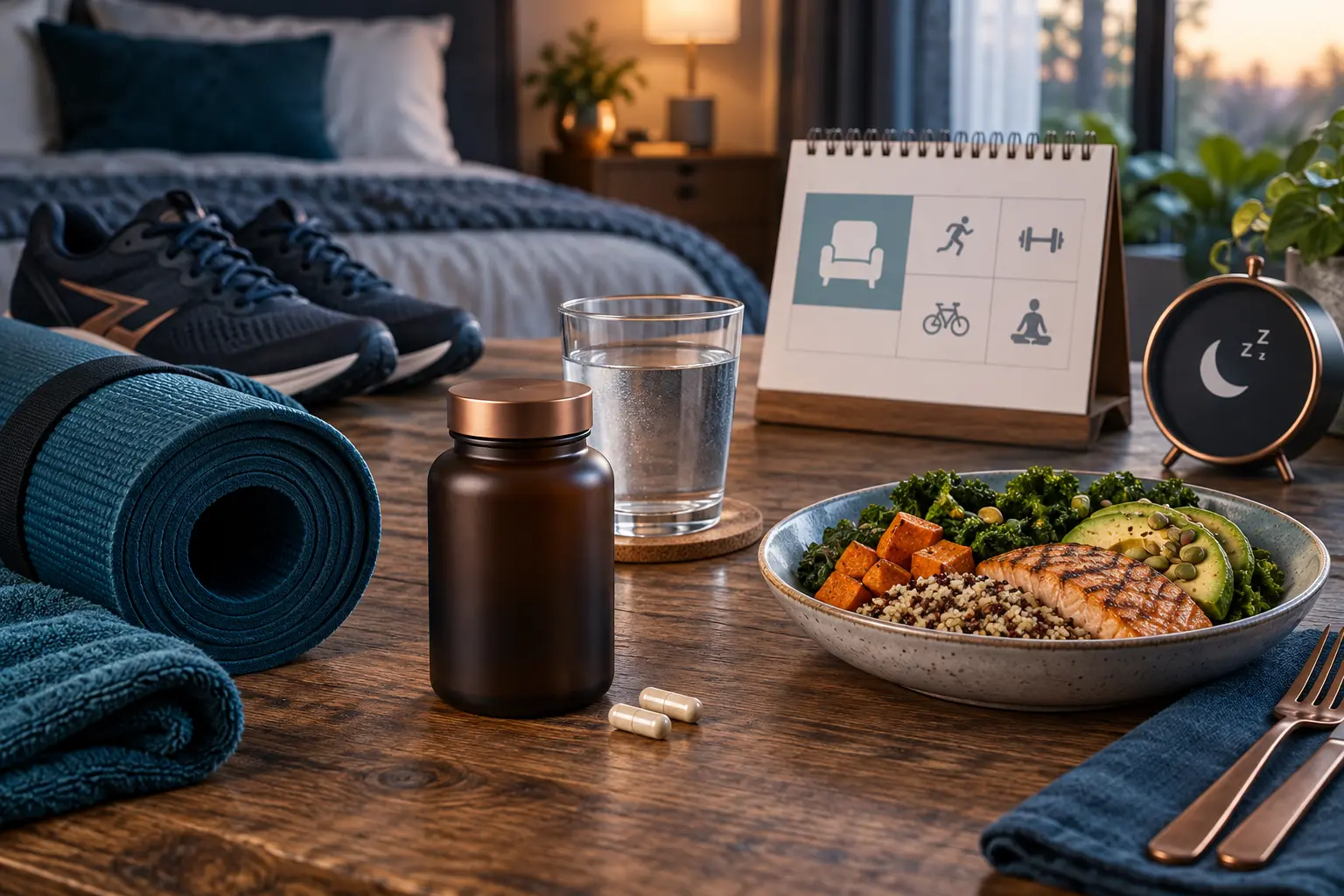
The formula does not know whether the calendar says training or rest. Caffeine and other active ingredients still have the same potential for insomnia, palpitations, anxiety, nausea, and interactions. What changes is the context: there is no workout to support, energy needs may differ slightly, and recovery becomes the priority.
Rest does not mean inactivity or dietary punishment. Easy walking, mobility, daily tasks, sufficient protein, fluids, and sleep can support recovery. Cutting food aggressively or taking extra capsules because no workout occurred can turn a planned recovery day into another stressor.
Evaluate the reason, not the weekday
Protect recovery before chasing thermogenesis
Training adaptation occurs between sessions. Poor sleep can impair recovery, appetite control, mood, and the next workout. If a stimulant serving delays sleep or encourages another caffeine dose later, the rest-day tradeoff may be negative even when it temporarily improves alertness.
Appetite also deserves context. A person may need enough energy and protein to recover from previous training. Deliberately suppressing hunger, skipping meals, and arriving at dinner ravenous can make the full day harder to manage. A fat burner should not become permission to ignore fatigue or inadequate nutrition.
Worked example: two rest days, two answers
Person A uses a stimulant only for early training, sleeps well, and has no appetite problem on rest days. Taking it on Sunday adds exposure without serving the defined purpose, so they skip it and keep normal meals and a walk. Person B considers a daily product for appetite but notices that it shortens sleep and causes afternoon irritability. A rest-day dose would preserve the problem, not improve recovery; the sensible response is to stop and review the whole product rather than inventing a lower unofficial dose.
Neither person “loses a fat-burning day.” Their result still depends mainly on the multi-week food and activity pattern. The rest day is successful when it supports the next useful week.
Use a context-first decision system
- Name the job. Write down whether the intended benefit is alertness, appetite support, training performance, or something else. “More fat burning” is too vague to evaluate.
- Read the current directions. Record the full serving, meal instructions, water, timing, warnings, and every stimulant source on the delivered label.
- Map the day. Add meals, fasting window, training, alcohol, medicines, bedtime, coffee, tea, energy drinks, and pre-workout.
- Protect the foundation. Adequate food quality, a sustainable calorie deficit, movement, training, hydration, and sleep come before a capsule.
- Choose one outcome. Decide what measurable result would make use worthwhile, and set a review date.
- Use stopping rules. Do not increase the serving to chase heat, sweat, reduced hunger, or a stronger sensation.
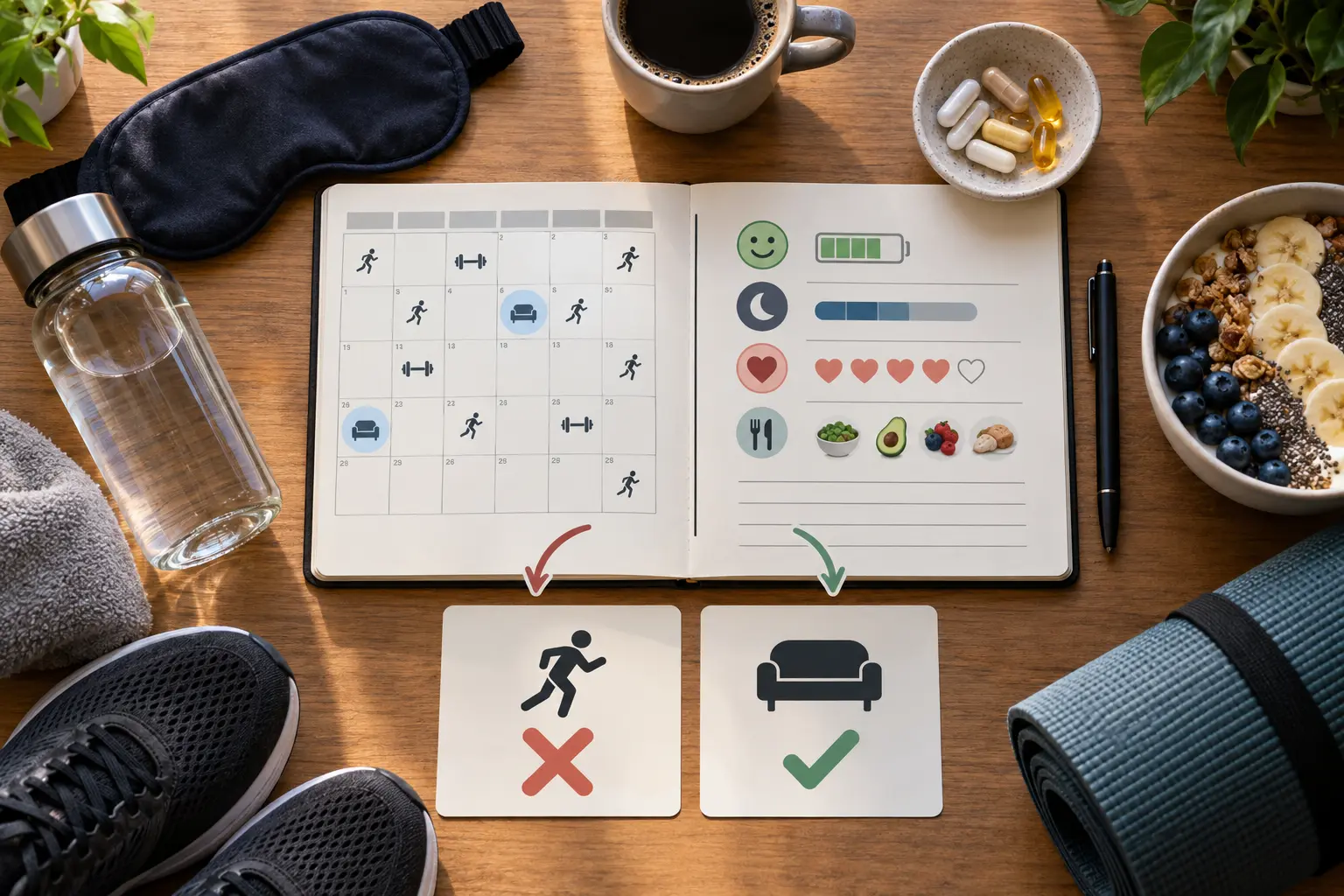
Keep a brief log of the serving, food, caffeine, sleep, appetite, training, and symptoms. Compare several ordinary days rather than one unusually good workout or low scale reading. Weight can move because of water, glycogen, sodium, bowel contents, and alcohol-related dehydration; those changes do not prove fat loss.
Before starting, collect a seven-day baseline without the product when practical. Use comparable morning weigh-ins, one consistent waist method, ordinary step counts, usual meals, bedtime, and training notes. During the test, keep the serving fixed and avoid introducing another supplement or a dramatic diet change. Review weekly averages and the predefined outcome, then ask whether any improvement is large enough to matter after cost, inconvenience, and adverse effects are included.
This is a decision aid, not a personal clinical trial. Self-observation cannot exclude placebo effects or prove that the capsules caused a change. It can, however, expose a product that adds no useful benefit or repeatedly worsens sleep, anxiety, digestion, pulse symptoms, or adherence. If the result is unclear at the review date, record it as unclear rather than extending use indefinitely in search of certainty.
How this applies to Fat Burn Active
The current official page recommends two capsules with 300 ml of water, preferably before a meal or training, and says not to consume the product on an empty stomach. It lists 76 mg caffeine anhydrous plus guarana standardized to about 44 mg caffeine, so the known minimum is 120 mg. Green-tea caffeine is not quantified, and the formula also contains bitter-orange extract standardized to 6 mg synephrine.
The official caution says not to combine it with other caffeine sources or ingredients with a similar effect. Coffee, caffeinated tea, energy drinks, pre-workout, some medicines, and other stimulant products therefore belong in the same exposure calculation. The known minimum is not the exact total. Check the delivered bottle and ask the manufacturer to clarify any difference from the website.
On a rest day, this formula still provides at least 120 mg of known caffeine. If the original purpose was workout stimulation, exposure without that purpose is difficult to justify. Do not double the next serving after a skipped day.
Use the Can You Take Fat Burners on Rest Days? criteria to assess Fat Burn Active rather than relying on a headline claim. Our formula evidence analysis explains the remaining uncertainty. If the product fits your needs, view current availability and ordering terms on the official website. We may earn a commission at no extra cost.
Safety is a separate gate
The official product page excludes children, pregnancy or breastfeeding, cardiovascular disease, and caffeine hypersensitivity. People with hypertension, arrhythmia, anxiety, insomnia, liver disease, an eating-disorder history, or relevant medicines should obtain individualized advice from a clinician or pharmacist before considering a stimulant formula.
Stop use and seek urgent care for chest pain, fainting, severe breathing difficulty, confusion, serious allergic symptoms, or a sustained racing or irregular heartbeat. Palpitations, tremor, repeated nausea, dizziness, severe headache, anxiety, and insomnia are adverse effects—not evidence that the product is working. Do not use a supplement to compensate for overeating, missed exercise, or alcohol.
Frequently asked questions
Will skipping rest days slow fat loss?
There is no good evidence that missing an optional fat-burner dose prevents fat loss. The overall calorie deficit and sustainable routine matter far more.
Should calories be lower on rest days?
Not automatically. Needs and preferences vary; recovery nutrition and weekly adherence matter.
Can I use a rest day to reset caffeine tolerance?
A single skipped day is not a proven fat-loss strategy. Regular users may experience withdrawal, and gradual reduction may be more comfortable.
Should I make up a missed dose?
No. Do not double a later serving.
Sources
- Fat Burn Active official directions and cautions
- NIH ODS: Dietary Supplements for Weight Loss
- FDA: How Much Caffeine Is Too Much?
- Physical Activity Guidelines for Americans
- NCCIH: Using Dietary Supplements Wisely
Sources reviewed September 16, 2026. This article is general educational information, not medical advice, diagnosis, or treatment.