
The short answer
Dizziness after a fat burner should not be normalized. It can describe lightheadedness, imbalance, or spinning, and possible causes include dehydration, blood-pressure changes, stimulant effects, anxiety, missed food, medication interactions, or an unrelated medical problem.
First define what “dizzy” feels like
The word dizziness is too broad to identify a cause. Lightheadedness on standing differs from room-spinning vertigo. A stimulant may coincide with changes in pulse, blood pressure, breathing, appetite, or fluid intake, but timing alone does not prove causation. A serious alternative must not be dismissed as a supplement reaction.
The first goal is safety, not proving which ingredient is responsible at home. Stop the suspected product, avoid another serving, and seek appropriate advice. If symptoms are severe, rapidly worsening, or accompanied by emergency signs, use urgent medical care rather than an online troubleshooting checklist.
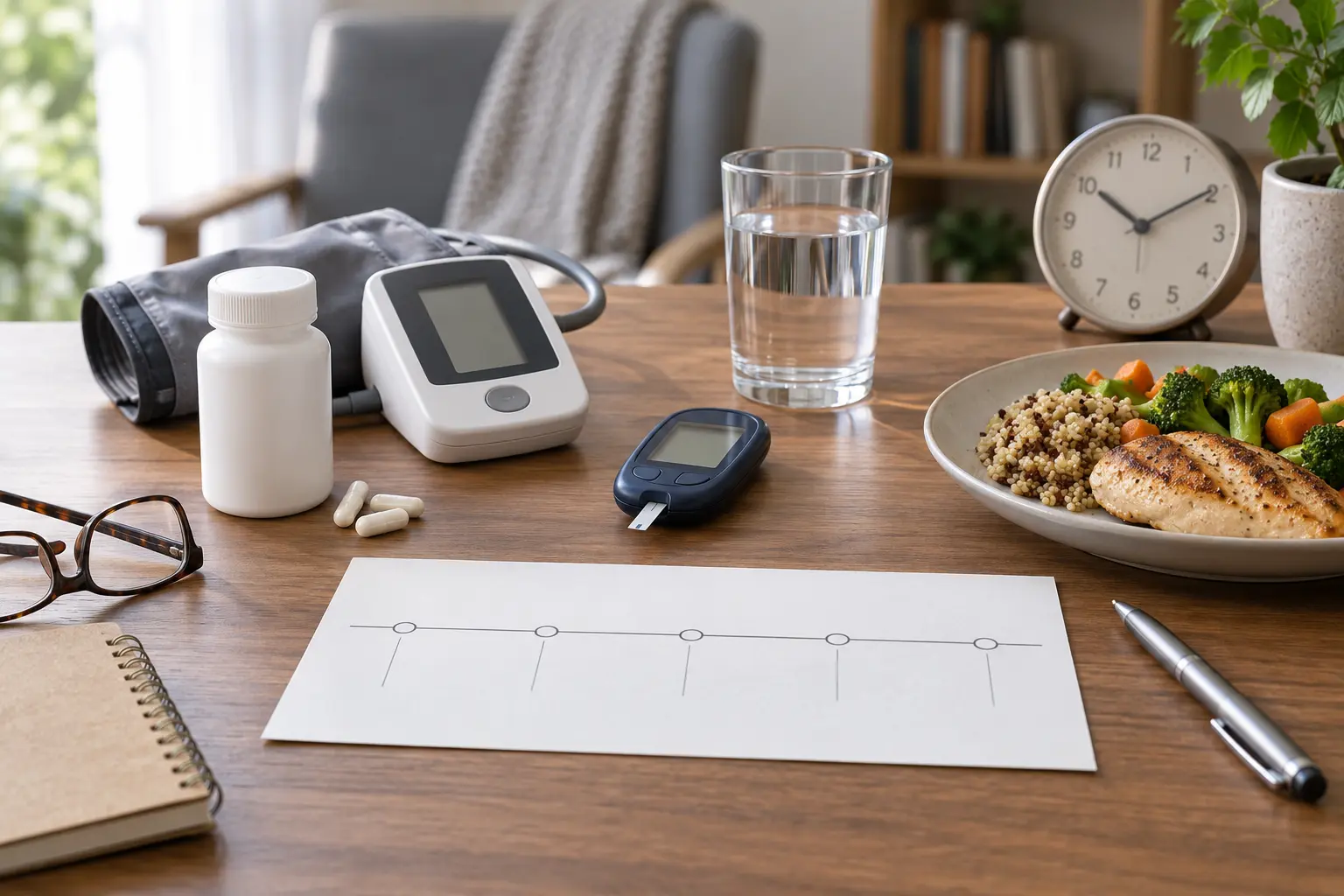
Why the formula is only one part of the picture
Fat burners are not one standardized substance. A product may contain caffeine, green-tea extract, guarana, bitter orange, capsaicinoids, carnitine, fiber, minerals, sweeteners, or an undisclosed proprietary blend. The same label can affect two people differently because sensitivity, body size, habitual caffeine use, health conditions, medicines, food, sleep, and heat exposure differ.
Stacking makes the picture less clear. Coffee, energy drinks, pre-workout, nicotine, decongestants, and another supplement can raise the total exposure beyond what one bottle suggests. Botanical caffeine still counts as caffeine. A “natural energy” phrase is not a dose.
A five-step response system
- Sit or lie down safely and avoid driving, heights, or exercise.
- Stop the suspected supplement and record the exact sensation and timeline.
- Check associated signs: chest pain, palpitations, severe headache, weakness, speech, vision, fainting, or vomiting.
- Review food, fluid, caffeine, medicines, illness, and posture with a clinician or pharmacist.
- Call emergency services for stroke-like signs, fainting, severe breathing trouble, chest pain, seizure, or a sudden severe headache.
Keep the container rather than relying on an online product photo; formulas can change. Photograph every panel, including warnings and other ingredients. A clinician or pharmacist needs the actual amounts, serving size, and timing—not only the brand name.
Worked example
Someone skips lunch, takes a full serving with coffee, then feels faint when standing. Sitting down and stopping the product is sensible, but the episode still needs context: total stimulant exposure, food and fluid intake, blood-pressure medicines, diabetes treatment, heat, and associated symptoms.
This example does not diagnose the cause. It shows why changing one variable at a time matters and why a symptom should not be reframed as successful fat burning.
Build a useful symptom timeline
Write the time of the last normal meal, supplement dose, coffee or tea, medicines, exercise, symptom onset, peak, and recovery. Describe what you felt without using only a broad label: burning, cramping, spinning, faintness, weakness, racing heartbeat, thirst, or stool change. Note what happened after stopping.
Also record prior tolerance. A reaction after months of use can still matter: the formula, dose, other products, health status, temperature, or medication may have changed. Do not deliberately reproduce the reaction to strengthen the timeline.
Know when self-monitoring is not enough
Emergency features include fainting, chest pain, severe breathing difficulty, seizure, confusion, stroke-like weakness or speech changes, a sudden severe headache, or signs of a serious allergic reaction. Persistent vomiting, inability to keep fluids down, blood, black stool, severe abdominal pain, or worsening symptoms also needs prompt professional assessment.
When the reaction is milder, stopping the product and contacting a clinician or pharmacist is still reasonable. In the United States, suspected supplement adverse events can be reported to FDA; reporting is useful even when causation is uncertain.
Prevent the next uncertain reaction
Before any supplement trial, reconstruct the full daily dose and every stimulant source. Avoid proprietary blends when amounts are hidden. Do not begin during illness, extreme heat, sleep deprivation, travel, a new medication, or a major diet and training change. Those overlaps increase risk and make the cause harder to identify.
Define one intended benefit, a review date, and stopping rules before spending money. If the product produces no meaningful benefit—or produces symptoms—the correct decision may be not to use it. Increasing the serving to chase a stronger sensation is not an evidence-based strategy.
Related Active Body Hub guides
Continue with fat burners and palpitations, fat burners and high blood pressure, and finding every stimulant on a label.
For a broader label audit, see how to find the true daily dose and why exact ingredient amounts matter.
Where Fat Burn Active fits
Dizziness deserves a safety decision before a buying decision. Stop the suspected product, avoid driving or strenuous activity while symptomatic, and seek medical advice for severe, persistent, or recurrent symptoms. Keep the bottle and a record of timing, dose, food, fluids, medicines, and other caffeine so a clinician can assess the whole picture. If you are assessing a product before use rather than managing a current symptom, our Fat Burn Active review separates its disclosed formula from evidence and safety gaps.
Describe the sensation before choosing a response
Lightheadedness on standing, a spinning sensation, and unsteadiness while walking are different experiences. Write which one occurred, when it began relative to the capsule, how long it lasted, and whether there was a missed meal, heat exposure, exercise, dehydration, or another stimulant. A supplement may be one possible contributor, but dizziness can also have unrelated causes. The timeline is information for assessment, not proof of a single diagnosis.
If dizziness begins after a new supplement, stop the product and sit or lie down safely. Avoid driving, climbing, or hard exercise while impaired. Do not compensate by taking another stimulant. Check the label for caffeine from multiple sources, serving size, and warnings; include energy drinks, pre-workout, coffee, and medicines in the exposure record. A label may list a guarana extract without giving the total caffeine from every botanical, so the combined amount can remain uncertain.
Get urgent medical help for fainting, chest pain, shortness of breath, severe headache, new weakness or speech trouble, or persistent severe symptoms. A milder recurring episode still deserves professional evaluation, especially if blood-pressure medication, diabetes treatment, or another relevant condition is involved. Online symptom lists cannot distinguish these possibilities reliably. The next step is to describe the event accurately to someone who can assess it.
Do not turn a “no dizziness” day into proof that the product is safe for continued use. Conditions change across days, and an ingredient may interact with sleep, food, heat, or other substances. A buyer deciding whether to try any stimulant formula should resolve the cause of dizziness first. If the product no longer fits, skip it; the weight-management plan can proceed without adding an uncertain exposure.
Frequently asked questions
Should I reduce the dose and try again?
Do not use a lower dose to diagnose a reaction yourself. Stop first and obtain appropriate advice, especially when the symptom was significant or the formula contains multiple stimulants.
Does a side effect mean the product is strong?
No. Sensation and efficacy are different outcomes. A side effect can occur without meaningful fat loss, while tolerance can reduce sensation without making a product safer or more effective.
Can I switch immediately to another fat burner?
That can repeat the same exposure and obscure the cause. Identify the job the product was meant to do and consider a direct non-supplement alternative before trying another formula.
Should the reaction be reported?
Serious or concerning suspected reactions can be reported to the relevant regulator and manufacturer. Keep the label, lot number, purchase source, timeline, and medical records available.
A brief written decision log helps: product, intended benefit, exact daily exposure, evidence level, cost, symptom threshold, and stop date. It prevents the purchase itself from becoming a reason to continue despite uncertainty or harm.
Sources
- MedlinePlus: Dizziness and Vertigo
- MedlinePlus Medical Encyclopedia: Dizziness
- Mayo Clinic: Dizziness—Symptoms and Causes
- FDA 101: Dietary Supplements
- FDA: How Much Caffeine Is Too Much?
- NIH ODS: Dietary Supplements for Weight Loss
Evidence reviewed September 16, 2026. Educational information only; not medical advice.