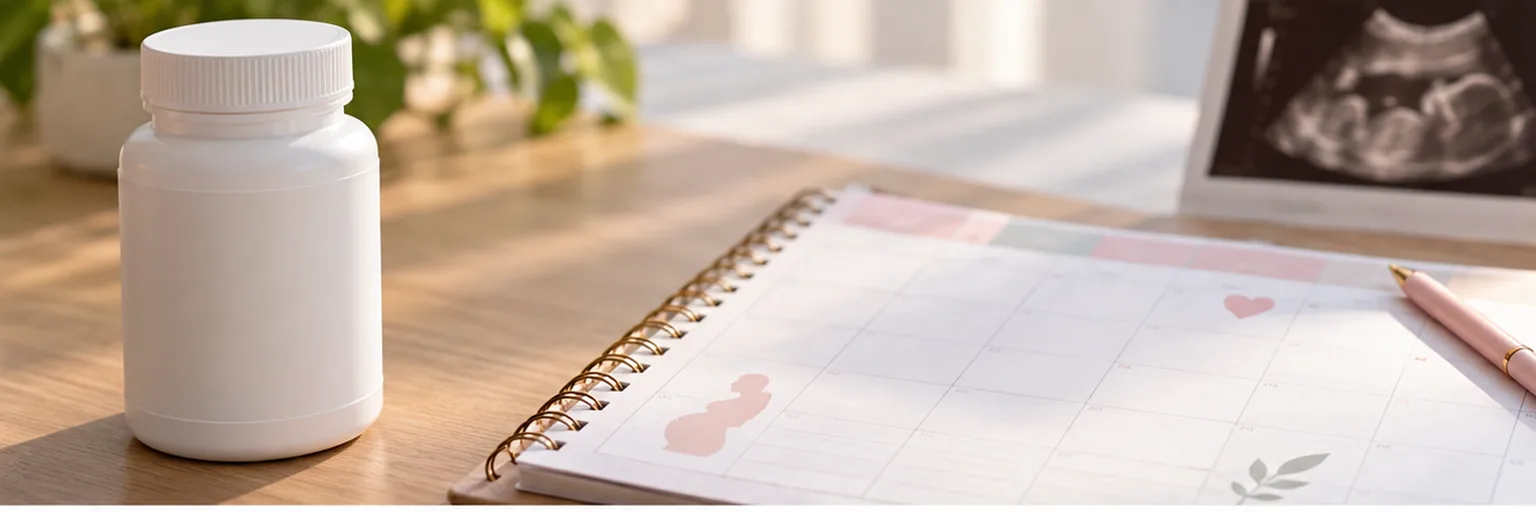
This guide concerns practical decisions about supplement use. It does not establish that a fat burner treats a medical condition or produces weight loss.
A familiar goal enters a different safety context
Weight changes during pregnancy and after birth can feel unsettling, especially when a product promises quick control. The advertisement may list plant extracts and call its formula gentle. That description does not answer whether the complete formula was studied during pregnancy or breastfeeding, what exposure reaches the baby, or whether its ingredients affect nutrition, sleep or medicines. The safest decision is to pause the shopping process and bring the exact current label to a clinician who knows your circumstances.
Pregnancy is not an appropriate time to pursue a rapid fat-loss target. After birth, recovery and feeding needs differ from person to person. Our realistic rate of fat loss guide concerns general adults; individualized postpartum advice takes priority.
Why adult ingredient studies cannot settle the question
Most weight-loss supplement evidence looks at nonpregnant adults, individual ingredients and short outcomes. A study suggesting a small change in appetite or energy expenditure in that group does not establish safety for fetal development or breastfeeding. NIH ODS describes uncertainty for many weight-loss ingredients and notes that multi-ingredient products are difficult to evaluate. Even if a bottle lists familiar food-derived compounds, a concentrated extract can differ from normal food intake.
Ask whether the exact finished product has evidence for this life stage. In practice, missing evidence is a reason to avoid self-prescribing, not permission to infer safety. The evidence guide explains why ingredient, dose and population must match the claim.
Caffeine and botanicals need their own review
A fat burner might combine declared caffeine with green tea, guarana or other stimulant sources. Count coffee, tea and energy drinks too, but do not use a general adult caffeine threshold as a personalized pregnancy or breastfeeding clearance. The relevant limit and timing should be discussed with your care team. Proprietary blends can hide individual ingredient amounts, making exposure harder to calculate. “Caffeine-free” is not a safety certificate if other botanicals remain.
The NIH pregnancy fact sheet discusses nutrients and botanicals in pregnancy; NCCIH recommends professional discussion of supplements outside routine vitamin and mineral care. Bring both the supplement label and your prenatal or postnatal products to the appointment. Do not replace prescribed prenatal support with a weight-loss formula.
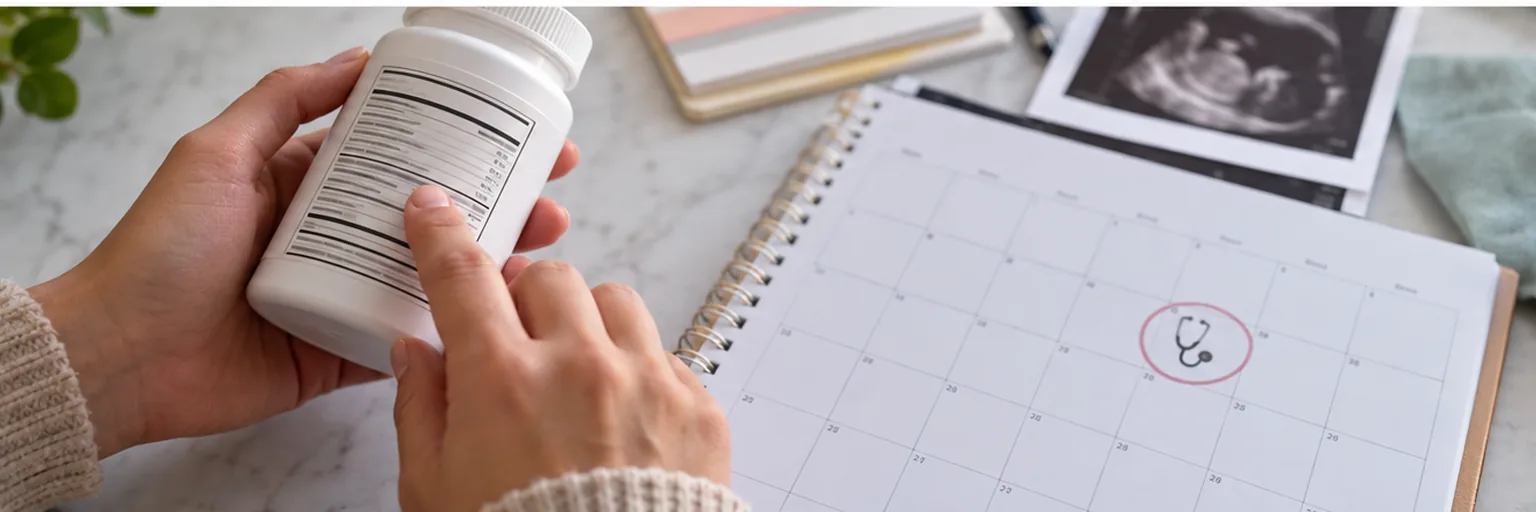
If you already took a product
Do not panic or attempt to “flush out” a supplement. Stop the optional weight-loss product and contact your obstetric, primary-care or lactation clinician for individual advice, especially if you have symptoms, took repeated servings or cannot identify the ingredients. Record the brand, product photograph, serving, timing and other medicines or drinks. This helps the care team assess actual exposure. For urgent symptoms, seek urgent medical care.
If you are breastfeeding, the clinician can help weigh feeding and medication questions in context. Avoid universal internet advice to stop feeding or to continue any specific supplement without a review. FDA advises stopping a supplement and seeking care or advice when an adverse event occurs.
Choose a care plan rather than a shortcut
During pregnancy, focus on the nutrition and activity plan advised by your prenatal team. After birth, ask what is appropriate for your recovery, feeding method, sleep and medical history. Food access, fatigue and support matter; a capsule does not solve those pressures. If body-weight concerns are causing distress, say so explicitly to your clinician. A discussion about sustainable meals and safe movement can address the real question without a stimulant experiment.
For someone months postpartum, the timing and rate of any weight-management plan remain individual. A person who is not breastfeeding still needs to consider recovery and medicines. The supplement safety guide covers general screening after these life-stage questions have been resolved.
A decision example
Imagine a parent sees a “natural metabolism” product and recognizes green tea on the front. The ingredient panel also lists a proprietary blend and an unfamiliar botanical. They are breastfeeding and occasionally taking an over-the-counter medicine. It is impossible to establish infant exposure or medicine compatibility from the marketing panel. The useful step is to save the full label, ask the clinical team about the specific formula and work on a practical food and rest plan.
The decision would remain cautious even if an adult study measured a modest short-term effect. That study addresses a different population and outcome. More favorable marketing cannot fill an evidence gap for pregnancy or breastfeeding.
Where the product review fits
The Fat Burn Active review explains general label and evidence questions, but it is not a recommendation for use during pregnancy or breastfeeding. Product information from a seller is not individualized medical advice. There is no need to visit an offer page when the immediate decision is to avoid starting a weight-loss supplement and speak with your care team.
If you are planning a pregnancy, tell your clinician about products you currently use rather than waiting until a positive test. For breastfeeding, bring questions about both maternal health and infant exposure. The right next step is a documented conversation, not a purchase.
Bring a useful list to the appointment
Photograph the front and back of every supplement bottle, including serving directions and warnings. Add the date you began or stopped it, the number of servings, regular medicines, and caffeine-containing drinks. Note any symptoms without assuming the product caused them. A clinician can use this information to decide what needs follow-up. Keep the package available in case the ingredient list on a retailer page differs from the one you actually used.
If a friend says a product was safe for them, remember that their pregnancy, health history and formula may be different. Another person's experience cannot establish safety for yours. You deserve clear, individual advice, even if that means the answer is to wait.
Make a safer next decision
Review the current label and your personal circumstances with a qualified healthcare professional. The Fat Burn Active review provides general product context, but it does not establish individual safety. If you have symptoms or a relevant medical condition, prioritize care; a purchase is not the next step. This site may earn a commission from qualifying product links elsewhere.
Frequently asked questions
Can a natural fat burner be used during pregnancy?
A natural label does not establish safety; discuss the exact product with your prenatal clinician.
What if I took one before realizing I was pregnant?
Stop the optional supplement and contact your care team with the exact label and exposure details.
Is breastfeeding different?
Yes. Infant exposure and maternal health need an individual review rather than a general adult recommendation.
Practical decision checkpoint
Bring the exact label to a qualified clinician rather than relying on a general “natural ingredient” reassurance. Ask about the whole formula and any stimulant content. Weight-loss marketing is not a substitute for individualized care during pregnancy or breastfeeding.
Sources
- NIH ODS: Weight-Loss Supplements
- NIH ODS: Supplements and Pregnancy
- NCCIH: Pregnancy and Supplements
- FDA: Dietary Supplement Safety
- NCCIH: Using Supplements Wisely
- FDA: Supplement and Medicine Interactions
Reviewed against the sources listed above. Educational information only; not medical advice.