Step 1: decide whether you need a supplement
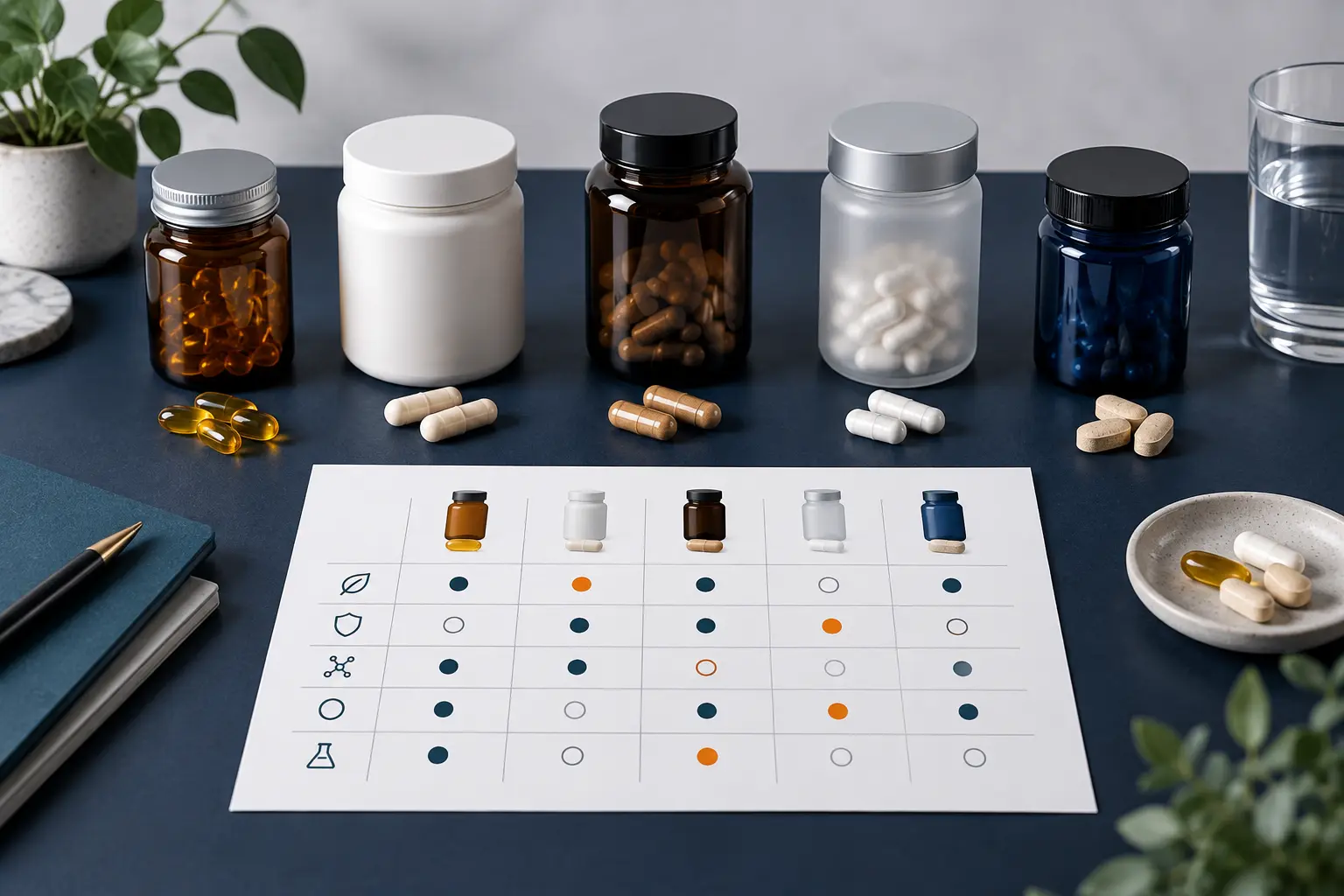
The category often creates a false first question: “Which product is best?” A better first question is whether a product solves a defined bottleneck. If meals are unplanned, sleep is short, activity is inconsistent, or the calorie deficit is too aggressive, a capsule does not correct the underlying system. Write the intended outcome in measurable language—for example, fewer automatic café calories, better adherence during an afternoon hunger period, or a clearly defined trial of a fiber product.
Skip the purchase when the goal is vague, such as “boost metabolism,” “detox,” or “melt stubborn fat.” Those phrases do not identify a meaningful endpoint. Also compare the product with the no-supplement option: a planned snack, earlier bedtime, registered-dietitian session, walking routine, or grocery budget may address the problem more directly.
Step 2: reject incomplete labels
A usable label identifies serving size, servings per container, every active ingredient, amount per serving, recommended daily use, botanical form or extract details when relevant, other ingredients, allergens, warnings, manufacturer or distributor, and contact information. Calculate exposure from the actual daily directions—not from one capsule pictured on the front.
Proprietary blends conceal individual amounts. That prevents dose matching and can hide how much of a stimulant source is present. “Clinically studied ingredients” may mean an ingredient has research somewhere; it does not show that this product uses the same form, dose, population, duration, or outcome. If the label cannot answer those questions, uncertainty is a reason to pause, not an invitation to assume the best.
Step 3: grade the evidence by distance
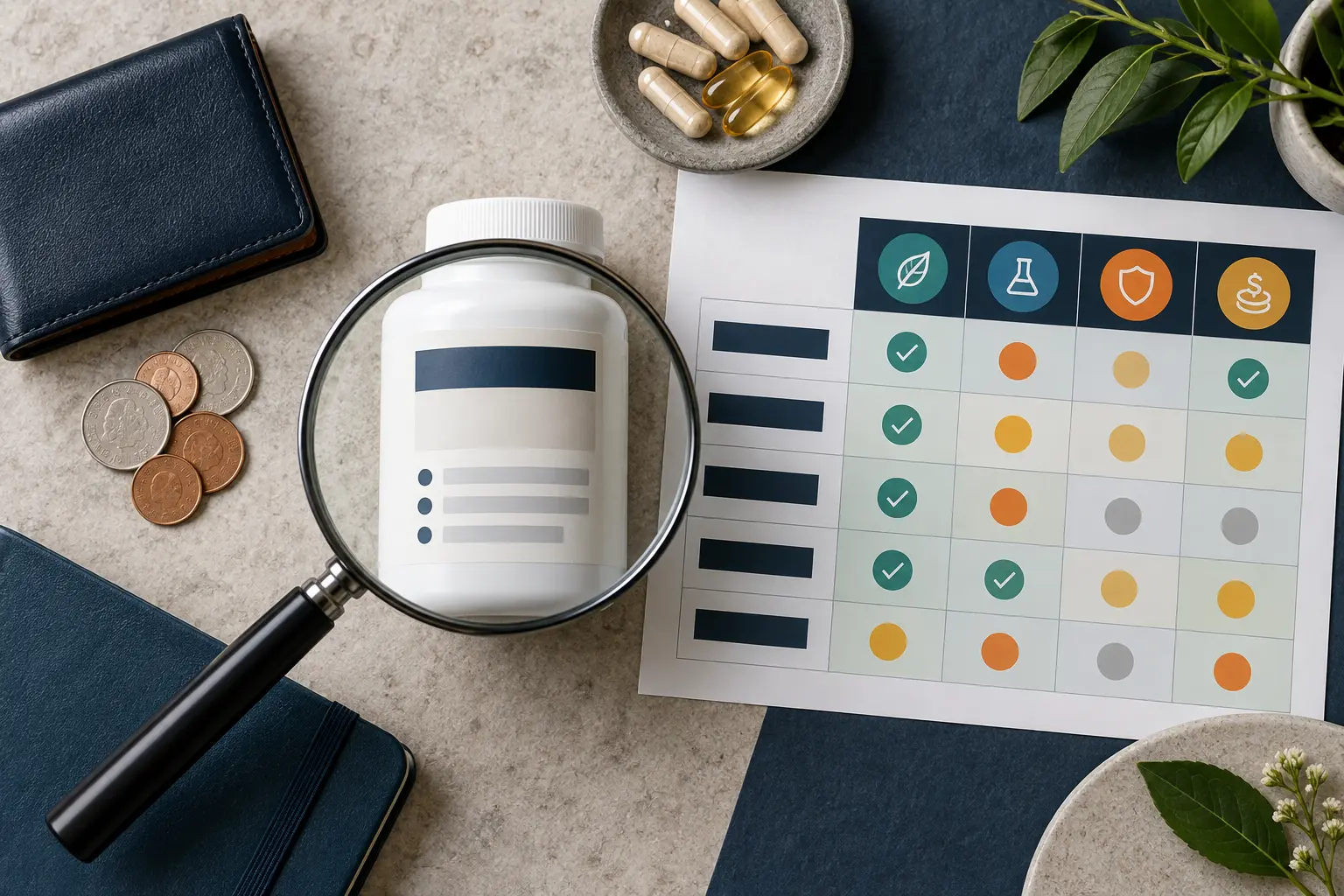
Do not add small favorable findings from unrelated ingredient studies and call the blend proven. Check whether the study measured actual body weight or fat over a useful period rather than acute energy expenditure, appetite ratings, or laboratory markers. Statistical significance is not automatically a difference large enough to matter to the buyer.
Step 4: test dose relevance
Match the product amount with research using the same chemical or botanical form. For extracts, look for plant part, extraction ratio, and standardization. For caffeine, total all declared sources—including coffee, tea, guarana, yerba mate, kola nut, pre-workout products, energy drinks, and medicines—across the day. A study using a higher dose does not validate a lower-dose product; a higher product dose is not automatically better or safer.
Directions also matter. A formula studied once daily cannot be assumed equivalent when taken differently. If the product does not disclose enough information to calculate exposure, the dose-relevance verdict is “cannot determine.” That result should lower confidence even when the ingredient list looks familiar.
Step 5: run the safety gate before comparing price
Pregnancy, breastfeeding, trying to conceive, age under 18, cardiovascular disease, high blood pressure, arrhythmia, anxiety, bipolar disorder, glaucoma, seizures, liver or kidney disease, diabetes, eating-disorder history, surgery, and regular medicines can change the decision. A pharmacist or clinician can review interactions and whether the claimed goal belongs in medical care.
Reject products that encourage exceeding directions, stacking stimulants, masking symptoms, replacing meals, or using laxative or diuretic effects as “fat loss.” Chest pain, fainting, severe palpitations, difficulty breathing, confusion, seizure, jaundice, or severe allergic symptoms require urgent medical care—not an online product comparison.
Step 6: check quality signals without treating them as efficacy
Independent certification may help verify identity, contaminants, and label accuracy, but it does not prove that a product causes weight loss. Look for a lot number, expiration or best-by information, intact packaging, clear storage directions, and a traceable responsible company. Be cautious with marketplace sellers, copied labels, and products shipped through an unclear chain.
FDA does not approve dietary supplements for safety and effectiveness before they reach the U.S. market. A compliant-looking label, “natural” wording, patents, testimonials, celebrity use, or a money-back guarantee cannot substitute for evidence. Search current FDA warning letters, recalls, and health-fraud notices when a product makes aggressive claims.
Step 7: compare value using the real daily cost
Calculate cost per recommended day, including shipping, taxes, subscription conditions, and the number of containers needed for a fair trial. Then ask what evidence the buyer receives for that cost. A cheaper proprietary blend may provide less assessable value than a transparent single ingredient; an expensive formula is not superior because its ingredient list is longer.
Define a stopping rule before purchase: which side effect, missing label detail, interaction concern, price change, or lack of useful progress would end the trial? Measure the intended outcome while keeping the rest of the plan reasonably stable. If several variables change together, improvement cannot be attributed confidently to the product.
A simple choose, pause, or skip framework
A good decision process can legitimately end without a purchase. That is not a failure of comparison; it is evidence that the product did not clear the gate.
Create a decision record before checkout
Save the dated label, seller, serving directions, daily cost, and the claims that influenced you. Beside each claim, write the closest supporting evidence and whether it concerns a mechanism, one ingredient, the complete formula, or the sold product. Record missing amounts and unresolved interactions as unknowns. This prevents a polished product page from quietly replacing facts you could not verify.
Define the outcome you will measure, the baseline period, how long the trial can reasonably run, and the conditions that mean stop. Include sleep, appetite, mood, digestion, blood pressure or heart rate when relevant, weekly average weight, waist trend, and adherence to the underlying plan. Do not introduce several supplements or major diet changes at the same time.
At the review date, compare the full pattern—not only the most favorable number. A small scale change accompanied by insomnia, anxiety, inadequate eating, or higher cost may not be a useful result. No clear benefit is valid information. Do not double the dose, extend use indefinitely, or reinterpret side effects as proof the product is powerful.
Where Fat Burn Active fits
Fat Burn Active is an optional commercial product, not a required part of weight management. Ingredient-level research does not establish that the finished formula produces the same outcome, especially when exact amounts, forms, standardization, total daily exposure, or product-level trials cannot be confirmed. A noticeable stimulant sensation is not evidence of body-fat loss.
The official Fat Burn Active page lists a multi-ingredient thermogenic formula, but the buying decision for How to Choose a Weight-Loss Supplement Without Buying the Marketing should follow the evidence check above. Compare our independent review, then, if the product remains a reasonable fit, verify the current label, directions, and purchase options. We may receive a commission at no additional cost.
Frequently asked questions
Is a longer ingredient list better?
No. More ingredients create more dose, interaction, and attribution questions. Transparency and relevant evidence matter more than count.
Does third-party testing prove weight loss?
No. It may support identity or contaminant checks; it does not establish effectiveness.
How long should I test a supplement?
Only when safe, define the period from relevant evidence and label directions, then stop for adverse effects or a failed decision gate.
Sources
- NIH ODS: Dietary Supplements for Weight Loss
- FDA: Questions and Answers on Dietary Supplements
- FDA: Health Fraud Product Database
- FTC: Health Products Compliance Guidance
Evidence reviewed September 9, 2026. Educational information only; not medical advice.