Why counting is optional but energy balance is not
Calories describe energy. When average intake remains below average expenditure, stored energy supplies part of the difference. An app does not create that physiology; it only tries to estimate one side of it. People lost and gained weight long before food databases existed.
The mistake is replacing “I do not count” with “amounts do not matter.” Olive oil, nuts, restaurant meals, alcohol, sweetened drinks, and snacks still contribute energy even when they are nutritious or unlogged. A no-counting plan works by changing the probability and size of intake without attaching a number to every item.
That can be a better fit for people who dislike logging, eat repeated meals, cannot obtain reliable restaurant data, or find tracking mentally costly. It can be a poor fit when portions drift unnoticed or when a medical plan requires quantified nutrition. The method should serve the person, not become an identity.
Replace the calorie target with observable structure
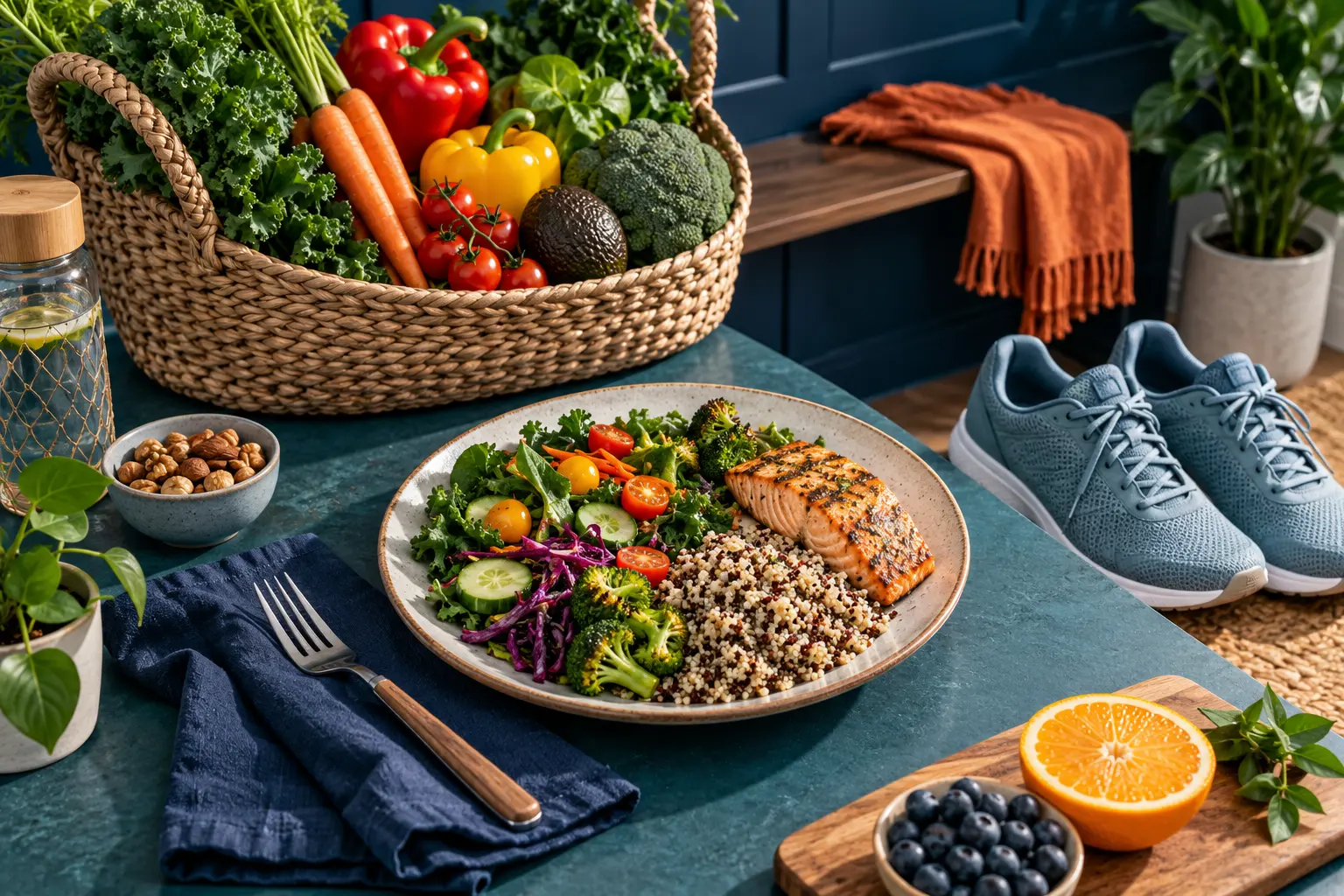
Many guides offer a list of “autopilot” foods but do not explain how to test the result. Use four anchors instead. First, include a protein source appropriate to your needs at most meals. Second, make vegetables, fruit, legumes, or other fiber-rich foods visible. Third, portion energy-dense additions rather than pouring or eating from the package. Fourth, choose water or another low-energy drink for routine hydration.
These anchors can improve fullness and reduce decision load, but they are not magic. A large bowl made from high-energy ingredients may still exceed needs. The missing control is feedback: if the multi-week trend does not change, the pattern must be adjusted.
A plate-and-routine method
- Choose three repeatable breakfasts or lunches. Familiar meals make portion drift easier to notice.
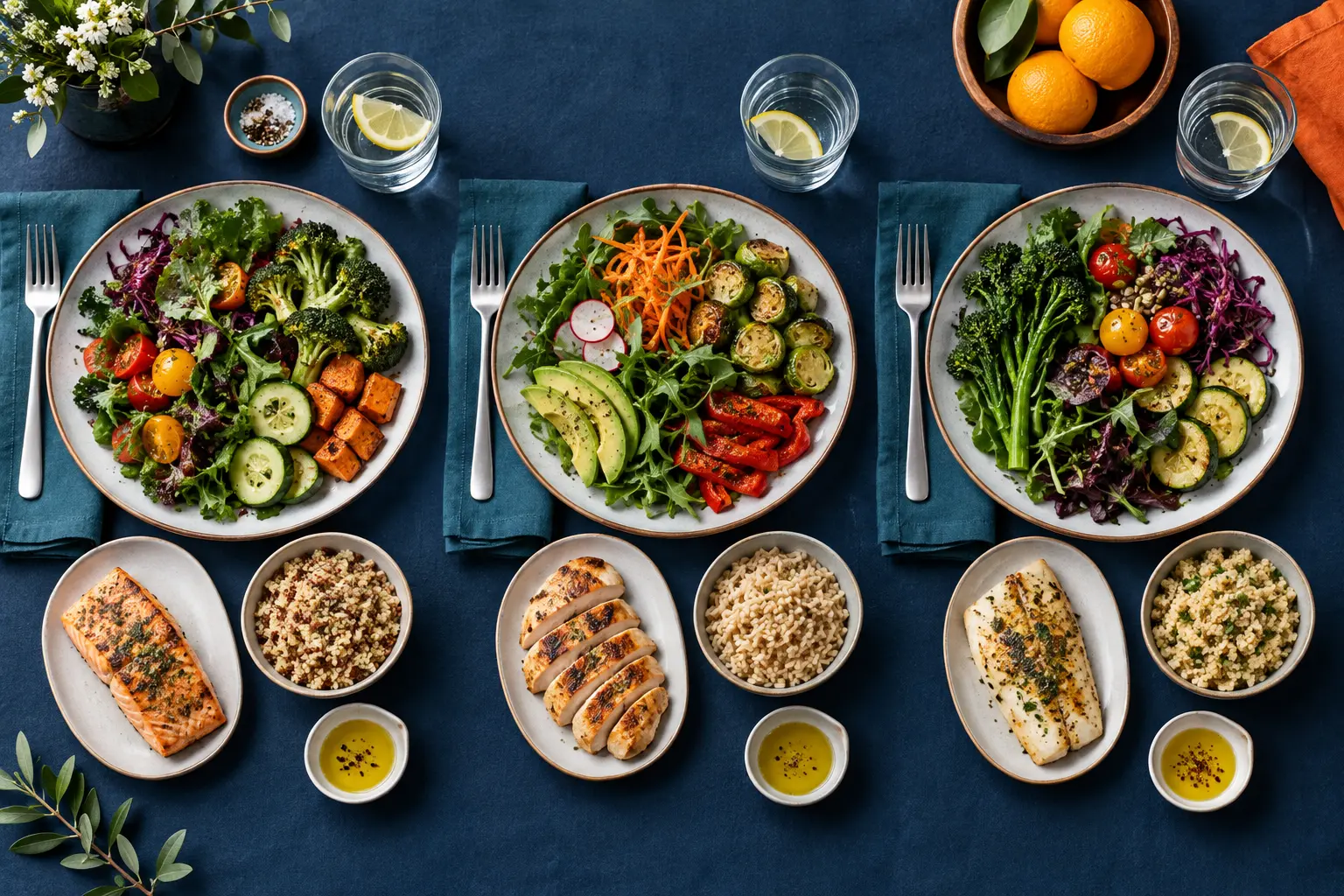
- Build the plate. Start with vegetables or fruit and a suitable protein source, add a fiber-rich carbohydrate when appropriate, then add measured fats or sauces.
- Pre-portion snacks. Put the intended amount on a plate rather than eating from a bag.
- Plan the difficult window. Prepare a complete meal or snack for the time when hunger normally produces takeout or grazing.
- Keep one flexible meal. Decide its boundaries in advance so flexibility does not become an unmeasured weekend.
Hand portions and plate fractions are approximate. That is acceptable when they are applied consistently and adjusted from results. Cultural foods can fit; the goal is a repeatable energy pattern, not a standardized menu.
Use movement without pretending it is precise
Daily movement and exercise can support the gap, health, fitness, and muscle retention. Establish a walking or activity baseline you can repeat, then add resistance training when appropriate. Avoid using a wearable's calorie display as permission to replace every estimated calorie with food.
Exercise can increase hunger, and hard sessions can reduce later movement. Track steps, completed sessions, and recovery as behaviors. If a new program repeatedly leads to exhaustion, more sitting, or rebound eating, reduce the dose or improve meal timing instead of assuming more exercise always produces a larger net deficit.
Protect sleep. Short sleep does not violate energy balance, but it can make hunger, cravings, planning, and activity harder to manage. A no-counting method depends on reliable decisions, so recovery belongs inside the plan.
Run a three-week no-counting experiment
Record morning weight under similar conditions when regular weighing is appropriate, then calculate weekly averages. Measure waist every two to four weeks at the same landmark. Also score adherence to the meal anchors, hunger, sleep, and training.
Ignore one-day jumps caused by sodium, carbohydrate, menstrual-cycle phase, constipation, travel, or hard training. After three consistent weeks, choose one response. If weight or waist is moving gradually and function is acceptable, keep the plan. If both are flat, tighten one visible portion, reduce one caloric drink, or add an attainable movement target. If loss is fast and recovery is poor, add food or seek guidance.
If observation repeatedly fails because meals are too variable, a short seven-day calorie audit can be diagnostic without becoming permanent. Counting can be used temporarily to learn portions, then removed once the structure is reliable.
Common ways a no-counting plan fails
Correct the largest pattern first. Do not add six new rules at once; you will not know which one helped, and the burden may make adherence worse.
Where Fat Burn Active fits
This informational intent is a weak product match: a supplement is not necessary for the no-counting method and should not become a substitute for portion feedback. Fat Burn Active is optional. It cannot replace an energy deficit, nutritious meals, daily movement, resistance training, sleep, or medical care. A short-term change in alertness, appetite, heart rate, warmth, or sweating does not prove a meaningful change in body fat or resting metabolism.
Treat Fat Burn Active as an optional addition, not a substitute for Can You Lose Fat Without Counting Calories?. Review its listed ingredients and limitations in our product analysis. If the evidence, warnings, and cost fit your decision, verify the current formula and purchase options. We may earn a commission.
Safety and clinical context
Do not diagnose a thyroid, hormonal, or metabolic disorder from a calculator, plateau, body temperature, or social-media symptom list. Unexplained weight change, persistent fatigue, cold intolerance, swelling, fainting, chest symptoms, marked weakness, increased thirst or urination, menstrual change, or symptoms beginning after a medicine change deserve qualified assessment.
Calorie restriction requires individual guidance during pregnancy or breastfeeding, adolescence, frailty, eating-disorder recovery, and with diabetes or significant cardiovascular, kidney, liver, gastrointestinal, or endocrine disease. Do not alter prescribed treatment or use a stimulant as a diagnostic test.
Bring a clinician a concise timeline: when weight, appetite, energy, sleep, bowel habits, temperature tolerance, training capacity, and medicines changed. Include supplements and caffeine. That record is more useful than saying only that metabolism feels slow. Seek urgent care for severe or rapidly worsening symptoms. General educational information cannot determine a safe calorie intake, interpret laboratory results, or exclude a medical cause for an individual.
Frequently asked questions
Can one food or supplement boost metabolism?
Digestion and some stimulants can change expenditure briefly, but no food or over-the-counter product reliably overrides the whole pattern of body size, movement, intake, adaptation, and time.
Is a calculator a measurement?
No. Prediction equations are useful starting estimates. Indirect calorimetry measures gas exchange under controlled conditions, while real-world outcomes still require trend data.
Does a plateau prove metabolic damage?
No. Water variation, intake error, reduced movement, a smaller body, adaptation, medicines, and health conditions can all contribute. Diagnose the system before changing it.
Sources
- NIDDK: Choosing a Safe and Successful Weight-loss Program
- CDC: Steps for Losing Weight
- NIH controlled trial of ultra-processed and unprocessed diets
- NIDDK Body Weight Planner
Sources reviewed September 8, 2026. This article is general educational information, not medical advice, diagnosis, or treatment.