Why “eat more protein” is incomplete advice
A person adds a shake to breakfast, extra cheese to lunch, and a bar at night—then wonders why calories rose while hunger barely changed. Protein supports satiety most usefully when it improves the structure of a meal or replaces something less filling. Simply stacking protein on top of the current diet can increase cost and energy without solving the problem.
Advice also becomes misleading when it promises identical effects for everyone. Studies differ in the amount and type of protein, comparison meal, energy content, participant characteristics, and measurement period. Acute fullness ratings do not guarantee lower daily intake or long-term fat loss.
How protein may influence fullness
Protein digestion supplies amino acids and interacts with gastrointestinal and brain signaling. Controlled studies and meta-analyses report short-term changes in hunger, fullness, ghrelin, cholecystokinin, and GLP-1 after higher-protein meals. Protein also has a higher thermic effect than carbohydrate or fat, although that does not turn it into a free calorie.
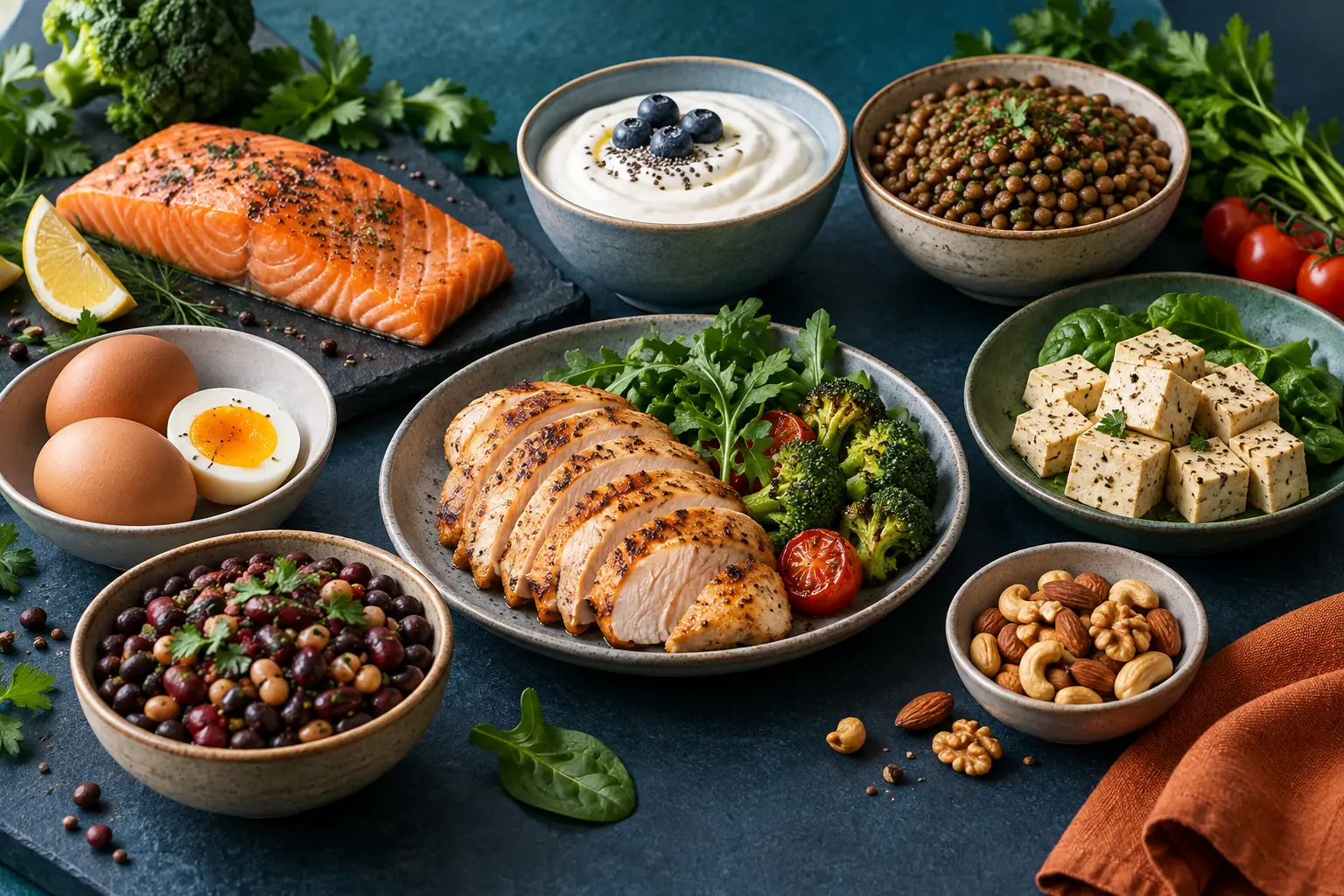
Structure contributes too. Eggs, yogurt, beans, tofu, fish, meat, or a substantial lentil dish usually require more chewing and meal preparation than a sweet drink. Their satiety effect reflects the whole eating occasion, including water, fiber, fat, volume, texture, and expectation.
Long-term evidence is less consistent than acute evidence. People adapt, food choices change, and adherence matters. “Protein is satiating” is a useful hypothesis for a personal meal test—not a guaranteed outcome.

Why the effect differs among people and meals
Run a two-week protein-and-fullness test
- Choose the meal after which hunger returns too quickly.
- Add or substitute one food-based protein source you enjoy and tolerate.
- Keep the comparison fair by watching total portions and energy-dense extras.
- Pair protein with vegetables, fruit, legumes, or whole grains rather than removing fiber.
- Rate hunger before the meal, fullness afterward, and hunger two to four hours later.
- Record later snacking, digestion, cost, preparation time, and training recovery.
If the meal works, repeat it. If fullness does not improve, test food form, volume, fiber, meal timing, or overall intake instead of forcing more grams.
Build protein into ordinary meals
Breakfast options can include eggs with vegetables and whole-grain toast, yogurt with oats and fruit, tofu with vegetables, or beans in a savory meal. Lunch and dinner may use fish, poultry, lean meat, tofu, tempeh, lentils, beans, peas, dairy foods, or combinations that fit cultural and personal preferences.
Plant proteins contribute effectively. Variety across legumes, soy foods, grains, nuts, and seeds provides amino acids plus other nutrients. Some plant foods supply substantial fiber; some animal foods supply nutrients that may be harder to obtain from a restricted diet. A balanced pattern need not become an argument between camps.
Powders can be convenient when food access, appetite, or schedule creates a genuine gap. They are not automatically more filling than meals and should not displace dietary variety by default.
More protein is not always better
Very high intake can crowd out fiber-rich foods, increase saturated fat depending on sources, worsen digestive symptoms, raise cost, and make meals monotonous. Protein cannot replace progressive resistance training for muscle retention, and it cannot compensate for a deficit so severe that recovery and performance deteriorate.
Kidney disease, certain metabolic conditions, pregnancy, frailty, allergies, swallowing problems, and clinician-directed diets require individualized advice. General gram-per-kilogram ranges cannot account for every diagnosis, medication, energy intake, or training goal.
Judge protein by adequacy and function: are meals satisfying, strength supported, digestion comfortable, and the full diet nutritionally varied?
Fullness is useful only if the full plan works
A higher-protein meal can feel filling yet still be energy-dense. Track the foods it displaces and the later eating it changes. If adding protein reduces grazing and supports training while calories remain appropriate, it serves the plan. If it becomes an extra shake plus the usual meal, it may not.
Weight loss still depends on the sustained energy pattern. Protein is a lever for adherence and lean-tissue support, not an independent fat burner. Use weekly average weight, waist, strength, hunger, and diet quality together. Review the whole week rather than crediting one unusually filling meal.
Where Fat Burn Active fits
This is a weak product match because food-based protein and total meal design address the search intent directly; a thermogenic is not a protein substitute. Fat Burn Active is optional. It cannot correct an overly aggressive calorie deficit, replace filling meals, treat emotional eating, or guarantee appetite control or fat loss. Feeling less hungry or more stimulated for a few hours is not proof of meaningful body-fat change.
Once the practical steps in Why Protein Helps Some People Feel Fuller are working, decide whether an optional supplement adds enough value. Start with the Fat Burn Active review; if the formula and limitations are acceptable, see current availability and official ordering details. We may receive a commission.
When hunger needs professional attention
Persistent extreme hunger is not always a dieting problem. Seek qualified medical advice for a sudden unexplained appetite change, excessive thirst or urination, fainting, tremor, rapid unintended weight change, persistent diarrhea, marked weakness, menstrual disruption, or symptoms that began after a medicine change. Diabetes, thyroid disease, pregnancy, sleep disorders, gastrointestinal conditions, mental-health conditions, and some medicines can affect appetite.
Calorie restriction and appetite-focused supplements require individual guidance during pregnancy or breastfeeding, adolescence, frailty, eating-disorder recovery, and with significant cardiovascular, kidney, liver, gastrointestinal, endocrine, or psychiatric disease. Recurrent loss-of-control eating, compensatory restriction, purging, or intense fear around food deserves prompt support from a clinician experienced in eating disorders. This page is educational and cannot diagnose the cause of hunger or prescribe an intake target.
Frequently asked questions
Is protein the most filling nutrient?
It often improves short-term fullness in controlled comparisons, but the whole meal and the individual response matter.
Are shakes as filling as solid food?
Sometimes, but liquids often provide less chewing and sensory exposure. Test the actual product and context.
Does more protein automatically cause fat loss?
No. It may support adherence and lean tissue, while fat loss still depends on the sustained energy pattern.
Practical decision checkpoint
Use protein as part of a complete meal rather than a target that displaces fruit, vegetables, or satisfying carbohydrates. Compare meals by fullness and the ability to repeat them. Resistance training, enough food, and recovery also matter when the goal is to preserve muscle during weight loss.
Sources
- Meta-analysis: Protein intake, appetite and gut hormones
- Meta-analysis: Higher protein and fullness
- Review: Clinical evidence and mechanisms of higher-protein diets
- Dietary Guidelines for Americans
Sources reviewed September 8, 2026. This article is general educational information, not medical advice, diagnosis, or treatment.