
Plant-based is a spectrum, not one diet
A plant-forward omnivorous diet may include small amounts of fish, dairy, eggs, or meat. Vegetarian diets exclude meat but may include eggs and dairy. Vegan diets exclude animal-derived foods. Whole-food plant-based programs additionally limit many refined foods and added oils.
Research on one version cannot automatically prove another. A low-fat vegan intervention differs from a Mediterranean pattern rich in olive oil, and both differ from a menu built around vegan pastries and fried substitutes.
Why weight may fall
Plant-rich meals can have lower energy density and more fiber and water, allowing a larger food volume for a given energy intake. Legumes and intact grains can support fullness. Structured programs also reduce food choices and often eliminate high-energy foods.
These mechanisms do not make energy irrelevant. Nuts, seeds, oils, avocado, coconut products, sweetened drinks, and refined snacks can make a plant-based diet energy dense. Trials show average benefits, not guaranteed loss without portion awareness.
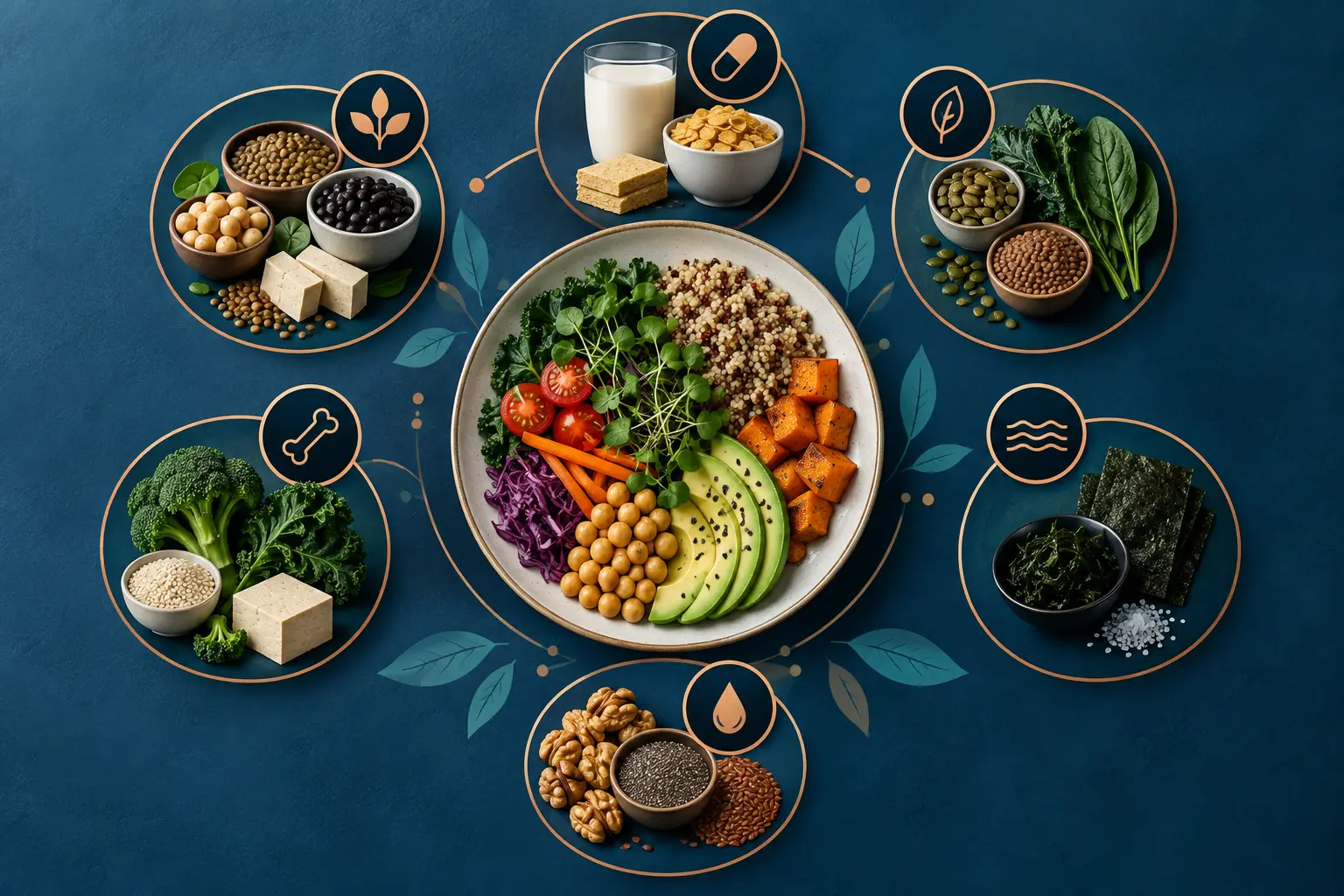
Make protein visible at every main meal
Use beans, lentils, peas, tofu, tempeh, textured vegetable protein, seitan where appropriate, soy yogurt, or other fortified alternatives. Combine them with vegetables and a suitable grain or starchy food. Protein quality and total intake can be adequate with variety and sufficient energy.
Someone dieting aggressively may struggle to fit enough protein without planning. Our comparison of plant and animal protein for fullness separates source from meal context. Powders are optional tools, not prerequisites.
Nutrients that deserve deliberate planning
More supplements are not automatically better. Verify doses, interactions, and laboratory needs with qualified guidance.
A practical plant-forward day
Breakfast might be oats with fortified soy milk, berries, and seeds. Lunch could be lentil soup with whole-grain bread and vegetables. Dinner could use tofu, mixed vegetables, and rice, with fruit or a planned snack as needed. Portions depend on body size, activity, and goal.
Batch-cook one legume, one grain, and a sauce. Frozen vegetables, canned beans, and store-brand fortified foods can lower cost and preparation time. Rinse canned foods when sodium is a concern.
Common plant-based diet traps
Replacing meat with cheese or refined vegan products may not improve energy density or nutrition. Adding nuts, tahini, avocado, and oil to every bowl can erase a deficit. Very bulky, low-protein meals may leave someone hungry, while excessive fiber introduced suddenly can cause discomfort.
Increase legumes and fiber gradually, use adequate fluid when appropriate, and choose tolerable textures. Do not confuse ingredient purity with health or make shared meals a moral test.
Example: improve the meal, not the label
Alex replaces a chicken lunch with a small green salad and becomes hungry an hour later. He concludes plant-based eating cannot work. The real comparison removed the protein and energy anchor. He adds lentils, roasted vegetables, a measured tahini dressing, and whole-grain pita.
The revised meal is larger, nutritionally stronger, and more satisfying. If weight does not trend down, he adjusts dressing or starch portions rather than returning to an inadequate salad.
When personalization matters
Pregnancy, childhood, older age, kidney disease, gastrointestinal disorders, allergies, and an eating-disorder history require individualized planning. Restrictive combinations—vegan plus gluten-free plus very low fat, for example—can make adequacy and social eating much harder.
Monitor symptoms and relevant clinical markers. Unexplained fatigue, neurological symptoms, anemia, or rapid loss should not be celebrated as diet success.
Turn the evidence into a personal rule
Use a gradual transition if the current diet contains few plants. Replace one repeat meal, learn two legume dishes, and confirm a reliable B12 source before removing more foods. This exposes tolerance, cost, and preparation problems early. It also lets the microbiome and digestive system adjust to additional fiber instead of turning bloating from a sudden overhaul into a verdict on all plant foods.
Choose by constraints, not diet identity
Before choosing a label, rank the constraints that decide whether the plan can work: hunger, cooking time, budget, family meals, work schedule, training, gastrointestinal tolerance, medicines, and foods you genuinely enjoy. Then ask which pattern meets those constraints with the fewest rigid rules. A diet that looks ideal in a study can fail when its shopping, preparation, or social burden is too high.
Write three non-negotiables, such as adequate protein, vegetables at two meals, and one flexible family dinner. Add two warning signs, such as worsening binge urges or persistent fatigue. This turns a diet debate into a personal operating plan. Reassess when health, activity, finances, or schedule changes. Changing the plan after new evidence is adaptation, not failure.
Use a four-week diet-pattern scorecard
- Define the pattern. Write what you will eat more often, what you will limit, and how meals will be built.
- Measure the baseline. Record weight averages, waist, hunger, digestion, energy, training, sleep, and relevant clinical markers.
- Change one pattern. Do not add fasting, supplements, and a new exercise program simultaneously.
- Check execution weekly. Include drinks, restaurant meals, weekends, and foods eaten while cooking.
- Judge the whole result. Review adherence, nutrition, symptoms, cost, social fit, and trends—not one scale reading.
- Adjust the smallest useful lever. Change portions, food quality, or structure before making the diet more extreme.
Four weeks can reveal feasibility and early direction, but it cannot settle long-term safety or superiority. Continue only when the pattern remains nutritionally adequate and repeatable.
Where Fat Burn Active fits
Fat Burn Active is optional. It cannot make an unsuitable diet sustainable, replace protein or micronutrients, or create a reliable deficit when portions remain too large. Ingredient studies do not prove the effect of the complete formula, and feeling stimulated is not evidence of body-fat loss.
Treat Fat Burn Active as an optional addition, not a substitute for Plant-Based Diets and Weight Loss. Review its listed ingredients and limitations in our product analysis. If the evidence, warnings, and cost fit your decision, verify the current formula and purchase options. We may earn a commission.
Frequently asked questions
Which diet loses weight fastest?
Early scale changes can differ because glycogen, water, sodium, and food mass change. Sustainable fat loss depends more on the maintained energy gap than a dramatic first week.
Must I count calories?
No, but portions and energy density still matter. A plate method, repeat meals, or measured energy-dense additions can provide structure without continuous logging.
When should I involve a clinician?
Seek individual guidance for diabetes medicines, kidney or liver disease, pregnancy, eating-disorder history, gastrointestinal disease, rapid unexplained change, or significant symptoms.
Can one diet suit everyone in a family?
The shared foods may work, while portions, protein, energy, texture, and medical needs differ. Keep a common meal base and personalize additions.
Sources
- BROAD Plant-Based Diet Randomized Trial
- Low-Fat Vegan Diet Randomized Trial
- Academy of Nutrition and Dietetics: Vegetarian Diets
- NIH ODS: Vitamin B12
Sources reviewed September 15, 2026. This article is general educational information, not medical advice, diagnosis, or treatment.