The label creates a false binary
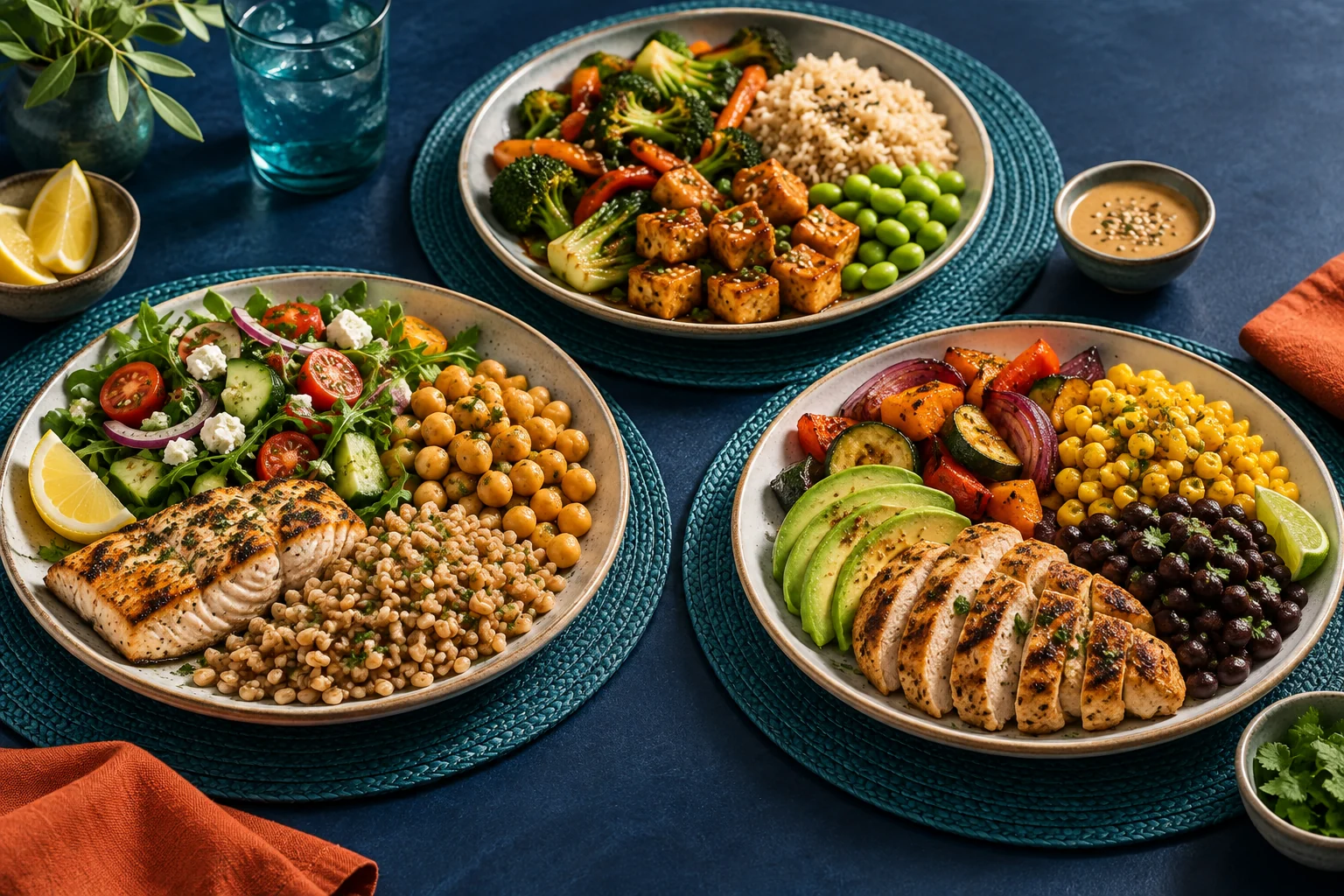
Proteins are often divided into complete foods that supposedly build muscle and incomplete foods that supposedly do not count. In reality, foods contain differing amounts of amino acids. A “limiting” essential amino acid is present in a lower proportion relative to human requirements; it is not necessarily absent.
The body maintains an amino-acid pool, and foods eaten across the day contribute to it. Beans and grains can complement one another without being swallowed in the same bite. A varied plant-based pattern can support dieting and training when total energy and protein are adequate.
The label also ignores the full food. Lentils bring fiber and minerals; salmon brings long-chain omega-3 fats; yogurt brings calcium; nuts bring unsaturated fat and substantial calories. Dieting decisions require the entire nutritional package.
What the terms mean
Examples without rigid categories
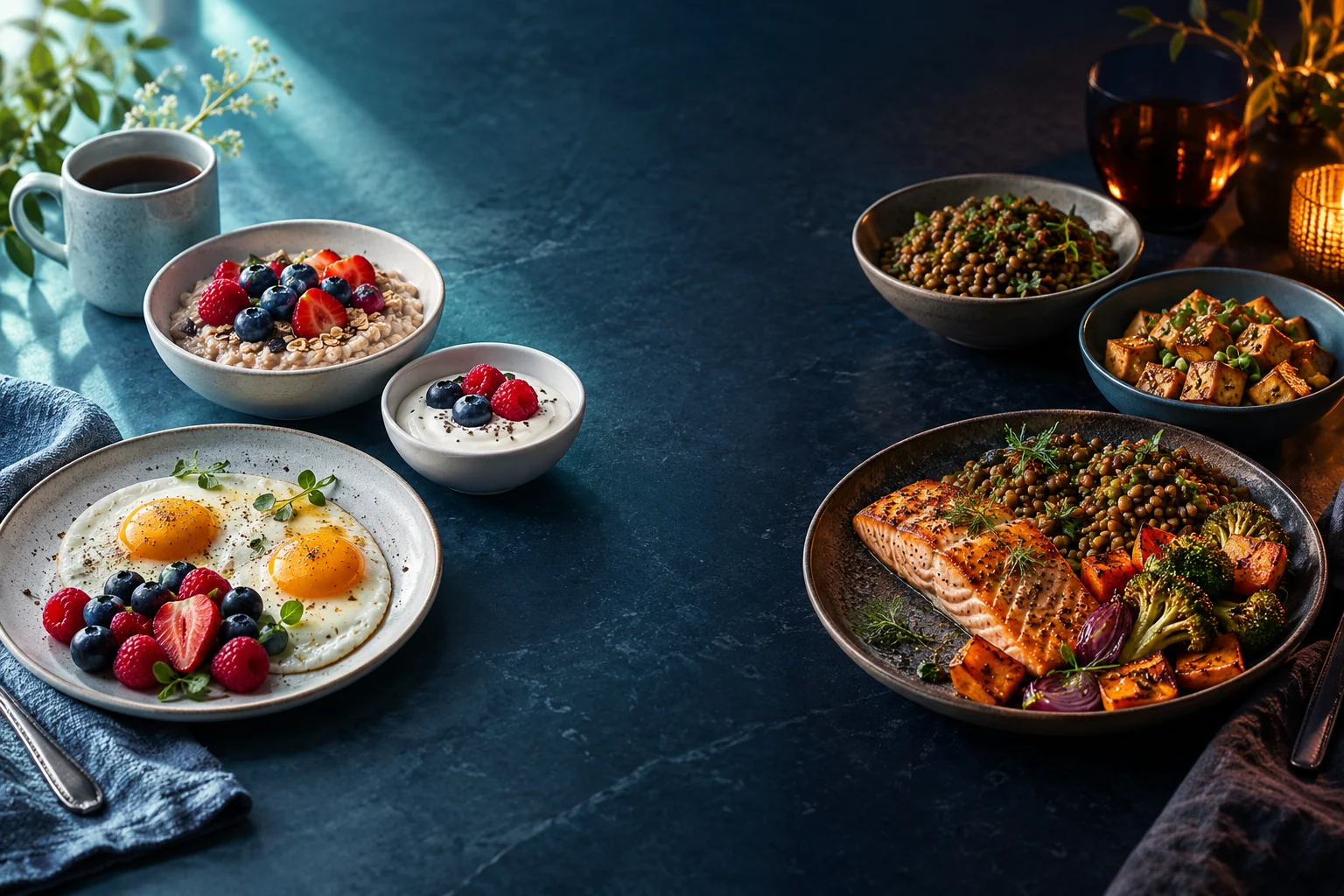
Eggs, dairy, fish, meat, poultry, and soy are commonly described as complete. Quinoa is often included, although its protein density per cooked serving differs from animal foods or soy. Many legumes are relatively lower in methionine, while many grains are relatively lower in lysine. Together, and alongside other foods, they can form an adequate pattern.
Peas, lentils, beans, chickpeas, oats, wheat, rice, nuts, and seeds all count toward daily protein. Their contribution depends on portion and preparation. Vegetables contribute smaller amounts that still belong in the total.
Do not assume “plant based” means low calorie. Nuts, seeds, oils, and some meat alternatives are energy dense. Measure portions according to the weight-loss plan.
Why calorie restriction raises the stakes
When calories fall, there is less room for foods that contribute little protein, fiber, or micronutrition. A varied protein plan helps protect adequacy. People eating vegan diets may benefit from a somewhat more generous total because plant-protein digestibility and amino-acid distribution vary.
Resistance training provides the stimulus for retaining or building muscle. Protein supports that process but cannot replace training or a sensible deficit. Spread substantial sources across meals instead of relying on one enormous dinner.
Older adults, athletes, people with limited appetite, and those using very low energy intakes may need individualized planning. The goal is not to fear incomplete proteins; it is to assemble enough useful food.
Build reliable plant-protein patterns
- Legume plus grain: beans with rice, lentil soup with whole-grain bread, or hummus with pita.
- Soy anchor: tofu or tempeh with vegetables and rice or noodles.
- Mixed bowl: lentils, a whole grain, vegetables, seeds, and measured dressing.
- Distributed day: oats and soy milk, bean lunch, tofu dinner, plus nuts or seeds.
These are convenient patterns, not biochemical requirements for each meal. Rotate foods for nutrition, cost, culture, and enjoyment. If a plan needs a powder, compare protein, calories, sodium, added sugar, allergens, and independent quality testing rather than relying on “complete” marketing.
What protein-quality scores cannot decide
Laboratory scoring systems help compare digestibility and indispensable amino-acid patterns, but they do not rank complete meals for weight loss. They may overlook how mixed diets complement proteins and how food processing, portion, cost, sustainability, and cultural fit influence real intake.
A highly scored isolated protein can be useful, but it does not automatically provide fiber, iron, calcium, essential fats, or greater satiety. Conversely, a lower-scoring food may contribute important nutrition inside a varied diet. Use scores as one piece of evidence, not a moral grade for food.
Check adequacy across the whole day
Instead of pairing every plant protein obsessively, review a three-day pattern. Is there a substantial source at each main meal? Are legumes, soy foods, grains, nuts, and seeds varied? Are vegetables and fruit present? Are vitamin B12, iron, calcium, iodine, zinc, and omega-3 needs addressed where relevant?
This wider audit catches problems that the complete-versus-incomplete label misses. A diet can contain only “complete” proteins and still lack fiber or variety. A plant-based diet can contain many “incomplete” foods and still be well planned. During a calorie deficit, choose portions that provide enough protein without turning nuts, seeds, or rich meat alternatives into invisible calorie additions.
Use a controlled two-week experiment
- Record three ordinary days before changing anything.
- Choose one recurring meal or snack where the question actually matters.
- Change only the protein amount, timing, or format being tested.
- Keep daily calories, activity, and sleep reasonably consistent.
- Rate hunger before the next meal, digestion, satisfaction, training, and convenience.
- Compare weekly average weight and waist, not one scale reading.
Write down what the new choice replaced. If it simply adds calories to an unchanged day, the test cannot show whether protein improved the weight-loss plan. Keep the change only when it solves a practical problem without creating a larger one.
Where Fat Burn Active fits
A thermogenic product does not improve the amino-acid quality of a meal and should never replace protein-rich food.
Fat Burn Active is an optional stimulant-oriented thermogenic supplement. It does not provide dietary protein, replace a meal, correct an amino-acid gap, or override energy balance. A temporary change in alertness, appetite, warmth, sweating, or heart rate does not prove fat loss, and evidence for an isolated ingredient is not proof for the finished formula at the amount sold.
A supplement is not required to benefit from Complete vs Incomplete Protein for Dieting. If your foundations are already in place, use the independent Fat Burn Active review to judge whether the formula has a useful optional role. If it fits your expectations and stimulant tolerance, check current product details and ordering terms. We may receive a commission.
Safety and individual context
Food allergies, celiac disease, phenylketonuria, kidney disease, pregnancy, childhood, frailty, or a highly restricted vegan diet require specialized advice. Introduce legumes gradually if gastrointestinal symptoms are common.
Pregnancy or breastfeeding, adolescence, frailty, eating-disorder recovery, diabetes treatment, and significant kidney, liver, cardiovascular, gastrointestinal, or metabolic disease require individualized advice. Seek care for rapid unintended weight change, swelling, persistent vomiting, fainting, marked weakness, major bowel changes, or symptoms suggesting allergy. Do not change prescribed treatment or use a supplement as a diagnostic test.
Frequently asked questions
Must rice and beans be eaten together?
No. Complementary plant foods can contribute across the day, although eating them together is convenient.
Is plant protein worse for weight loss?
No. Results depend on total protein, calories, food quality, adherence, and the complete diet.
Is collagen complete?
No. It has a limited essential-amino-acid profile and should not be the main protein source.
Sources
- Dietary Reference Intakes for protein and amino acids
- FAO report on dietary protein quality
- Position on vegetarian diets
- USDA FoodData Central
Sources reviewed September 8, 2026. This article is general educational information, not medical advice, diagnosis, or treatment.