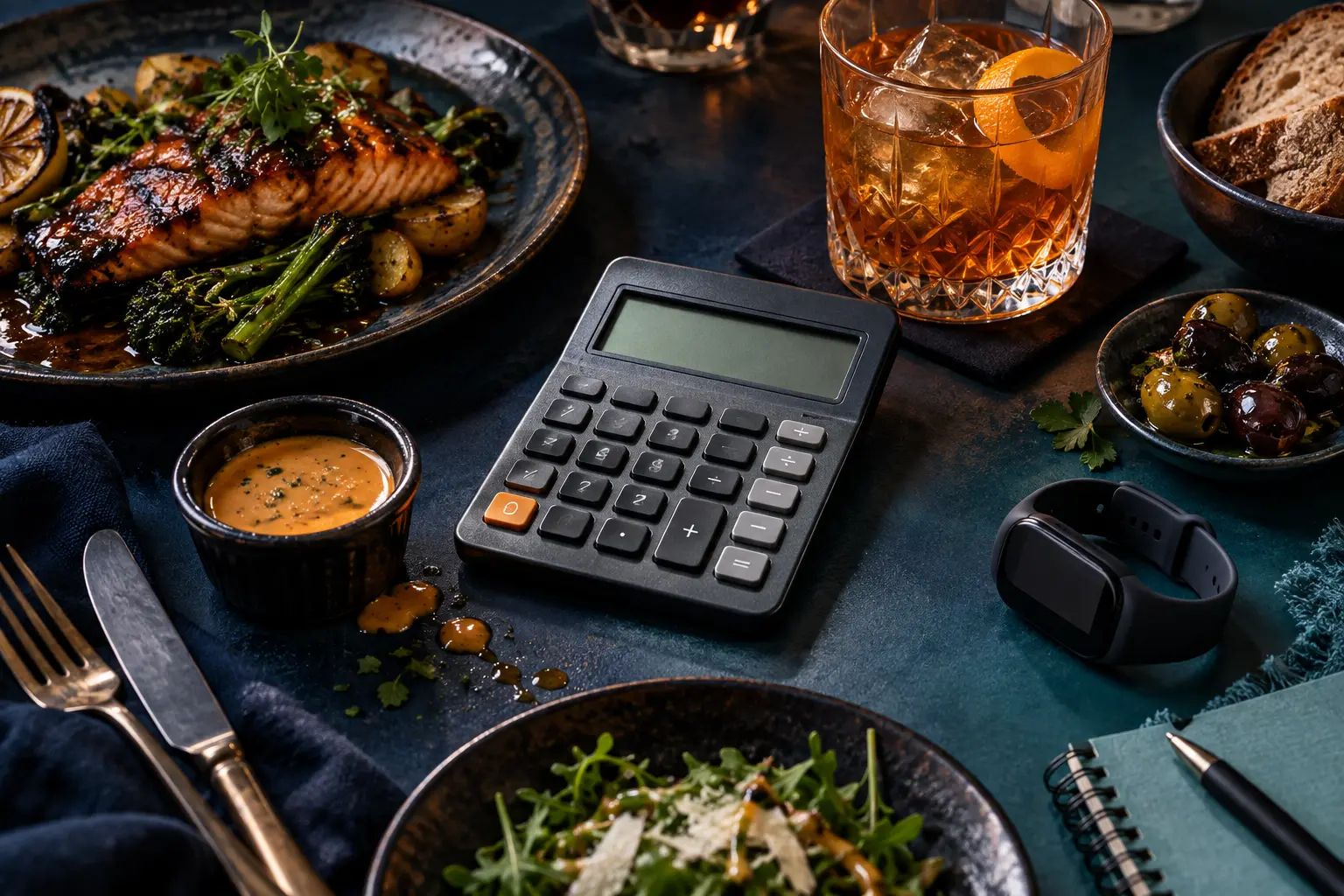
The calculator never measured your maintenance
Equations estimate average energy needs from a limited set of inputs. Two people with the same age, sex, height, and weight may differ in body composition, spontaneous movement, work demands, health, and the accuracy of the activity category they choose. The number is useful, but its apparent precision is misleading.
Maintenance is also a moving range, not a permanent constant. It changes with body weight, movement, training, illness, and adaptation. A plan that created a deficit months ago may now approximate maintenance. Re-running the same equation does not remove uncertainty; observed trends provide the calibration.
The old fixed rule that every 3,500-calorie cumulative deficit produces exactly one pound of loss ignores dynamic changes. NIH researchers developed the Body Weight Planner to model these responses over time. Even a better model remains dependent on the user's inputs and future behavior.
Food intake is easier to miss than to measure
This is not an accusation of dishonesty. Recall is difficult, labels allow tolerances, databases disagree, and people naturally simplify repeated actions. A seven-day audit of the largest energy sources is more useful than guilt.

Exercise calories can create a second error
Watches, cardio machines, and apps estimate expenditure using movement and physiological signals. Accuracy varies by activity, device, and individual. If a person selects a high activity multiplier and then eats back every exercise calorie, the same activity may effectively be counted twice.
Exercise can also produce compensation. Some people become hungrier or move less during the rest of the day. The workout happened, but the net increase in daily expenditure is smaller than the machine displayed. Track completed sessions and steps as behaviors; let the longer weight trend determine how they interact with intake.
Do not respond by treating food as something that must be earned. Exercise supports health, function, and body composition beyond its calorie estimate. The aim is a repeatable plan, not exact matching of every bite and movement.
The deficit may exist while the scale hides it
Water, glycogen, sodium, menstrual-cycle changes, inflammation after training, constipation, and food still being digested can move scale weight. A real tissue trend may be obscured for days or occasionally longer. Comparing isolated readings can therefore produce the wrong verdict.
Use the same scale under similar conditions and compare seven-day averages. Add a standardized waist measure and note unusual restaurant meals, travel, illness, or hard training. If weight is flat but waist and clothing change while training improves, body composition or water may be complicating the scale.
However, water is not an unlimited explanation. If multiple measures remain unchanged across several well-documented weeks, revisit the estimated deficit rather than postponing adjustment indefinitely.
Energy needs change during weight loss
A smaller body generally requires less energy to maintain and move. Beyond that expected change, adaptive responses can reduce expenditure and increase the drive to eat. Non-exercise activity may fall without conscious intent. These effects can shrink the original gap; they do not make fat loss biologically impossible.
Recalculate after meaningful weight change, maintain an attainable movement baseline, and use strength training to protect function. Avoid assigning every plateau to “metabolic damage.” Persistent fatigue, cold intolerance, menstrual changes, or other symptoms deserve medical review because health conditions and medicines can also affect weight and energy.
The correction should match the size of the evidence. A small discrepancy calls for a small, testable change—not a crash diet.
Sleep loss, pain, a new job, seasonal weather, and caregiving can change food choices and spontaneous movement even when formal workouts stay the same. Compare current conditions with those used when the estimate first seemed accurate. A changed environment can explain a changed result without implying permanent metabolic damage.
A seven-day deficit audit
- Confirm scale placement, weighing conditions, and weekly averages.
- Record seven complete days, including drinks, cooking fats, condiments, and weekends.
- Check package serving sizes and reweigh a few energy-dense foods.
- Compare completed activity with the multiplier used by the calculator.
- Note sleep, stress, medicines, illness, cycle phase, and constipation.
- Choose the single largest plausible mismatch and correct it.
- Run the revised plan long enough to observe a trend.
If tracking itself becomes distressing or compulsive, stop the audit and use a meal-structure approach with a registered dietitian or other qualified professional. Record each adjustment and its start date so later results can be traced to a real change instead of memory.
Product context
No supplement can repair an inflated activity estimate, an incomplete food log, or a mistaken interpretation of water-weight changes. Fat Burn Active is optional: it cannot create a targeted result, correct an inaccurate calorie estimate, or replace a repeatable food, activity, sleep, and resistance-training plan. Evidence about one ingredient is not proof that the finished formula produces the same outcome at the sold dose.
Once the practical steps in Why Your Calculated Calorie Deficit May Be Wrong are working, decide whether an optional supplement adds enough value. Start with the Fat Burn Active review; if the formula and limitations are acceptable, see current availability and official ordering details. We may receive a commission.
Safety and when to get help
Calorie targets and exercise plans need individualization during pregnancy or breastfeeding, adolescence, frailty, recovery from illness or surgery, and when someone has diabetes, cardiovascular, kidney, liver, gastrointestinal, endocrine, or eating-disorder concerns. Medicines can affect appetite, fluid balance, glucose, heart rate, and weight. Do not change prescribed treatment to accelerate weight loss.
Stop self-directed restriction and seek qualified care for fainting, chest pain, severe weakness, repeated vomiting, rapidly worsening symptoms, loss-of-control eating, or a persistent unexplained weight change. General web information cannot diagnose a plateau, a reaction, or a medical condition.
Frequently asked questions
How long should I test one change?
Usually several weeks of comparable observations are more informative than a few days, unless symptoms or a clinician-directed plan require earlier action. Keep major variables stable enough to interpret the result.
Does hunger prove the deficit is working?
No. Hunger is a useful experience to manage, but it does not measure energy balance. Meal composition, sleep, stress, routine, and expectations can all affect it.
Should exercise calories be eaten back?
Wearables provide estimates, not a precise food allowance. Avoid automatically matching every displayed calorie; calibrate the whole plan against the longer trend and recovery.
Sources
- NIDDK Body Weight Planner
- Research behind the Body Weight Planner
- Dynamic model of human weight change
- Energy compensation and metabolic adaptation
Sources reviewed September 8, 2026. This article is general educational information, not medical advice, diagnosis, or treatment.