The definition that prevents most buying mistakes
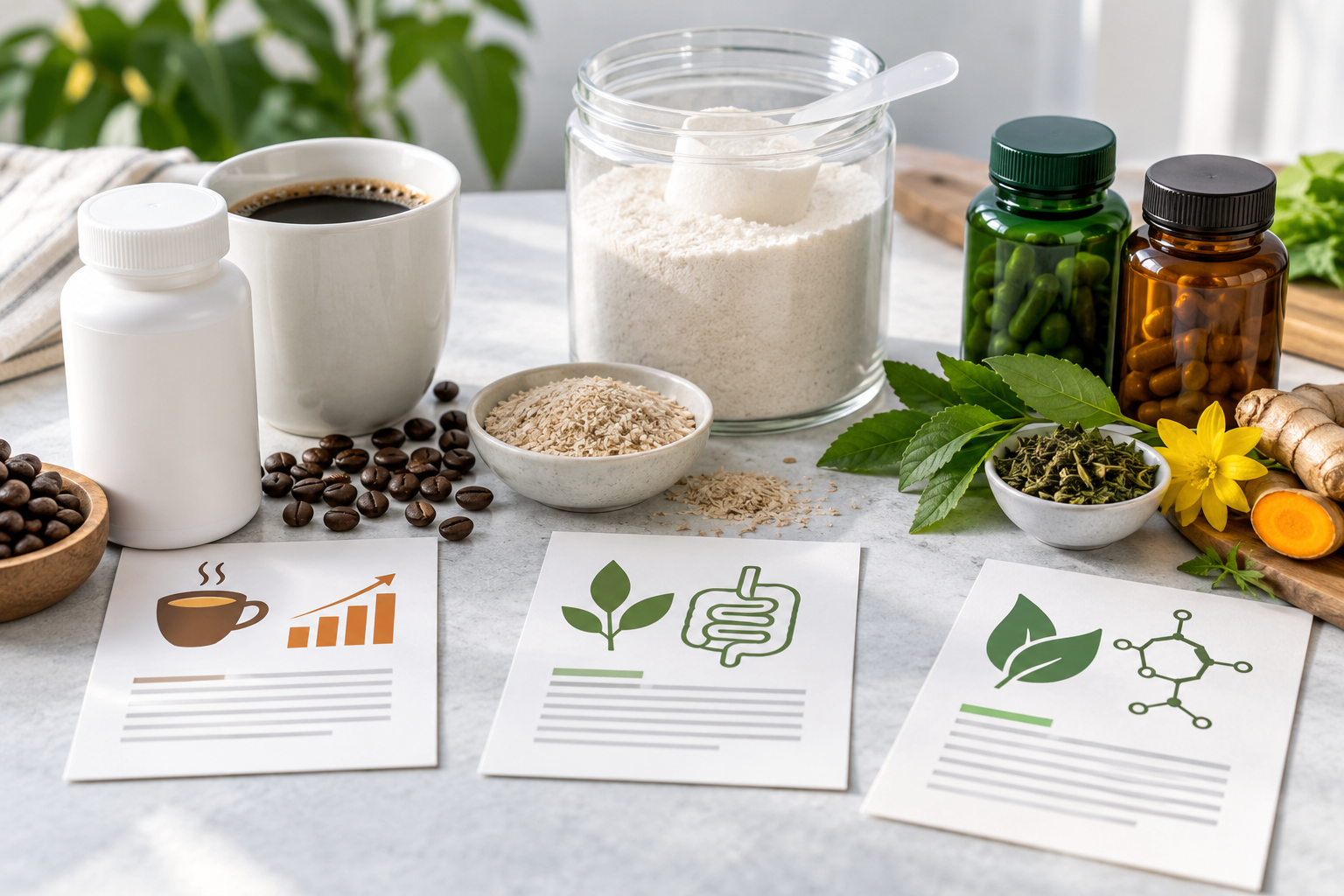
The phrase fat burner can make a bottle sound more precise than it is. In practice, manufacturers use it for many unlike supplements: a high-caffeine capsule, a caffeine-free botanical blend, a fiber product, or a formula combining a dozen ingredients. Two products with the same front-label promise may therefore act differently and carry different risks.
In the United States, dietary supplements are regulated as food rather than approved as medicines before sale. FDA does not approve a supplement for effectiveness before it reaches the market. That distinction matters: packaging, testimonials, and an ingredient with an interesting mechanism do not establish that the branded formula produces clinically meaningful fat loss.
A useful definition is deliberately modest: a fat burner is a supplement marketed as an aid to weight management. Everything beyond that—including mechanism, expected benefit, dose, and safety—must be established from the actual label and relevant evidence.
The main types of fat-burner formula
These categories can overlap. Classify a product from its Supplement Facts panel, not from words such as “natural,” “clean,” “metabolic,” or “advanced” on the front.
What counts as evidence for a fat burner?
Evidence has levels. A cell experiment can suggest a pathway. An acute human study can show that a dose changes heart rate, appetite ratings, or energy expenditure for several hours. A longer randomized trial can ask whether people lose more weight or fat than a comparison group and whether adverse events differ. Those findings answer different questions.
Ingredient evidence is not automatically product evidence. If caffeine has been studied at a stated dose, that does not prove an undisclosed proprietary blend containing caffeine works. The finished formula may use a smaller amount, different extract, additional stimulants, or a population unlike the one studied. Look first for controlled trials of the exact product; when those are absent, describe the conclusion as uncertain.
Also separate statistical change from practical value. A modest average difference may not be noticeable to every person, and averages can hide nonresponders and side effects. Duration, dropout rate, funding, diet instructions, activity support, and comparison group all affect interpretation.
Common ingredients and the questions they raise
Caffeine is among the most recognizable ingredients. It can increase alertness and may raise energy expenditure temporarily, but it can also cause nervousness, insomnia, rapid heartbeat, or gastrointestinal symptoms. Total daily exposure includes coffee, tea, energy drinks, pre-workout products, medicines, and the supplement.
Green tea extracts provide catechins and sometimes caffeine. Results for weight loss are generally modest and inconsistent, and concentrated extracts are not equivalent to drinking brewed tea. Other frequently marketed ingredients include capsaicinoids, green coffee bean extract, carnitine, chromium, soluble fibers, and numerous herbs. NIH's Office of Dietary Supplements notes that evidence is limited for many weight-loss supplement ingredients and that some may interact with medicines or cause harm.
For every ingredient, ask: what exact chemical form is used, how much is present per daily serving, what human outcome was studied, for how long, in whom, and at what cost in adverse effects? A long ingredient list cannot substitute for those answers.
A five-minute label screen before you buy
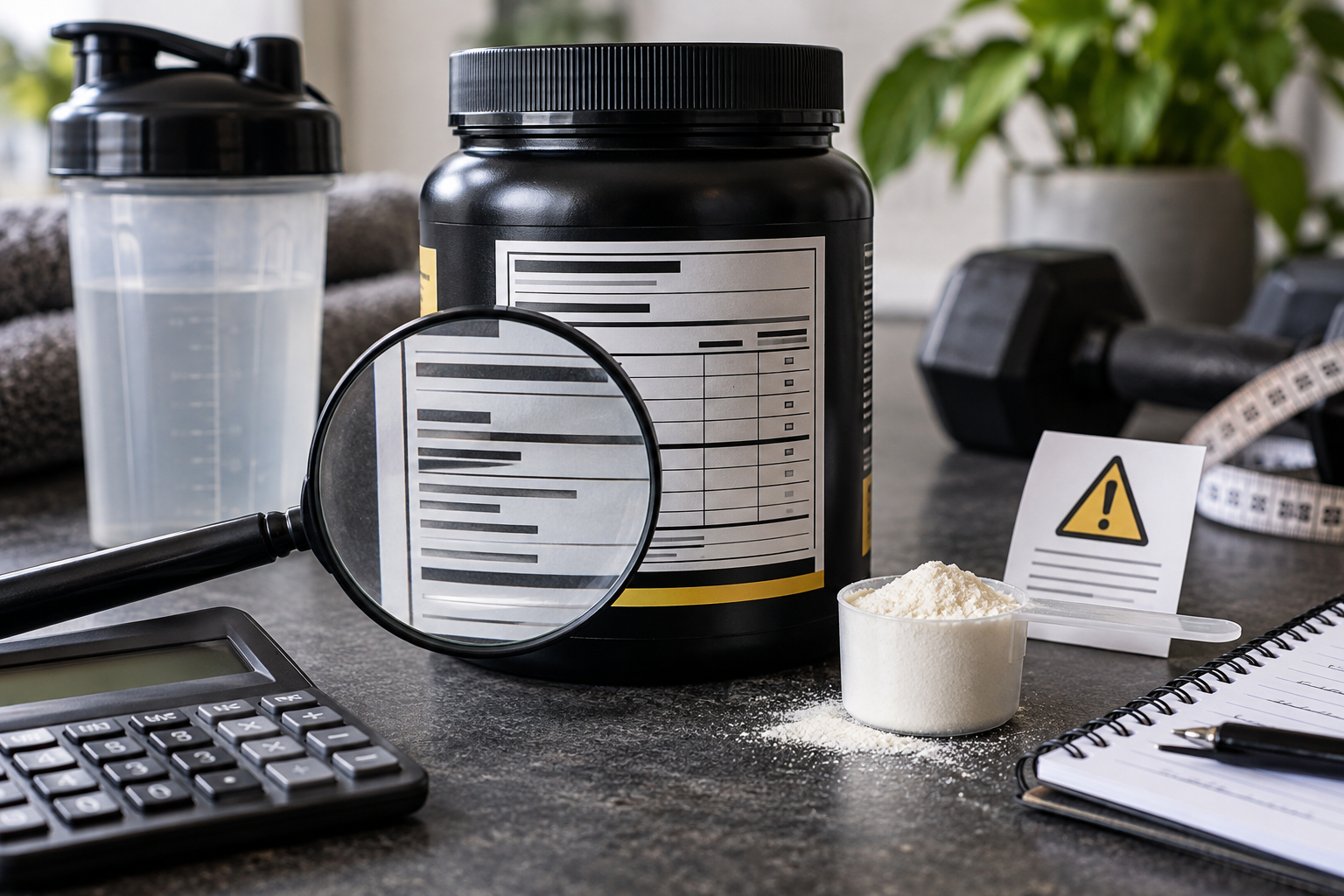
- Find the complete panel. Confirm every active ingredient and amount per serving, not only the front-label highlights.
- Calculate the real daily dose. Multiply by the instructed number of capsules and servings.
- Add all stimulants. Include caffeine from every supplement, drink, food, and medicine used that day.
- Flag proprietary blends. A total blend weight does not reveal whether individual ingredients match studied doses.
- Read warnings and other ingredients. Check allergens, pregnancy warnings, medicine interactions, and serving limits.
- Verify the seller. Review refund terms, recurring billing, contact information, and whether independent quality testing is documented.
A third-party quality seal can support identity and contamination checks, but it does not prove that a product causes fat loss.
Who should be especially cautious?
Talk with a healthcare professional or pharmacist before use if you have heart rhythm problems, high blood pressure, anxiety, glaucoma, liver or kidney disease, diabetes, thyroid disease, an eating-disorder history, or if you take prescription or over-the-counter medicines. Pregnancy and breastfeeding are not situations for casual experimentation with weight-loss supplements. Children and adolescents should not use them without clinician direction.
Stop using a product and seek appropriate care for chest pain, fainting, severe palpitations, breathing difficulty, signs of an allergic reaction, jaundice, dark urine, or severe persistent symptoms. FDA maintains notifications about weight-loss products found with undeclared drug ingredients. A label saying “herbal” does not remove that risk.
Where a supplement can—and cannot—fit
Long-term fat loss still requires an energy gap over time. Food structure, activity, sleep, environment, medical care, and a plan that can be repeated do most of the work. A supplement cannot correct an intake estimate, replace protein and fiber, treat sleep apnea, or make an extreme plan sustainable.
If an adult still wants to consider a product after establishing those foundations, define the job narrowly. Is the goal convenient caffeine before training, support with appetite at a predictable time, or something else? Decide in advance how benefit and side effects will be measured. Do not change diet, training, sleep, and several supplements simultaneously; otherwise neither effectiveness nor harm can be attributed sensibly.
How Fat Burn Active fits this framework
Fat Burn Active belongs in the same evidence hierarchy as any competing product. The correct questions are not whether its name sounds convincing or whether individual ingredients appear in research. Verify the current official label, amounts, serving instructions, warnings, stimulant total, independent testing, and evidence on the finished formula.
Use the What Are Fat Burners? criteria to assess Fat Burn Active rather than relying on a headline claim. Our formula evidence analysis explains the remaining uncertainty. If the product fits your needs, view current availability and ordering terms on the official website. We may earn a commission at no extra cost.
Frequently asked questions
Do fat burners literally burn stored fat?
No. The term is marketing shorthand. Some ingredients may influence processes related to intake or expenditure, but tissue loss depends on the total energy pattern over time.
Are stimulant-free products automatically safer?
No. Removing caffeine may reduce particular stimulant effects, but other ingredients can still cause adverse events, interact with medicines, or lack adequate evidence.
Can a fat burner replace a calorie deficit?
No. A product may attempt to influence one part of the equation, but it cannot remove the need for a sustained energy gap for loss of stored tissue.
What is the single best buying check?
Start with a fully disclosed label. Without exact amounts, you cannot meaningfully compare the formula with research or calculate combined exposure.
Sources
- NIH ODS: Dietary Supplements for Weight Loss
- FDA: Dietary Supplements
- FDA: Weight-Loss Product Notifications
- NIDDK: Treatment for Overweight and Obesity
Sources reviewed September 8, 2026. This article is general educational information, not medical advice, diagnosis, or treatment.