
What actually changes between the two days?
Energy expenditure, planned exercise, desired alertness, meal pattern, and bedtime may differ. The product’s ingredients do not change. A stimulant formula may feel more useful before a planned workout, while the same dose on a quiet rest day may add jitters or interfere with recovery sleep. A non-stimulant ingredient intended for consistent exposure presents a different question, but consistency only makes sense when supported by directions and evidence.
Neither schedule guarantees greater fat loss. Weekly energy balance, training, daily movement, protein, recovery, and adherence dominate. Timing can influence tolerability and behavior; it does not convert an unproven formula into a proven one.
Define the purpose before the schedule
If the goal is workout alertness, evaluate the product more like a stimulant pre-workout: dose, timing, tolerance, and whether other performance ingredients are present. If the goal is appetite management, identify when hunger is problematic and whether a stimulant actually helps without disturbing meals or sleep. If the goal is thermogenesis, ask for the size and duration of the measured effect and whether longer-term outcomes exist.
A single product may be marketed for all three purposes, but evidence for one does not prove the others. Write down one primary purpose; this prevents taking a dose simply because the calendar says so.
Training-day considerations
Count caffeine from coffee, energy drinks, pre-workouts, tea, and the fat burner. Stacking can create an unexpectedly high total. Consider exercise start time, intensity, heat, hydration, cardiovascular symptoms, and whether the formula causes gastrointestinal distress. Caffeine can support some aspects of performance, but the optimal performance dose is not automatically the appropriate dose for a weight-management product.
Do not use stimulation to push through illness, severe fatigue, dizziness, or inadequate recovery. A harder-feeling session is not proof of more fat loss. Record sleep after evening sessions; a workout benefit can be offset by delayed or fragmented sleep.
Rest-day considerations
Rest days support adaptation and do not mean complete inactivity. Walking, normal tasks, food choices, and sleep still influence energy balance. If a product is mainly valued for workout stimulation, skipping it may reduce unnecessary exposure and slow tolerance. If its directions specify daily use, evaluate why, whether the finished formula was actually studied that way, and whether the tradeoff remains favorable.
Do not take extra capsules on the next training day after skipping a rest-day dose. Missed doses are not a deficit to repay. Follow label limits and keep caffeine totals visible.
Sleep is the schedule gatekeeper
Caffeine’s effects can persist for hours and vary widely by genetics, habitual use, medicines, pregnancy, and liver function. A fixed “six-hour rule” is not universally protective. If sleep onset, duration, or quality worsens, move the dose earlier, reduce other caffeine, use fewer days, or stop.
Sleep loss can impair appetite regulation, mood, training quality, and adherence. Therefore a small acute thermogenic effect is not automatically a net benefit. Rest-day recovery is particularly poor justification for a late dose that damages the following night.
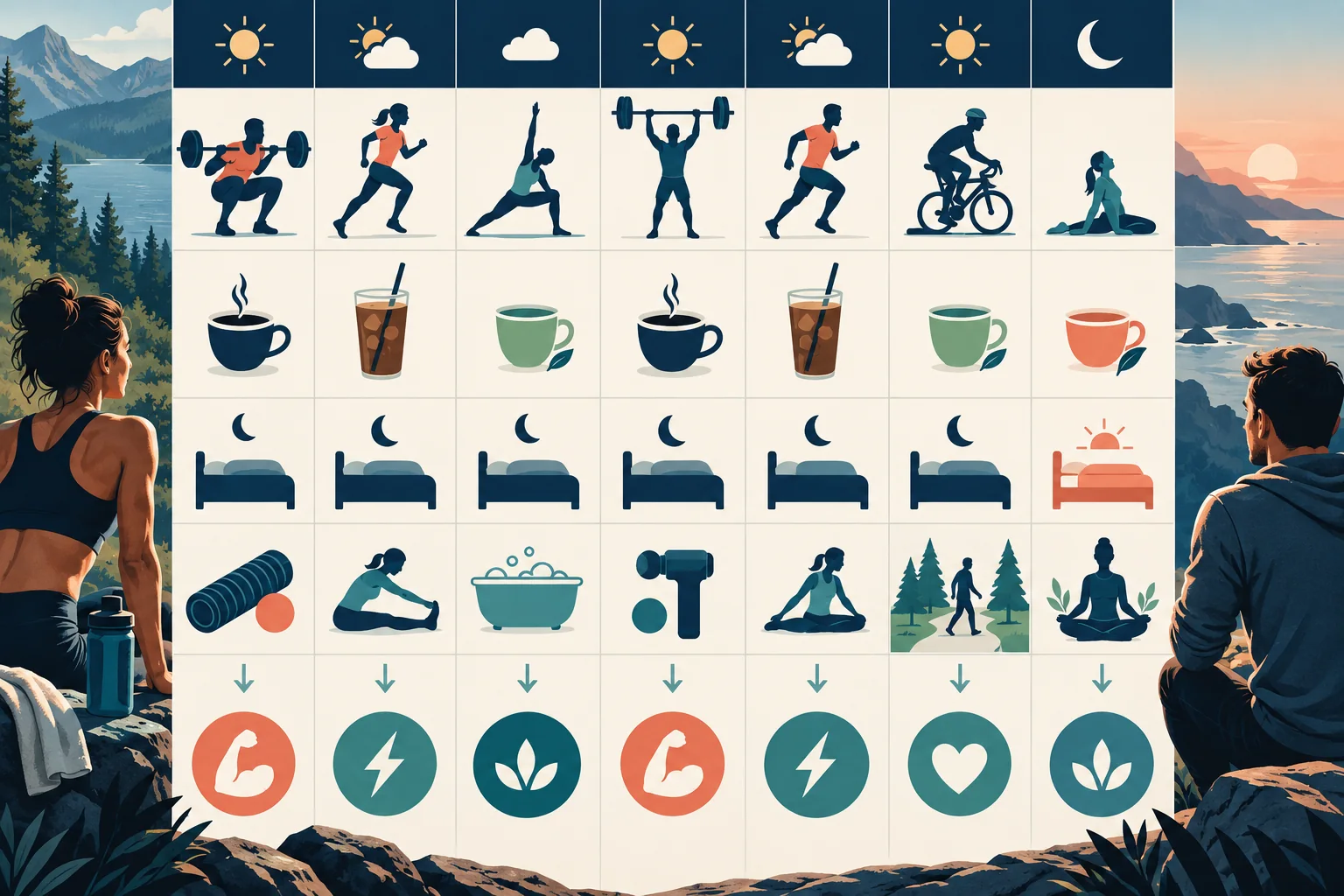
A weekly decision matrix
For each day, list workout time, bedtime, total caffeine, main purpose, previous-night sleep, and any symptoms. Training day: consider a dose only if it fits the label, purpose, caffeine limit, and sleep window. Rest day: require a clear reason beyond habit. Recovery-poor day: prioritize sleep and clinical caution, not escalation.
Review the week, not one energetic afternoon. Track body-weight trend, waist, food adherence, training performance, sleep, resting heart rate if normally monitored, and adverse effects. Stop if the product worsens the variables that make weight management sustainable.
Tolerance, cycling, and “off days”
Regular caffeine exposure can reduce some perceived effects. That does not justify increasing the dose above the label. Planned lower-caffeine days may help some users assess dependence and sleep, but evidence does not establish a universal fat-burner cycling protocol. Withdrawal headache or fatigue can also complicate abrupt changes.
If you need escalating doses to feel the product, revisit the purpose. Sensation is not the outcome. A clinician can help when caffeine use, headaches, anxiety, palpitations, blood pressure, or sleep becomes difficult to manage.
Applying the comparison to Fat Burn Active
The official Fat Burn Active listing includes several caffeine sources and stimulating botanical ingredients. That makes total daily stimulant exposure and timing central to the decision. It does not mean the product should automatically be reserved for training days or taken every rest day; verify the current directions and assess your individual schedule and tolerance.
Our product review separates the listed formula from proof of the finished product. If you already use coffee or pre-workout, add every source before considering it. If the disclosed total or capsule-level dose is unclear, seek clarification rather than estimating.
Simple rules for a safer choice
Never exceed directions, combine stimulant products casually, or take a late dose to “make up” for a missed one. Avoid use when pregnant or breastfeeding, under 18, sensitive to stimulants, or advised against it due to cardiovascular, anxiety, sleep, liver, or medication concerns. Seek medical help for severe or persistent symptoms.
On training days, the dose must serve a defined purpose without harming sleep. On rest days, it must have a reason stronger than routine. On every day, the supplement remains optional; diet, training, movement, and recovery are the program.
What to record before making a purchase
Save a dated photo of the complete label and write down the daily serving, every active dose, total caffeine, warnings, price per day, and the outcome you expect. Note which claim is supported by research on the finished product, which relies only on an ingredient study, and which remains marketing language. This short record prevents a redesigned product page or changed formula from altering your memory of the decision. Compare the same fields across alternatives; package size and front-label serving language can otherwise make a more expensive or less transparent option appear equivalent.
Set a review date and define success in advance using a weight trend, waist measure, appetite pattern, training metric, or another relevant outcome. Keep diet, activity, and measurement conditions reasonably consistent. Record sleep and adverse effects as outcomes too. If the benefit is not noticeable or the tradeoff is unfavorable, stopping is a valid decision. Do not increase the serving to rescue an unsupported promise, and report significant reactions to a healthcare professional and the appropriate regulator.
If the checklist above still points toward a thermogenic supplement, compare our independent Fat Burn Active review. Then, only if the formula fits your health context and priorities, verify the current official label, directions, warnings, and purchase options. We may receive a commission at no additional cost.
Frequently asked questions
Do fat burners work only on workout days?
No. Ingredients do not require a workout to be absorbed, but that does not prove meaningful fat loss on either schedule.
Should I take a rest-day dose for consistency?
Only if the label, evidence, safety context, and your purpose support daily use. Consistency is not automatically beneficial.
Can I combine one with pre-workout?
This can stack caffeine and other stimulants. Compare every active and seek professional advice when uncertain.
What if I train at night?
A stimulant formula may conflict with sleep. Earlier timing, a non-stimulant option, or no supplement may be more appropriate.
Sources
- ISSN Position Stand: Caffeine and Exercise
- FDA: Spilling the Beans on Caffeine
- NIH ODS: Weight-Loss Supplements
- PubMed Central: Caffeine and Sleep Review
- NCCIH: Using Dietary Supplements Wisely
Sources reviewed September 18, 2026. This article provides general educational information and does not replace medical advice.