Educational guidance only; persistent symptoms deserve individualized healthcare advice.
Why bedtime can feel like a second work shift
A late email, bright screen and last cup of coffee may keep the mind engaged when you want to sleep. Trying to force sleep at the final minute rarely changes the conditions that preceded it. NHLBI advises keeping the hour before bed quiet and avoiding bright artificial light and intense exercise at that time. That guidance is about making sleep easier, not guaranteeing a perfect night or an exact weight change.
Move caffeine earlier before buying a sleep hack
Caffeine occurs in coffee, tea, energy drinks and some weight-loss products. NHLBI says its effects may last up to eight hours, although sensitivity varies. If falling asleep is difficult, note all sources and try an earlier last serving. Do not change prescribed medicines without clinical advice. A coffee at breakfast and an energy drink late afternoon are not equivalent for your evening.
If you use a supplement with stimulants, inspect its label and timing. The caffeine guide covers how amounts add up. Replacing late caffeine with a quiet break may address the immediate problem more directly than another product.
Change light and screen content together
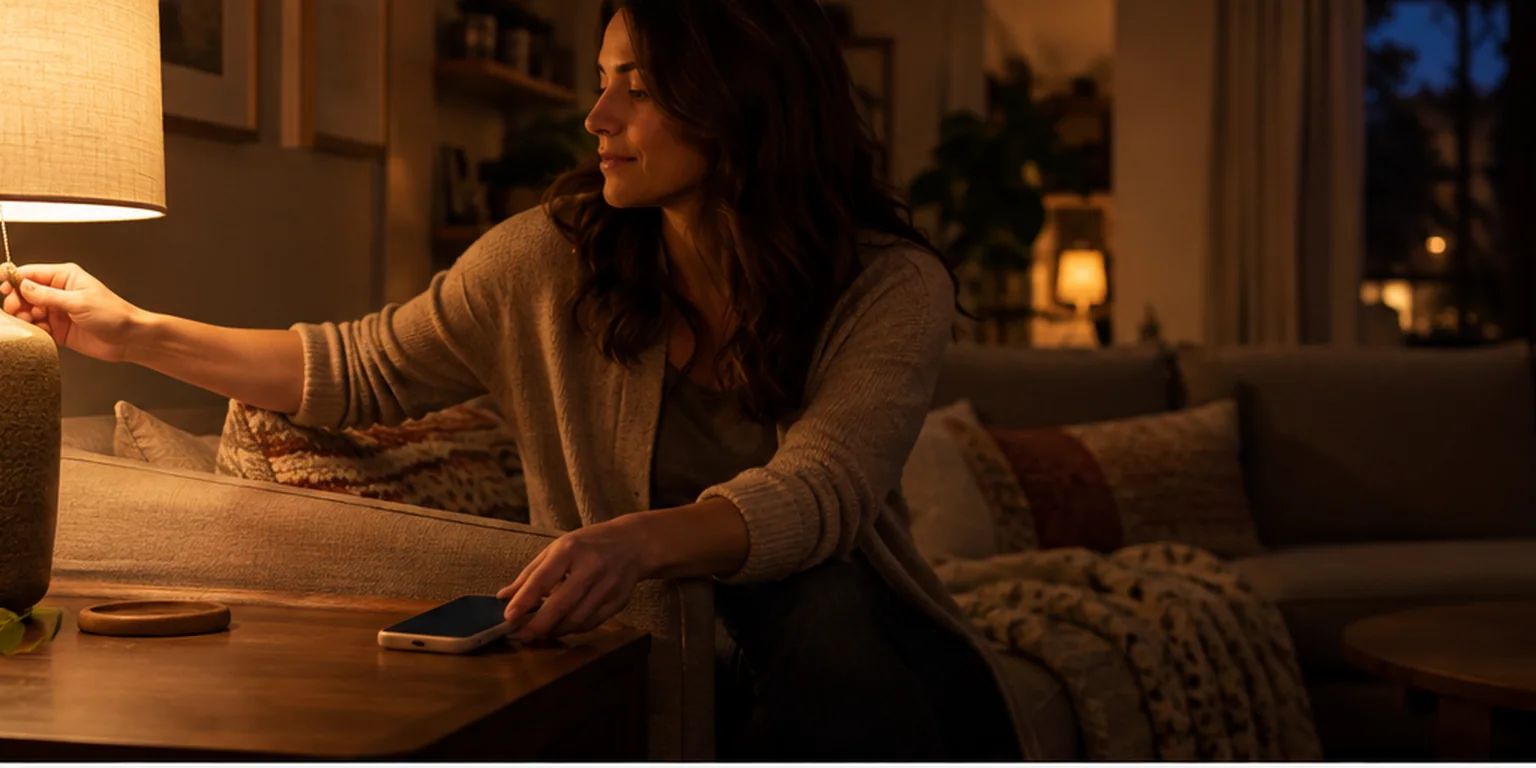
Bright light in the evening can shift sleep timing, and a phone full of stressful messages adds mental engagement. Dim lights when practical and put stimulating tasks away before bed. If you need a device for family or work, turn off unnecessary notifications, lower brightness and choose a calmer activity. You do not need to declare all screens forbidden to make a meaningful adjustment. The screen-time article explains the broader mechanism.
Keep safety in mind: enough light to move around without falls matters more than an absolutely dark hallway. The goal is an environment that signals an end to demanding activity.
Create a short closing sequence
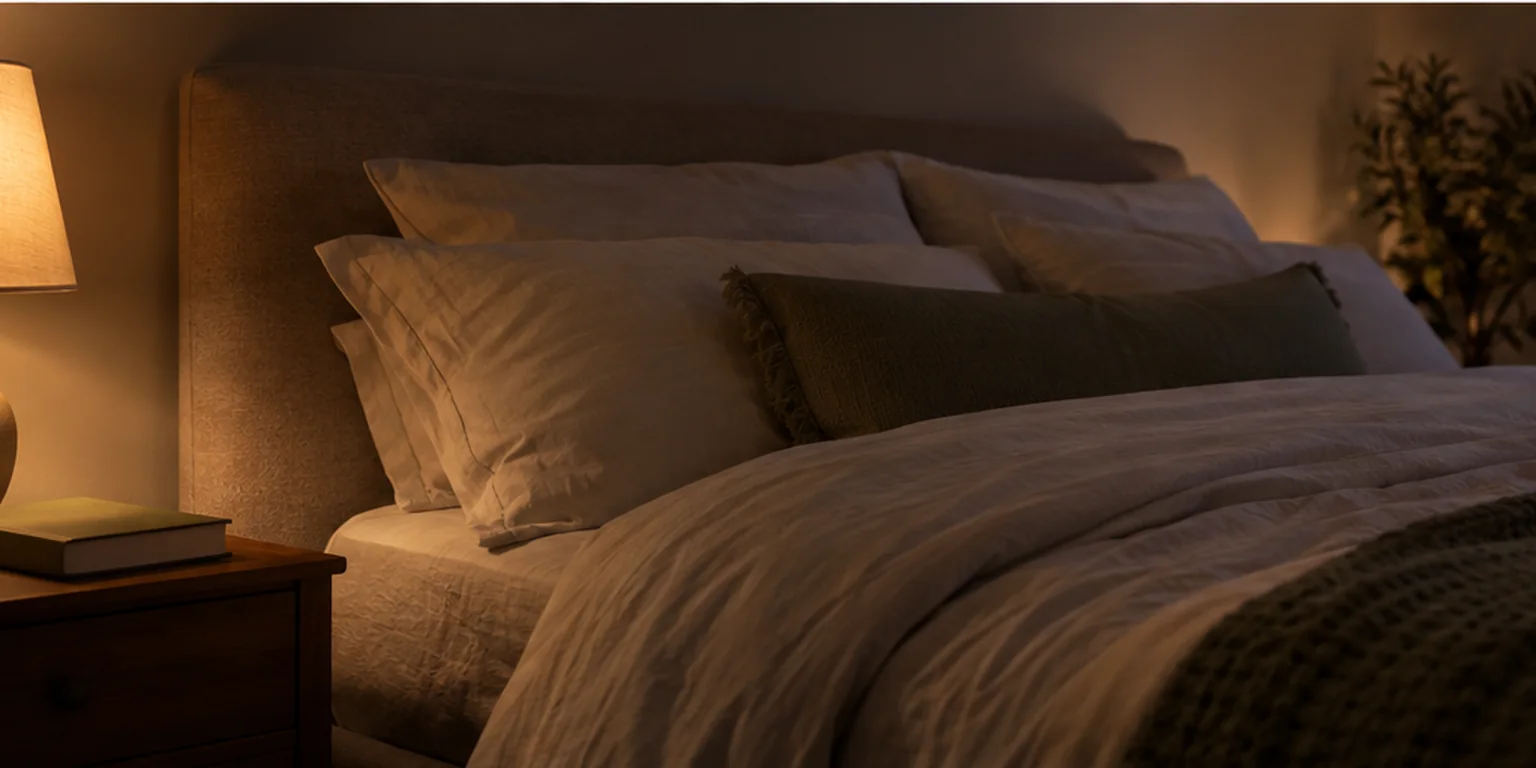
Choose two or three actions in a repeatable order. For instance: close work applications, prepare tomorrow’s essentials and read a few pages under comfortable light. Or take a warm bath and then head to a cool, quiet room. NHLBI recommends a regular sleep schedule and a bedroom that is dark, quiet and cool. If children, shifts or shared space make the ideal impossible, use the smallest version you control.
Do not turn the routine into a performance test. If you miss one step, go to bed anyway. Consistency is helpful, but watching the clock and chasing a perfect sleep score can increase frustration.
Respect exercise, meals and real life
Regular physical activity supports health and sleep, but vigorous exercise right before bed may keep some people alert. See whether timing actually affects you rather than imposing a universal ban. Large late meals and alcohol may also disturb sleep, according to CDC guidance. If you are genuinely hungry, a suitable snack can be more sensible than lying awake to satisfy a rigid rule.
The late training guide addresses workouts specifically. Shift workers may need a different light schedule; clinical guidance can help when routine advice does not fit.
Review after a week, then simplify
Pick one measure that matters: feeling more rested, getting to sleep with less frustration or waking at a more workable time. Try the changes for a week while noticing exceptions. Do not attribute every good night to a lamp or every bad night to a screen. Stress, noise, illness and schedules also change sleep. If the plan creates more anxiety, simplify it.
Persistent insomnia, loud snoring, gasping or significant daytime sleepiness should prompt healthcare advice. A wind-down routine is supportive, not a substitute for evaluation of a sleep disorder.
Do not trade sleep for a fat-loss promise
Sleep and weight management intersect, but a calmer evening does not guarantee a calorie deficit. NIH ODS notes limited evidence and possible risks for many weight-loss supplements. Adding a stimulant late in the day to chase an energy or fat-burning claim could work against the sleep routine you are building. Review the full ingredient list and timing before any supplement decision.
If independently comparing Fat Burn Active, use the full product review. Tonight, choose one cue to make the final hour less demanding. Evaluate whether it improves your experience before adding more rules or purchases.
A routine for a messy evening
Consider an evening when work runs late and a family member needs help. A rigid 60-minute routine is unlikely to survive. A five-minute version can: close the work chat, move the phone away from the pillow and dim the brightest light as you prepare for bed. If tomorrow's tasks are racing through your mind, write down the first one so you can stop rehearsing it. On an easier evening you can add reading or a bath, but those are options, not prerequisites. On a night shift, the sequence may take place in the morning after work; light exposure and sleep opportunity should fit that schedule rather than a standard clock time. If you share a room, talk through what lighting and noise changes are realistic for both people.
When you review the experiment, ask whether you actually fell asleep more comfortably and whether you had enough time in bed. Turning off screens early while still waking after five hours for work will not solve the missing sleep opportunity. Similarly, a new lamp cannot treat breathing interruptions during sleep. Separate the environmental change from the medical question. If you wake repeatedly or feel unsafe driving because of sleepiness, ask for care. In ordinary circumstances, the smallest repeatable change is often the best one: fewer late messages, an earlier final coffee, or a quieter final task. You can add a second change later if the first feels worthwhile. No wearable score is required to make that decision. If the first change does not help, reconsider the timing or another obstacle. Keep the final hour flexible enough for ordinary family life, and avoid adding a rule that makes bedtime feel like another demanding appointment. A calmer evening should be easier to live with.
Choose a useful next step
Check the current package, ingredients, serving directions, your other caffeine sources, and relevant health conditions. For an evidence-based starting point, read the full Fat Burn Active review. If this product still fits your circumstances, you can inspect its current offer. We may earn a commission if you buy through that link. Choosing no supplement is equally reasonable when the evidence or safety questions do not support a purchase.
Frequently asked questions
Must I ban every screen?
No. Reduce bright light and demanding content in a way you can sustain.
Can caffeine affect sleep if I feel fine after it?
Yes. Sensitivity varies; moving the last serving earlier is a reasonable experiment.
Will a bedtime routine cause weight loss?
No. It may support sleep but cannot guarantee changes in body weight.
Practical decision checkpoint
Choose a cutoff for caffeine and screens that fits the actual bedtime, then move one cue earlier for a week. Note whether sleep becomes easier without making the evening routine so strict it collapses after one late shift. Recheck stimulant supplements and energy drinks in the same log.
Sources
- NHLBI: Healthy Sleep Habits
- NHLBI: Good-Quality Sleep
- CDC: About Sleep
- CDC NIOSH: Evening Light
- FDA: Caffeine Sources
- NIH ODS: Weight-Loss Supplements
Reviewed against the sources listed above. Educational information only; not medical advice.