
A shake and a meal are different experiences
A scoop may deliver protein efficiently, yet liquid can be consumed in a minute and provide little chewing or volume. A meal containing yogurt, eggs, fish, poultry, tofu, beans, vegetables, or fruit supplies more sensory exposure and can occupy more stomach volume. That often matters for satiety.
But “whole food always wins” is also too simple. A large restaurant protein meal can contain far more calories than a measured shake. Someone with no appetite after training may tolerate whey better. Convenience can prevent a later vending-machine choice.
Compare realistic alternatives for the same job. A shake replacing a sugary drink is different from a shake added after breakfast.
Compare the full package
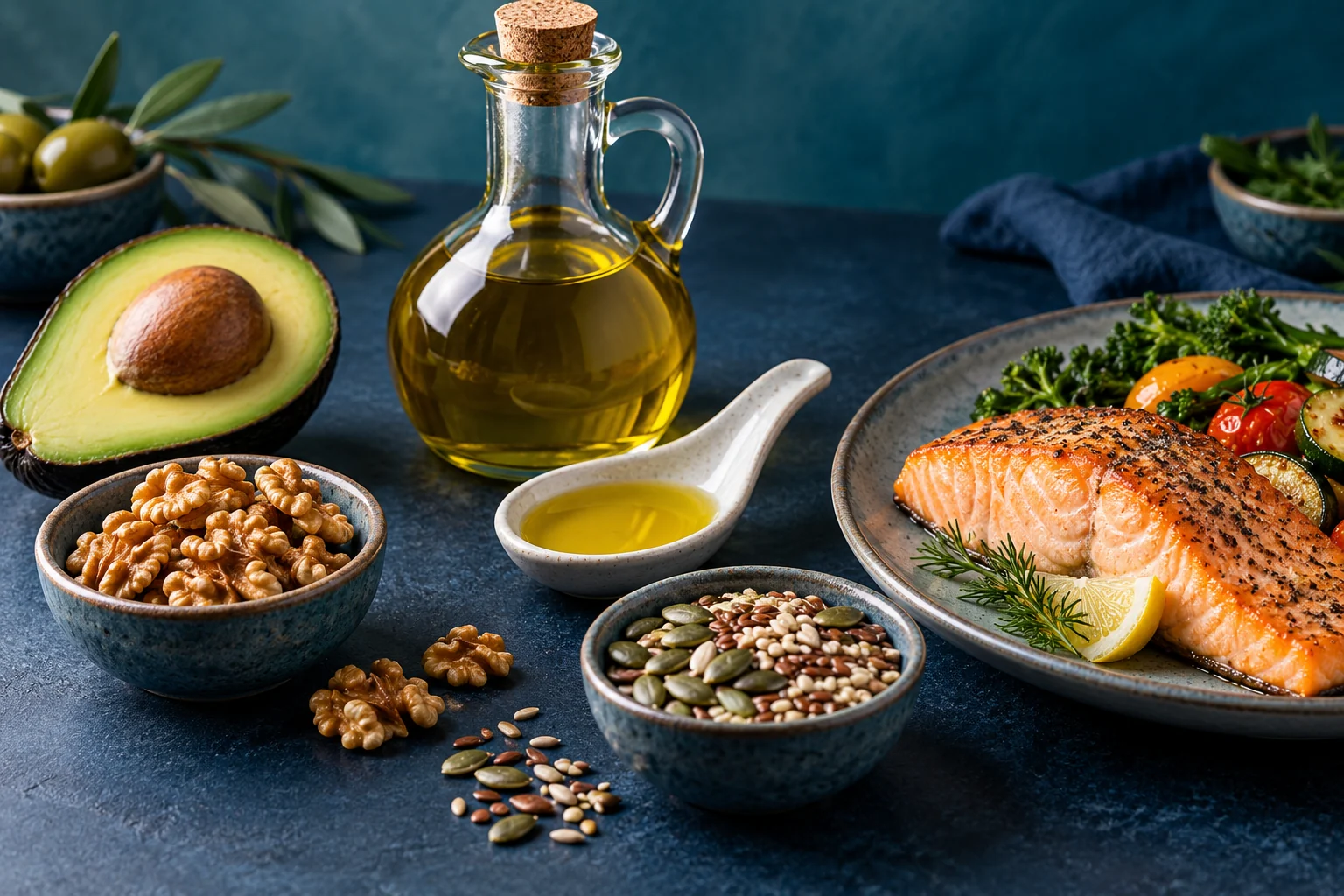
What may influence fullness
Protein can affect appetite-related gut and brain signaling, and whey is rich in essential amino acids. Acute trials sometimes find differences between protein types, but dose, preload format, timing, participant, and the later test meal influence results. A short-term hormone change is not guaranteed long-term weight loss.
Food form matters. Liquids generally require less oral processing and can be consumed faster than solids. Viscosity matters too: a thick yogurt-and-fruit bowl differs from whey mixed with water. Fiber, fat, temperature, flavor, and expected satisfaction influence the response.
The most relevant outcome is whether the choice reduces later intake without causing compensation.
When whey is useful
Whey can help during travel, at work without food storage, after training when a meal is delayed, or when an appropriate protein target is difficult to reach. Mix it with water or milk according to the calorie budget. Fruit, oats, yogurt, or nut butter can make a smoothie more meal-like, but each addition changes energy and satiety.
Choose a product with a clear serving size and ingredient list. Whey concentrate may contain more lactose than isolate. Flavorings and sweeteners can affect tolerance. Third-party certification can reduce identity or contamination uncertainty, especially for tested athletes, but it does not prove weight-loss efficacy.
Do not dry-scoop powder or treat multiple servings as a shortcut to better results.
When food is stronger
Use food when the eating occasion is a meal and you need durable satisfaction. Combine a protein anchor with vegetables or fruit, a fiber-rich carbohydrate when suitable, and a measured fat. This creates volume, chewing, variety, and broader nutrition.
A practical snack could be yogurt and berries, eggs and fruit, cottage cheese and vegetables, or roasted chickpeas. Calorie needs differ, so “healthy” additions still need proportion. Nuts and cheese can raise energy quickly.
Food also teaches repeatable meal skills. If every protein serving depends on powder, travel, supply, taste fatigue, or cost can destabilize the plan.
Run an equal-protein satiety comparison
Select a recurring snack or meal where either option could work. Match protein and calories as closely as practical. Use whey on three comparable days and food on three others. Eat or drink at a similar time and rate fullness immediately, after two hours, and before the next meal.
Record later snacking, total intake, digestion, enjoyment, cost, and convenience. The winner may differ by situation: whey can win at work while food wins at dinner. Build a toolkit rather than declaring a universal champion. If neither controls hunger, inspect the complete meal, sleep, deficit size, stress, and eating speed.
Read whey labels for the decision you face
Compare protein and calories per actual serving, not per scoop if the scoop size differs. Check added sugars, fat, sodium, sweeteners, thickeners, caffeine, and allergens. “Isolate” generally means a more concentrated protein with less lactose, while “concentrate” can be suitable and less expensive for people who tolerate it.
Look for independent certification when contamination or sport eligibility matters, but remember what it can and cannot prove. Verification may support identity and purity; it does not show superior satiety or fat loss. Calculate cost per useful serving and include the milk, fruit, oats, nut butter, or other additions. The finished drink—not the powder alone—is the real comparison.
Use a controlled two-week experiment
- Record three ordinary days before changing anything.
- Choose one recurring meal or snack where the question actually matters.
- Change only the protein amount, timing, or format being tested.
- Keep daily calories, activity, and sleep reasonably consistent.
- Rate hunger before the next meal, digestion, satisfaction, training, and convenience.
- Compare weekly average weight and waist, not one scale reading.
Write down what the new choice replaced. If it simply adds calories to an unchanged day, the test cannot show whether protein improved the weight-loss plan. Keep the change only when it solves a practical problem without creating a larger one.
Where Fat Burn Active fits
Whey and food directly answer this intent; a thermogenic is a separate optional category and should not replace either.
Fat Burn Active is an optional stimulant-oriented thermogenic supplement. It does not provide dietary protein, replace a meal, correct an amino-acid gap, or override energy balance. A temporary change in alertness, appetite, warmth, sweating, or heart rate does not prove fat loss, and evidence for an isolated ingredient is not proof for the finished formula at the amount sold.
A supplement is not required to benefit from Whey Protein vs Food for Satiety. If your foundations are already in place, use the independent Fat Burn Active review to judge whether the formula has a useful optional role. If it fits your expectations and stimulant tolerance, check current product details and ordering terms. We may receive a commission.
Safety and individual context
Avoid whey with milk-protein allergy. Lactose intolerance may affect tolerance depending on the product. Kidney disease, a prescribed protein restriction, pregnancy, or supplement-drug concerns warrant qualified advice.
Pregnancy or breastfeeding, adolescence, frailty, eating-disorder recovery, diabetes treatment, and significant kidney, liver, cardiovascular, gastrointestinal, or metabolic disease require individualized advice. Seek care for rapid unintended weight change, swelling, persistent vomiting, fainting, marked weakness, major bowel changes, or symptoms suggesting allergy. Do not change prescribed treatment or use a supplement as a diagnostic test.
Frequently asked questions
Does whey keep you full?
It can, but response varies. A solid mixed meal often provides more chewing, volume, and broader nutrition.
Is whey necessary for weight loss?
No. It is a convenient food product, not a fat-loss requirement.
Can whey replace breakfast?
A plain shake may be nutritionally incomplete. Consider total calories, fiber, produce, fats, and personal needs.
Sources
- Review of protein and satiety
- Dietary Guidelines for Americans
- ISSN position stand on protein and exercise
- FDA information on dietary supplements
Sources reviewed September 8, 2026. This article is general educational information, not medical advice, diagnosis, or treatment.