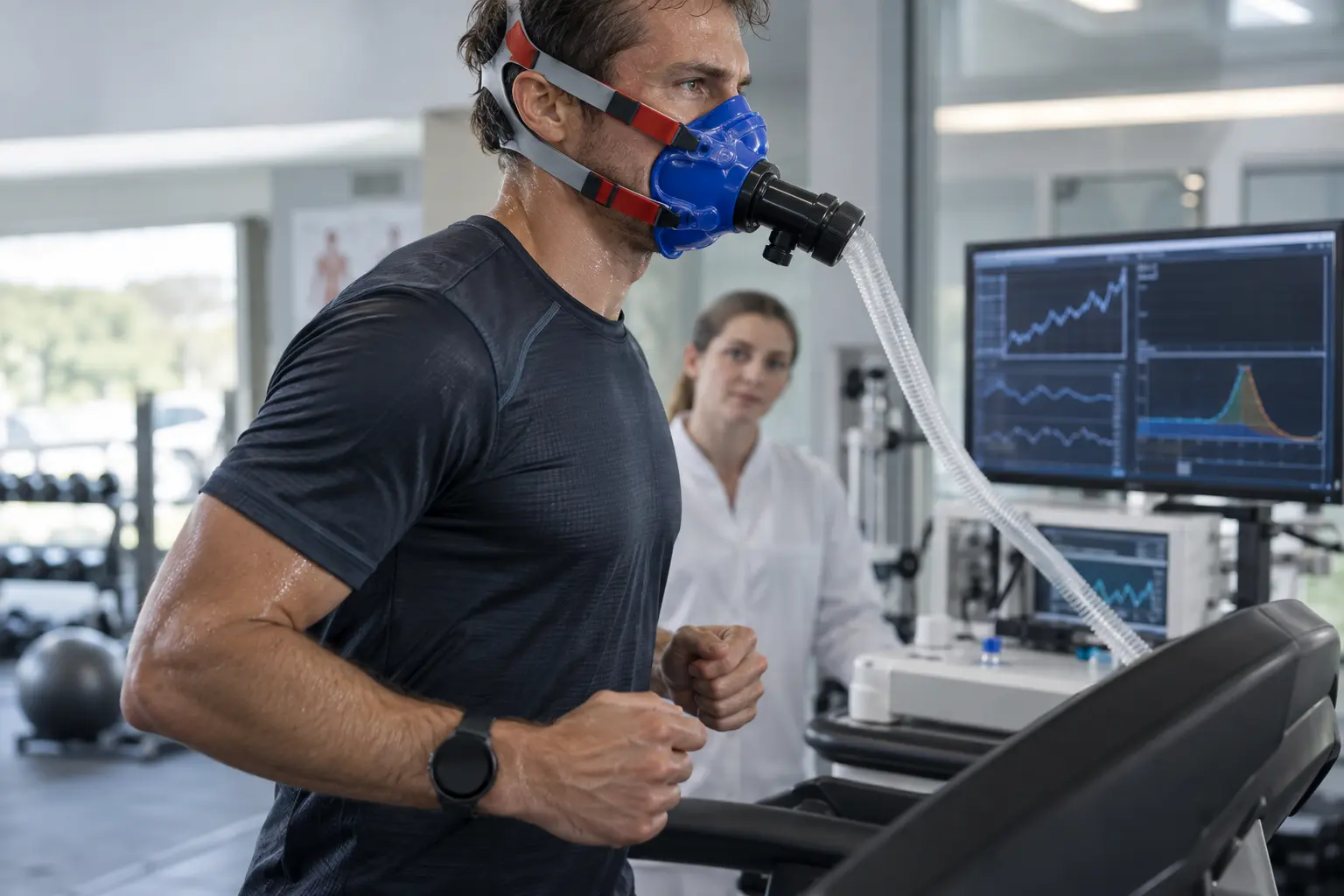
What the tracker actually sees
Why the error changes by activity
Steady walking or running produces motion patterns that are easier to classify than resistance training, carrying, cycling, pushing a stroller, incline work, intervals, or activities involving limited wrist movement. Heart rate also rises with heat, stress, caffeine, dehydration, illness and some medicines, not only with mechanical work.
Two people with the same heart rate can have different oxygen consumption and energy expenditure. Population equations cannot fully capture fitness, body composition, technique and individual physiology.

Heart-rate accuracy does not guarantee calorie accuracy
Validation studies commonly find that wrist devices can estimate heart rate more accurately than energy expenditure. A credible pulse trace therefore does not validate the calorie total. Laboratory comparison methods, device models, firmware, placement and study populations also differ, so one percentage error should not be applied universally.
The practical conclusion is uncertainty, not that every tracker always overestimates by the same amount.
Reduce avoidable error
- Keep body weight and profile information current.
- Wear the device in the manufacturer-recommended position and fit.
- Select the correct activity mode rather than recording everything as generic exercise.
- Use the same device when comparing sessions.
- Do not combine watch, machine and app calories.
- Separate active from total calories before using any number.
Use the device for behavior and trends
Steps, session frequency, route, pace, heart-rate response, and reminders can support consistency even when the calorie output is poor. Compare the same walk or ride across time rather than treating each session as an exact energy invoice.
For calorie planning, start from an estimated maintenance range and compare several weeks of intake and weight data. If progress differs from expectation, adjust cautiously after checking food and activity consistency.
Example: two devices, three calorie totals
Sam's watch reports 640 calories, the bike reports 480, and the connected app adds both. None is a direct measure, and the app has now duplicated the session. Eating 1,120 extra calories would turn uncertainty into a large accounting error.
Sam keeps one device record for training trends, removes the duplicate import, and uses a stable intake target. Recovery food is planned from session demands and hunger, while multi-week outcomes calibrate the total plan.
A deeper calibration check
Create a device confidence card. Record the model, software version, wrist, fit, profile weight, activity mode, and whether the display reports active or total calories. Update it when the device or settings change. Without that record, an apparent improvement may come from an algorithm update or profile correction rather than physiology.
For three repeatable sessions, compare duration, distance or workload, average heart rate, perceived effort, and displayed calories. Large calorie swings during otherwise similar work reveal instability. Stable calorie numbers still do not prove accuracy, but they may be usable as an internal trend if every relevant condition stays similar.
Avoid creating a personal correction factor from one laboratory or online comparison. Device error may not remain proportional across activities and intensities. Subtracting a universal twenty percent can make a precise-looking number that is still wrong. It is safer to keep the output separate from food accounting and calibrate the whole plan from longer-term outcomes.
Use wearable data where it is strongest for your purpose: reminders to move, step trends, route and pace, session completion, or heart-rate patterns when validated and medically appropriate. Stop using the calorie field if it drives compensatory eating, compulsive exercise, anxiety, or repeated restriction. The best metric is not the most technical one; it is the one that supports a healthy, repeatable decision without claiming more accuracy than the sensor provides.
The final accounting rule
Check whether the device encourages a closed loop: it reports a large burn, the food app raises the target, and the user eats to match both. Disable automatic calorie imports when they duplicate activity or create unhelpful behavior. Keep the raw training record if useful, but make dietary adjustments only at planned reviews. If a medical condition, implanted device, medication or symptom affects wearable use or heart-rate interpretation, follow manufacturer and clinician guidance rather than generic accuracy advice.
Use a two-week calibration loop
Choose one calorie estimate and keep the method stable for fourteen days. Record food with consistent detail, use comparable morning weights, note waist, steps or training, sleep, hunger, and unusual events. Compare weekly weight averages rather than selecting the highest or lowest day. The purpose is not to prove a calculator correct; it is to learn how the estimate behaves in your real routine.
If the direction differs from the plan, investigate measurement consistency and adherence before changing the target. Restaurant meals, cooking oils, drinks, weekend portions, device settings, constipation, sodium, menstrual timing, and new training can obscure the signal. Change one variable, hold it long enough to evaluate, and schedule the next review.
Do not keep cutting intake when hunger, fatigue, sleep, mood, training, or daily function is deteriorating. People with diabetes, pregnancy, eating-disorder history, frailty, major illness, or medicines that affect appetite, glucose, fluid balance, or heart rate need individualized guidance.
Where Fat Burn Active fits
Fat Burn Active cannot make a wearable calorie number accurate, calculate maintenance, or prove that a deficit exists. Stimulants can also change heart rate, sleep, appetite, and spontaneous movement, which makes a poorly controlled self-test harder to interpret. Evidence for an ingredient cannot be transferred automatically to the complete formula.
Treat Fat Burn Active as an optional addition, not a substitute for Why Fitness Trackers Overestimate Calories Burned. Review its listed ingredients and limitations in our product analysis. If the evidence, warnings, and cost fit your decision, verify the current formula and purchase options. We may earn a commission.
Frequently asked questions
Are maintenance calories one exact number?
No. They are an estimate and practical range that changes with body mass, activity, environment, intake, and normal day-to-day behavior.
Should I change calories after one flat week?
Usually not. Water and digestive changes can hide the trend. Confirm several comparable weeks and execution first.
Can a lab test measure total daily expenditure?
Indirect calorimetry can measure resting expenditure under specified conditions. Total free-living expenditure requires additional methods or assumptions.
Is faster weight loss always a better-calibrated deficit?
No. Rapid changes can include water and lean tissue, and an overly aggressive target may impair recovery or adherence.
Sources
- Stanford: Trackers Measure Heart Rate Better Than Calories
- Systematic Review of Wearable Energy-Expenditure Validity
- NIH: Consumer Wearable Activity Trackers
- National Academies: Dietary Reference Intakes for Energy
Sources reviewed September 14, 2026. This article is general educational information, not medical advice, diagnosis, or treatment.