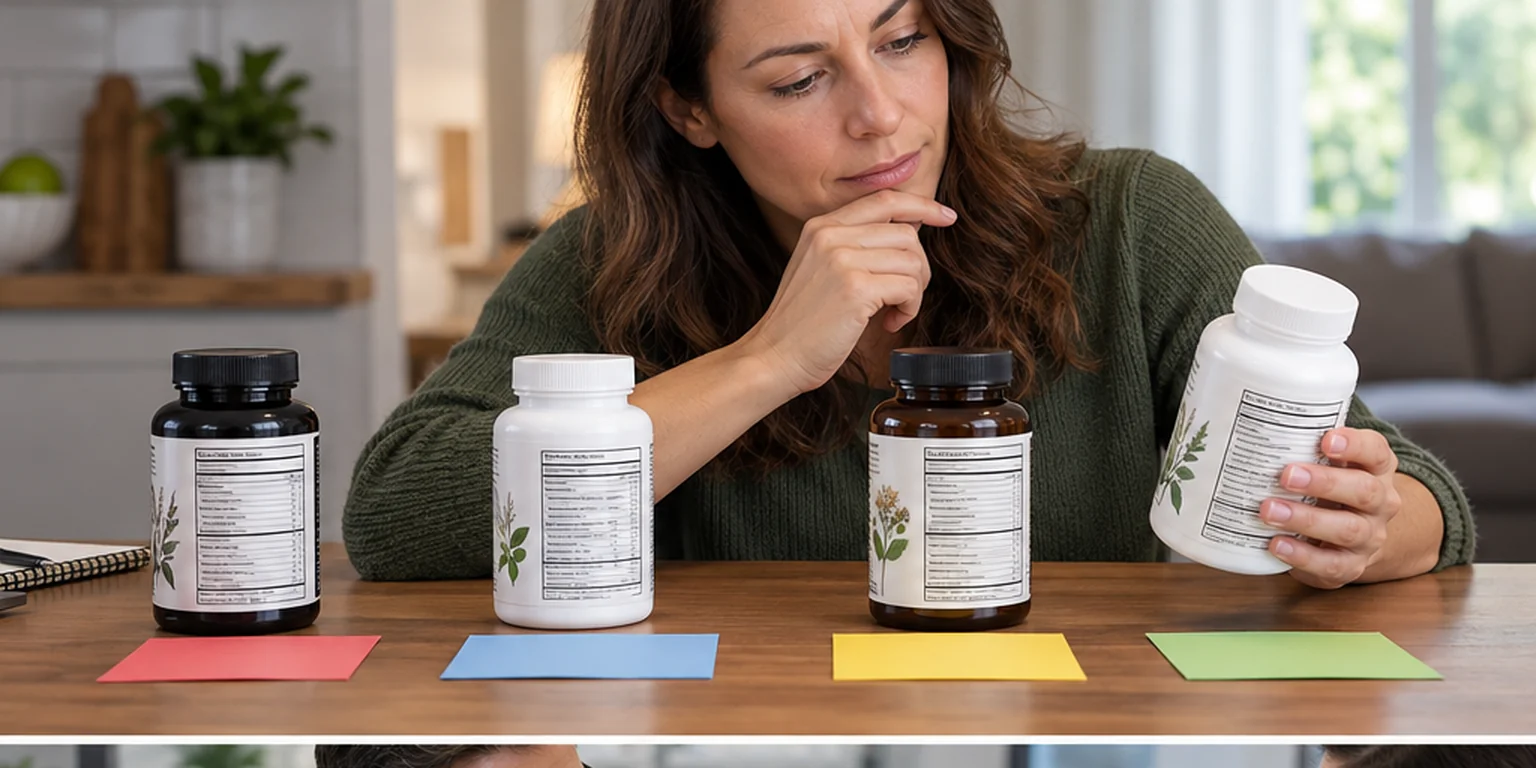
Why fat-burner shopping is unusually difficult
Search results place unlike products beside one another and describe them with the same words: thermogenic, metabolic, natural, stimulant-free, or maximum strength. Those terms do not tell you whether the formula uses studied amounts, whether the complete product has been tested, or whether it fits your health and daily caffeine intake.
The stakes are higher than wasting money. A poorly chosen stimulant may worsen sleep, anxiety, blood pressure, or heart symptoms. An undisclosed blend prevents meaningful dose comparison. A product bought through unclear recurring billing can create a financial problem even when the capsules are never opened.
Treat selection as a sequence of gates. If information is missing, the correct conclusion is not “probably fine”; it is “not verifiable.”
Gate 2: require a complete, readable label
- Serving size: confirm how many capsules create one serving.
- Daily directions: calculate the maximum instructed daily amount.
- Ingredient amounts: require a number for each active ingredient, not only a blend total.
- Ingredient form: identify the extract, salt, or standardized compound used.
- Caffeine statement: find the total from all sources per serving and per day.
- Warnings: check age, pregnancy, health-condition, medication, and timing cautions.
- Other ingredients: review allergens and substances used in the capsule or coating.
A proprietary blend may legally show only the total blend weight. That makes individual dose comparison impossible. Transparency does not prove effectiveness, but opacity blocks responsible evaluation.
Gate 3: match the evidence to the claim
Ask whether there is a randomized human trial of the exact finished product at the sold dose. If not, move down to ingredient evidence and narrow the conclusion. Research on caffeine cannot validate every ingredient surrounding it. A mechanistic study showing increased thermogenesis for several hours cannot establish meaningful fat loss over months.
Check who participated, how long the study lasted, what comparison was used, whether diet and exercise support differed, what outcome was measured, how many people withdrew, and who funded the work. Prefer body-weight, waist, or validated body-composition outcomes over sensations, testimonials, or a short change in oxidation.
NIH's Office of Dietary Supplements summarizes that evidence for many weight-loss supplement ingredients is limited, mixed, or based on small effects. A responsible comparison reflects that uncertainty instead of converting every plausible pathway into a promise.
Gate 4: calculate total stimulant exposure
Add caffeine from the formula, coffee, tea, cola, energy drinks, chocolate, pre-workout products, and relevant medicines. Botanical names can hide caffeine: guarana, kola nut, yerba mate, and tea extracts may contribute. “Caffeine-free” should be verified from the current label rather than inferred from branding.
More stimulation is not more fat loss. Higher exposure can increase nervousness, tremor, insomnia, rapid heartbeat, and gastrointestinal discomfort. Timing matters because a dose that feels acceptable in the morning may disrupt sleep when taken later. Habitual users may feel less effect, but tolerance to a sensation does not guarantee protection from every cardiovascular or sleep effect.
Do not stack two fat burners or combine one casually with a pre-workout. When exact amounts are unavailable, combined exposure cannot be calculated reliably.
Gate 5: screen personal risk and interactions
Consult a clinician or pharmacist before use if you have high blood pressure, heart rhythm problems, cardiovascular disease, anxiety or panic symptoms, glaucoma, diabetes, thyroid disease, liver or kidney disease, seizures, an eating-disorder history, or if you use prescription or nonprescription medicines. Pregnancy, breastfeeding, childhood, and adolescence are not situations for self-directed weight-loss supplement use.
Do not stop or adjust prescribed medicine to make room for a supplement. Bring the actual label or a clear photograph to the professional, because the product name alone is insufficient. Seek urgent care for chest pain, fainting, severe palpitations, breathing difficulty, serious allergic symptoms, or other severe reactions.
FDA publishes notifications about weight-loss products found with undeclared drug ingredients. Avoid products promising drug-like speed, guaranteed results, or “no diet or exercise,” especially when the seller and manufacturing details are unclear.
Gate 6: separate quality verification from effectiveness
Independent certification can help verify that a tested batch contains what the label states and meets limits for specified contaminants. It does not prove the product burns fat. Look for a named, verifiable certification program and search its public directory when available; a homemade “lab tested” badge is not equivalent.
Check the manufacturer, lot number, expiration information, tamper protection, and a working contact channel. Buy through a traceable seller that provides the sealed product. Marketplace popularity and star ratings cannot replace identity, purity, or clinical evidence.
A practical comparison scorecard
A product does not win by accumulating marketing positives while failing a safety gate. Use the scorecard as a filter, not a points game.
Applying the checklist to Fat Burn Active
Apply exactly the same standard to Fat Burn Active. Start with our Fat Burn Active review, which separates product-level information from ingredient research and identifies uncertainty. Then compare the review with the current official label because formulas, directions, price, and terms can change.
Use the How to Choose a Fat Burner criteria to assess Fat Burn Active rather than relying on a headline claim. Our formula evidence analysis explains the remaining uncertainty. If the product fits your needs, view current availability and ordering terms on the official website. We may earn a commission at no extra cost.
Choose the fat-burner category before comparing brands
Start with the problem you want to solve. A stimulant formula mainly raises questions about total caffeine, sleep and tolerability; a non-stimulant product avoids that specific stimulant exposure but does not automatically work better or remove all risks. A product marketed for appetite control needs evidence for the exact ingredient and dose, while a thermogenic claim must distinguish acute energy expenditure from meaningful long-term fat loss. Fiber-based products and “water-loss” products answer different questions again: fullness is not fat burning, and temporary fluid loss is not body-fat loss. NIH ODS notes that evidence for many weight-loss ingredients is limited.
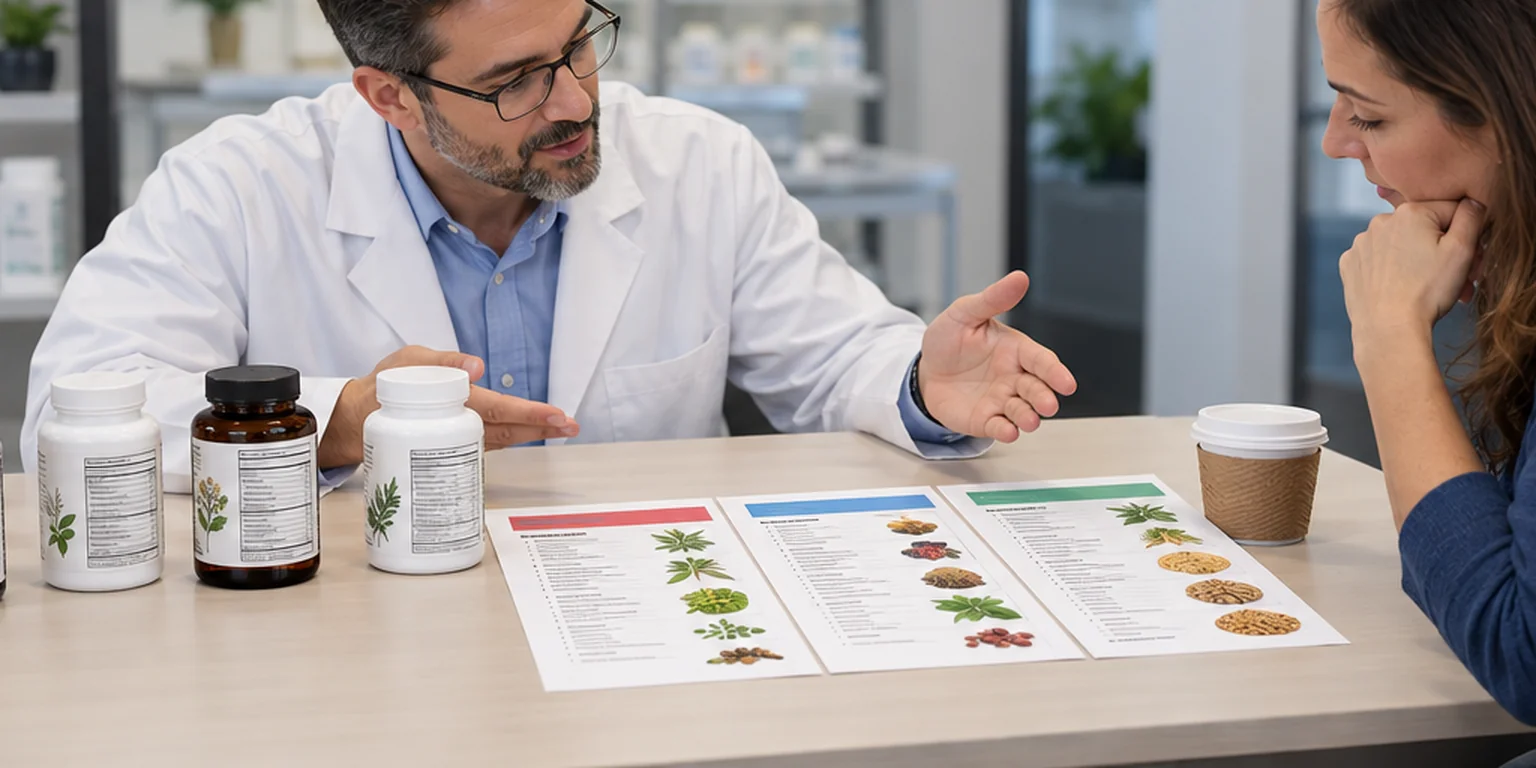
Next compare your health context, current medicines, drinks and other supplements with the complete label. If a formula stacks categories, count overlapping ingredients and do not assume the benefits add. See stack complexity and water-loss combinations. A category narrows the question; it never certifies that a particular bottle is effective or safe. If the basic aim is easier meals or consistent activity, improve those routines before deciding that any category deserves a purchase.
Frequently asked questions
Should I choose the strongest fat burner?
No. “Strongest” usually describes stimulation or marketing, not the best balance of evidence, safety, and personal fit.
Is a natural formula better?
Natural origin does not establish effectiveness or safety. Plants can contain stimulants, interact with medicines, and vary by extract and dose.
Are proprietary blends always bad?
They are not proof of harm, but they prevent you from matching individual doses to research and calculating exposure accurately.
What if two products look equal?
Prefer the narrower formula with better disclosure, relevant finished-product evidence, lower avoidable risk, verifiable quality controls, and clearer purchase terms—or choose neither.
Sources
- NIH ODS: Dietary Supplements for Weight Loss
- FDA: Dietary Supplements
- FDA: Weight-Loss Product Notifications
- NIDDK: Treatment for Overweight and Obesity
Sources reviewed September 8, 2026. This article is general educational information, not medical advice, diagnosis, or treatment.