The problem with one-number progress tracking
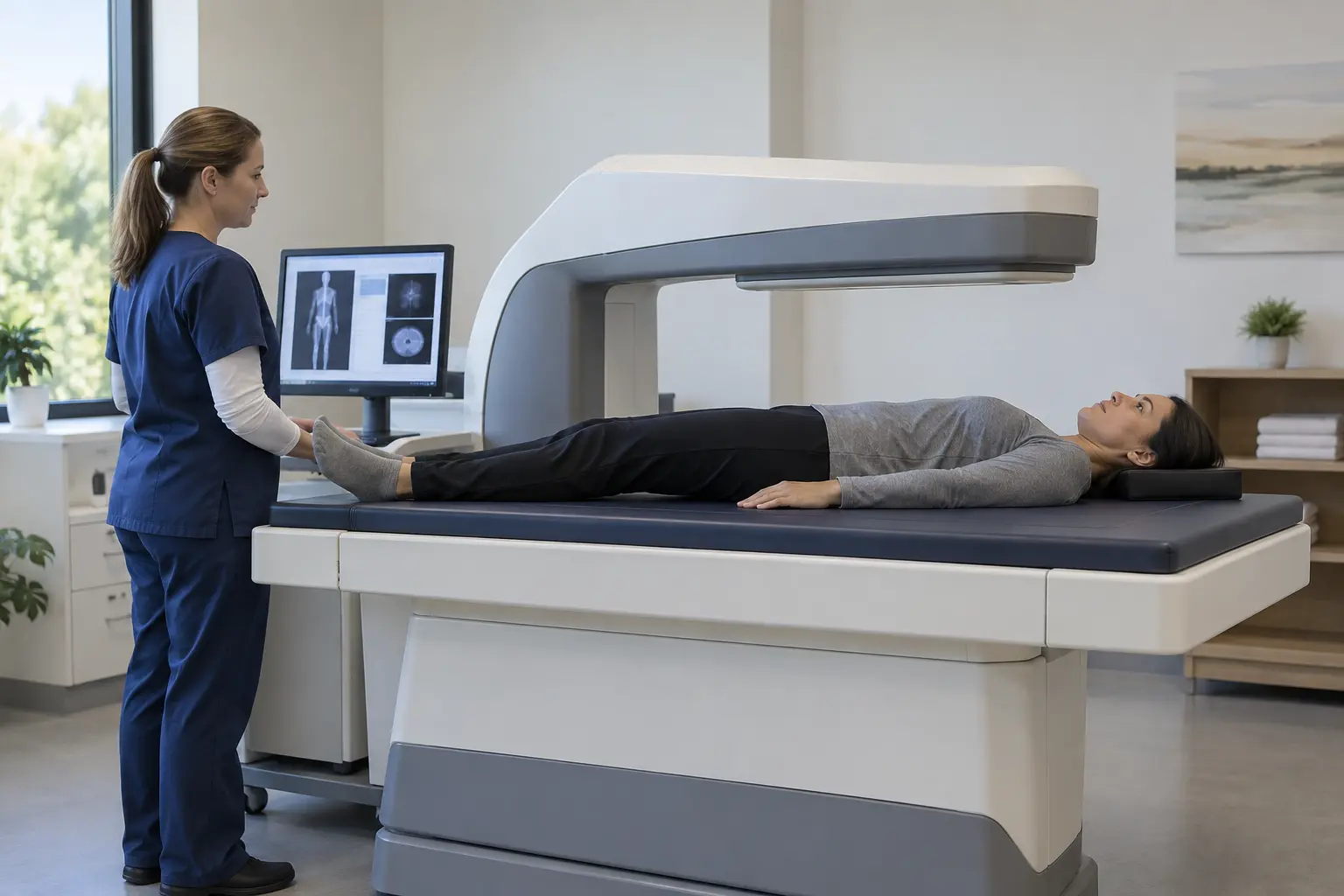
A DEXA body-composition scan estimates bone mineral, fat mass, lean soft tissue, and regional distribution from two low-dose X-ray energies. That sounds objective, but every result is produced by a procedure. If the procedure changes, the number or image can change even when the body has not changed meaningfully. The first task is therefore not collecting more data. It is deciding what the method can answer and making the next comparison reproducible.
Its main advantage is regional information and generally good repeatability under standardized conditions. Its central limitation is that lean mass is not identical to skeletal muscle, and hydration, glycogen, positioning, device model, software, and analysis can change the estimate. Treat the result as an estimate or observation, not a diagnosis, moral score, or permission to make an aggressive diet change.
What this method can and cannot establish
This method can strengthen confidence when repeated results move in the same direction as average weight, waist, clothing, photographs, or performance. It cannot prove which single behavior or product caused the change. It also cannot separate every contribution from fat, muscle, water, glycogen, digestive contents, posture, or measurement error.
Before testing, write the decision the result could change. If no plausible outcome would alter calories, training, clinical follow-up, or the timing of the next review, another measurement may create anxiety without useful information.
A repeatable practical protocol
- Use the same facility, scanner, and software whenever possible.
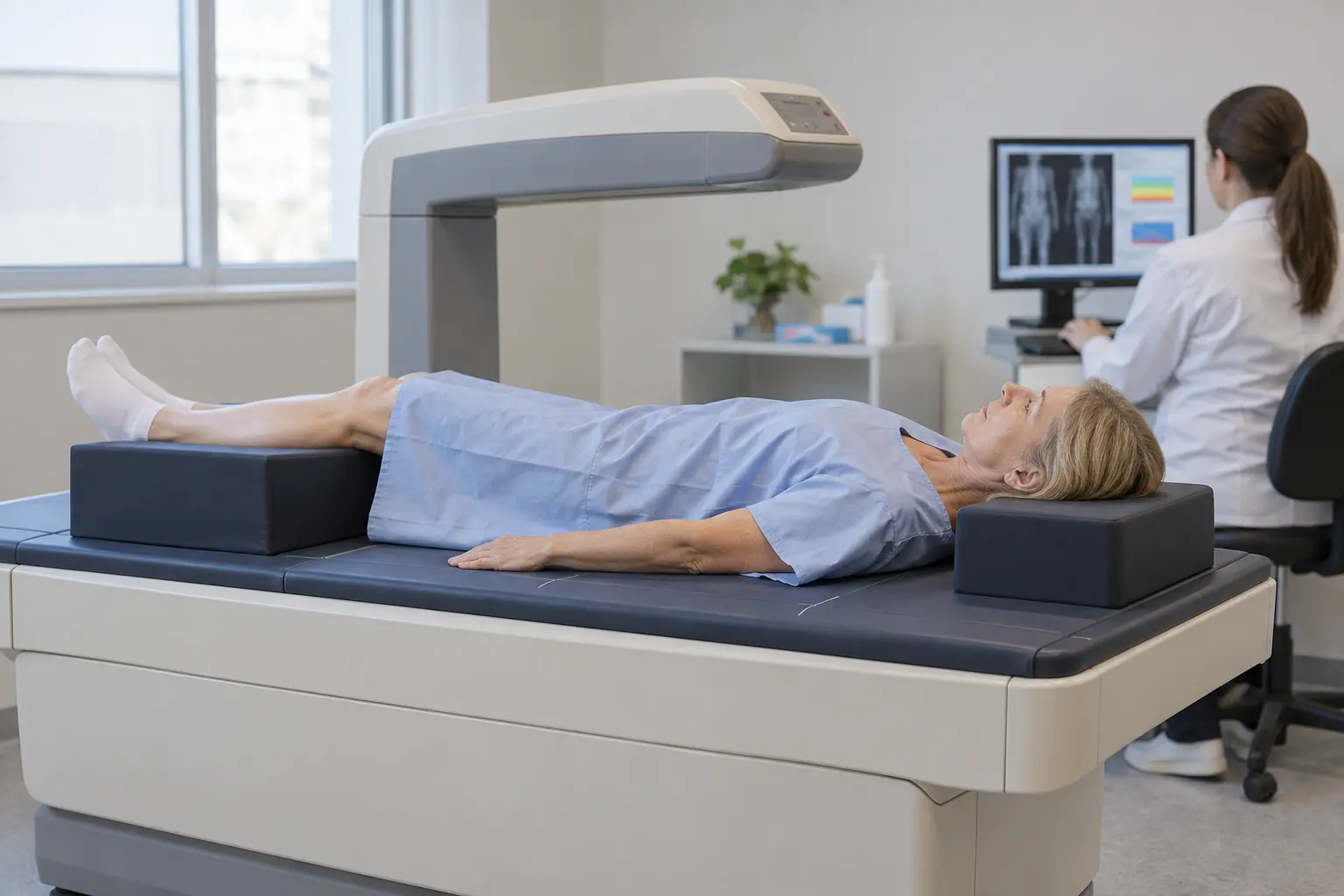
- Book a similar time and follow the same food, fluid, exercise, clothing, and bladder instructions.
- Ask staff to reproduce hand, foot, and limb positioning.
- Retain the complete report, machine details, and technician notes.
- Compare changes with the facility’s least significant change rather than every decimal.
Do not improve the conditions only when you expect a favorable result. Standardization must apply on ordinary days. Record anything unusual—illness, travel, hard training, constipation, a menstrual-cycle change, medication, or disrupted sleep—so the next review can distinguish context from a persistent trend.
Worked example
A repeat scan estimates less lean mass after four months, but waist is smaller and strength is stable. Review preparation, hydration, positioning, deficit size, protein, and the scanner’s precision before declaring muscle loss.
The useful response is proportionate: confirm the trend, audit the protocol, and then change one relevant variable. Retesting immediately until a preferred answer appears is not confirmation; it is selection bias.
A four-part decision system
- Baseline: preserve raw results, setup details, date, and context.
- Threshold: define how much change and how many repeat observations matter.
- Triangulation: require agreement with at least one independent measure.
- Action: prewrite continue, investigate, adjust, and seek-care rules.
Use a scheduled interval rather than checking after every difficult meal or weigh-in. A longer interval gives real change time to exceed noise and reduces compulsive testing. For a broader system, use waist versus scale weight and body-fat scales.
Common interpretation errors
The first error is treating precision on a display as accuracy. The second is changing the device, operator, conditions, or calculation and calling the difference biological. The third is selecting only the most flattering result. The fourth is reacting to one outlier before reviewing the longer trend.
Comparison with other people is another weak use. Bodies, equipment, procedures, training history, and health context differ. Compare a person with their own standardized baseline and focus on decisions that improve health or function.
Safety and psychological limits
A progress tool should never require dehydration, fasting beyond professional instructions, painful clothing, unsafe maximal exercise, or repeated body checking. Rapid unexplained change, swelling, faintness, chest symptoms, severe fatigue, disordered eating, or a major decline in daily function deserves qualified assessment rather than a harsher deficit.
If the method increases shame, compulsive checking, restriction, or compensatory exercise, remove it from the dashboard. Weight, waist, function, clinician-led measures, and health markers offer alternatives. More measurement is not automatically better care.
Monthly review checklist
- Were the conditions genuinely comparable?
- Is the change larger than ordinary technical and biological variation?
- Do other independent markers point in the same direction?
- Could water, digestion, training, clothing, or equipment explain the result?
- What single action, if any, is justified?
Write one neutral conclusion and the next review date. Avoid labels such as “good body” or “bad week.” A useful record describes what changed, how certain the observation is, and what will happen next.
Where Fat Burn Active fits
A supplement is not required to benefit from DEXA Scans for Body Composition. If your foundations are already in place, use the independent Fat Burn Active review to judge whether the formula has a useful optional role. If it fits your expectations and stimulant tolerance, check current product details and ordering terms. We may receive a commission.
Plan the scan around the decision, not curiosity
DEXA estimates several compartments from X-ray attenuation. Its fat and lean values are model-based estimates, not a direct photograph of every gram of muscle or fat. A scan can be helpful when a clinician needs regional composition information or when a carefully repeated measure might answer a specific question. It is a poor reason to alter eating after a single decimal-point change. Ask the facility which machine and software were used and keep the full report, including regional values and scan conditions, so the next comparison has context.
Repeatability is the practical obstacle. Meals, recent exercise, hydration, positioning, clothing, and differences between scanners can move results. If a baseline and follow-up come from different devices or protocols, the difference may contain measurement noise. Schedule follow-ups under similar conditions, ideally with the same center, and ask about the facility's least significant change before interpreting small movements. A lean-mass increase on a printout is not automatically proof of new muscle tissue; fluid shifts can affect that compartment.
Radiation exposure is low but not zero, so repeated scanning merely to reassure yourself about a weekly fluctuation is hard to justify. Pregnancy and other medical circumstances call for facility or clinician guidance. If the actionable question is simply whether a weight-management plan is sustainable, ordinary measures such as a consistent waist record, function, and a multi-week weight trend may answer it with less cost and attention. Use DEXA when its extra detail would actually change the next decision.
Compare outcomes in a prewritten table: scan date, machine, preparation, total fat mass, lean soft tissue, regional measures, weight trend, training, and relevant health context. Treat a small isolated regional change with caution when the other signals disagree. A larger consistent trend across comparable scans may be informative, but it still requires interpretation alongside strength and daily function. The best follow-up is sometimes to keep the plan steady and recheck later, rather than optimize every number from one visit.
Frequently asked questions
How often should I repeat it?
Allow enough time for a plausible real change to exceed normal noise. Monthly or less frequent review is usually easier to interpret than daily checking.
What if the markers disagree?
Do not force a conclusion. Check conditions, wait, repeat, and investigate water, digestion, recovery, equipment, and technique.
Is one method the gold standard?
No method answers every question without error. The strongest conclusion usually comes from several consistent signals interpreted in context.
Keep the original record rather than only a summary. Future comparisons are easier when the raw observation, setup, relevant context, and reason for any excluded reading remain available. This also prevents a later change in an app, equation, garment, device, or personal goal from rewriting the baseline.
Sources
- Body composition by DXA
- DXA positioning and analysis
- Body-composition techniques
- StatPearls: DXA
- Clinical body-composition methods
Evidence reviewed September 16, 2026. Educational information only; not medical advice.