What Mediterranean-style actually means
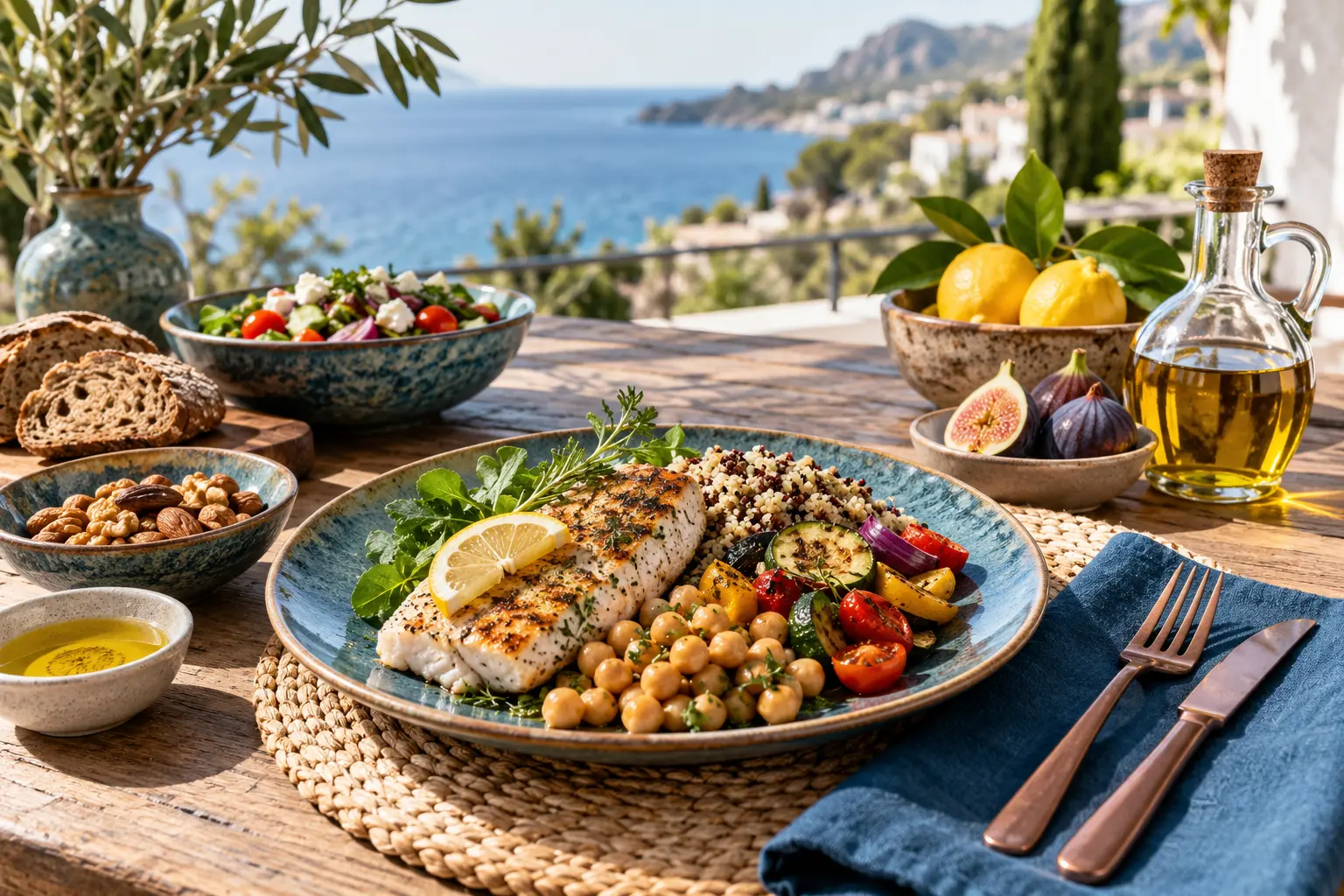
The pattern is based on traditional food habits observed in Mediterranean regions, but it is not one fixed menu or a licence to add pasta and olive oil to an unchanged diet. Common features include abundant plant foods, legumes, whole grains, extra-virgin olive oil as a principal fat, regular fish, moderate dairy, and less processed meat and highly refined food.
Culture, budget, allergies, and local foods can change the ingredients while preserving the structure. Beans can replace some meat, seasonal produce can replace imported vegetables, and rapeseed or other unsaturated oils may serve a similar practical role where olive oil is expensive.
What the evidence supports—and what it does not
PREDIMED tested Mediterranean patterns supplemented with extra-virgin olive oil or nuts in adults at high cardiovascular risk. It primarily addressed cardiovascular events, not a weight-loss contest. PREDIMED-Plus adds energy restriction, activity, and behavioral support, showing why the label alone should not receive credit for every outcome.
Weight-loss trials and reviews generally find Mediterranean-style diets can reduce weight when they help lower intake, with results comparable to other credible patterns. The important advantages may be food quality, flexibility, cardiometabolic alignment, and adherence rather than a unique fat-burning pathway.
Build the Mediterranean weight-management plate
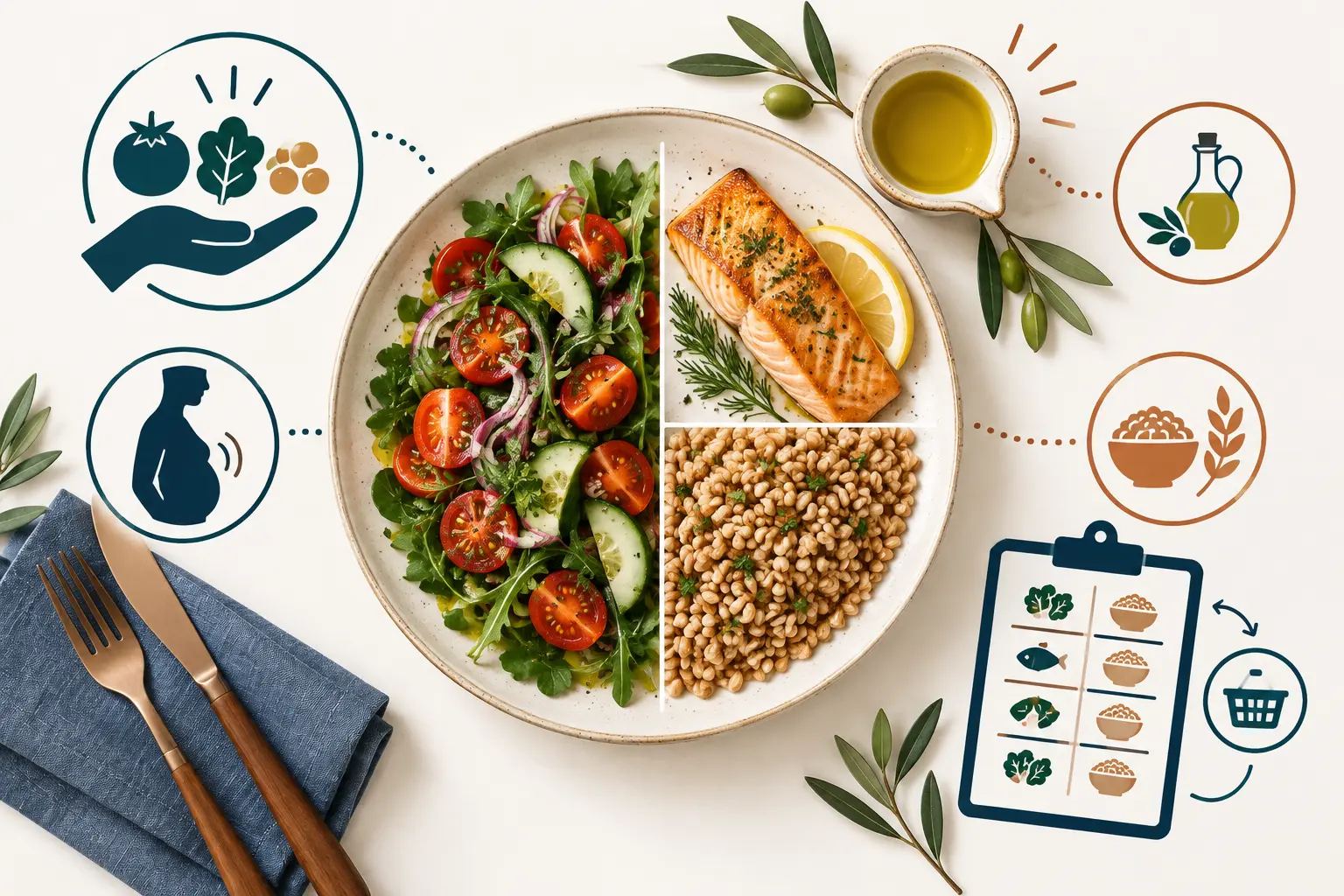
Water is the default drink. Wine is not required and should not be started for health. Alcohol adds energy and risk, and some people should avoid it entirely.
Healthy foods can still erase the deficit
Olive oil contains substantial energy in a small volume. Free-pouring it into pans and salads can add more than expected. Nuts, cheese, hummus, pesto, bread, and dried fruit are nutritious but easy to layer. A restaurant “Mediterranean bowl” may combine several of them with a large grain base and sauce.
Measure the most concentrated additions for one week, not every cucumber. Choose one or two fats per meal rather than stacking oil, nuts, cheese, avocado, and dressing. This preserves the pattern without turning healthful ingredients into invisible calories.
Example: repair the bowl instead of abandoning the diet
Sam's lunch contains quinoa, chickpeas, roasted vegetables, feta, olives, avocado, olive oil, tahini, and pita. The foods are nutritious, but the bowl combines multiple concentrated sources. He keeps the vegetables, chickpeas, and quinoa, then chooses feta plus lemon dressing and saves pita for another meal.
The revised bowl remains recognizably Mediterranean and more filling than a tiny diet lunch. The solution is not removing carbohydrates or fat as categories; it is giving each ingredient a clear job and portion.
A repeatable seven-day structure
Choose two legume meals, two fish meals if suitable, one poultry or lean-meat meal, and two flexible plant-forward meals. Prepare a grain, beans, chopped vegetables, and one sauce. Keep fruit, yogurt or an alternative, and measured nuts available for planned snacks.
At week's end, review vegetable and legume frequency, oil and restaurant portions, hunger, cost, and food waste. If weight is stable when loss is intended, reduce one repeated energy-dense addition rather than shrinking every meal.
Nutrition and medical considerations
The pattern is adaptable, but “Mediterranean” does not override allergies, kidney-related potassium limits, swallowing needs, diabetes medication, or gastrointestinal tolerance. Canned beans and fish can be useful; choose lower-sodium options or rinse foods when sodium is a concern.
People avoiding animal foods need deliberate vitamin B12 and other nutrient planning. Those with an eating-disorder history should avoid turning the pattern into another purity rule. Variety and adequacy matter more than achieving an idealized food photograph.
Turn the evidence into a personal rule
Do not grade adherence by whether every ingredient comes from a Mediterranean country. Grade the behaviors: plant variety, legume frequency, appropriate portions, unsaturated rather than predominantly saturated fats, and meals prepared often enough to be repeatable. This keeps the pattern accessible and prevents expensive imported products from becoming a false requirement.
Choose by constraints, not diet identity
Before choosing a label, rank the constraints that decide whether the plan can work: hunger, cooking time, budget, family meals, work schedule, training, gastrointestinal tolerance, medicines, and foods you genuinely enjoy. Then ask which pattern meets those constraints with the fewest rigid rules. A diet that looks ideal in a study can fail when its shopping, preparation, or social burden is too high.
Write three non-negotiables, such as adequate protein, vegetables at two meals, and one flexible family dinner. Add two warning signs, such as worsening binge urges or persistent fatigue. This turns a diet debate into a personal operating plan. Reassess when health, activity, finances, or schedule changes. Changing the plan after new evidence is adaptation, not failure.
Use a four-week diet-pattern scorecard
- Define the pattern. Write what you will eat more often, what you will limit, and how meals will be built.
- Measure the baseline. Record weight averages, waist, hunger, digestion, energy, training, sleep, and relevant clinical markers.
- Change one pattern. Do not add fasting, supplements, and a new exercise program simultaneously.
- Check execution weekly. Include drinks, restaurant meals, weekends, and foods eaten while cooking.
- Judge the whole result. Review adherence, nutrition, symptoms, cost, social fit, and trends—not one scale reading.
- Adjust the smallest useful lever. Change portions, food quality, or structure before making the diet more extreme.
Four weeks can reveal feasibility and early direction, but it cannot settle long-term safety or superiority. Continue only when the pattern remains nutritionally adequate and repeatable.
Where Fat Burn Active fits
Fat Burn Active is optional. It cannot make an unsuitable diet sustainable, replace protein or micronutrients, or create a reliable deficit when portions remain too large. Ingredient studies do not prove the effect of the complete formula, and feeling stimulated is not evidence of body-fat loss.
Treat Fat Burn Active as an optional addition, not a substitute for Mediterranean Diet for Weight Management. Review its listed ingredients and limitations in our product analysis. If the evidence, warnings, and cost fit your decision, verify the current formula and purchase options. We may earn a commission.
Frequently asked questions
Which diet loses weight fastest?
Early scale changes can differ because glycogen, water, sodium, and food mass change. Sustainable fat loss depends more on the maintained energy gap than a dramatic first week.
Must I count calories?
No, but portions and energy density still matter. A plate method, repeat meals, or measured energy-dense additions can provide structure without continuous logging.
When should I involve a clinician?
Seek individual guidance for diabetes medicines, kidney or liver disease, pregnancy, eating-disorder history, gastrointestinal disease, rapid unexplained change, or significant symptoms.
Can one diet suit everyone in a family?
The shared foods may work, while portions, protein, energy, texture, and medical needs differ. Keep a common meal base and personalize additions.
Sources
- PREDIMED Republished Trial
- PREDIMED-Plus Lifestyle Intervention
- Mediterranean Diet and Weight Loss Meta-Analysis
- American Heart Association: Mediterranean Diet
Sources reviewed September 15, 2026. This article is general educational information, not medical advice, diagnosis, or treatment.