This guide offers educational information; it does not prescribe an individual diet or establish supplement benefits.
One meal is part of a pattern, not a verdict
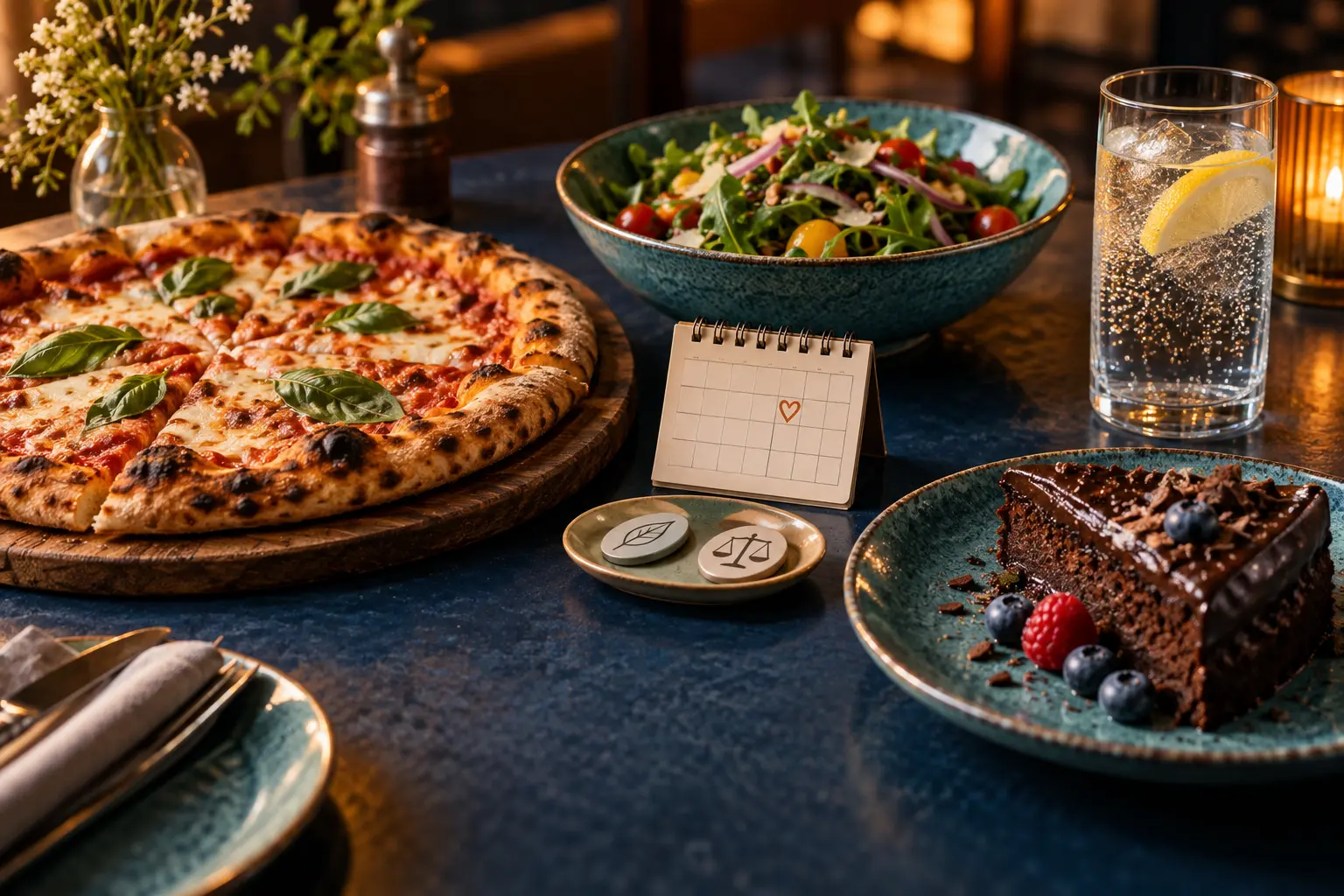
A favorite restaurant dinner does not undo months of consistent habits. Equally, a named “cheat meal” cannot guarantee progress if it routinely becomes an entire weekend of unplanned eating. The longer pattern of food and activity matters more than the label placed on a single plate. If you look forward to a flexible meal, decide what you actually want from it rather than treating the occasion as permission to eat beyond comfort.
This page examines flexible meals and the claims attached to them. The weekly planning guide explains a separate scheduling tool. You need neither a cheat meal nor a rigid weekly budget to make a weight-loss plan sustainable. Choose what lowers friction without increasing distress.
Does a cheat meal “reset” metabolism?
A single large meal can change short-term measurements, including energy expenditure from digesting food, but that does not establish a sustained increase in resting metabolic rate or extra body-fat loss. Research on planned diet breaks or intermittent restriction studies defined schedules; it cannot be used as proof that unrestricted eating for one evening “confuses” metabolism. A 2025 scoping review describes cheat meals as distinct from structured breaks and highlights the limited state of evidence for the term.
When an advertisement says a cheat meal restores leptin or prevents adaptation, ask about the actual population, comparison and long-term outcomes. A temporary biomarker shift is not a weight-loss guarantee. The calorie cycling guide explains why schedule flexibility is a practical choice, not a metabolism requirement.
Replace the “cheat” label with an ordinary choice
Some people find the word motivating; others hear that normal enjoyment is a moral failure. If the word makes you feel guilty, call it a flexible meal or simply dinner. Keep ordinary meals earlier in the day so you arrive with a reasonable appetite. Choose the foods you most want, notice satisfaction and stop when comfortable. You can order dessert without first doing an extreme workout or skipping lunch.
The goal is a pattern you would still accept next month. If a flexible dinner always follows severe restriction and triggers a sense of lost control, the earlier restriction may be the problem. Make the overall plan adequate before experimenting with special eating days. Enjoyment can be planned without being “earned.”
Make room without a food debt
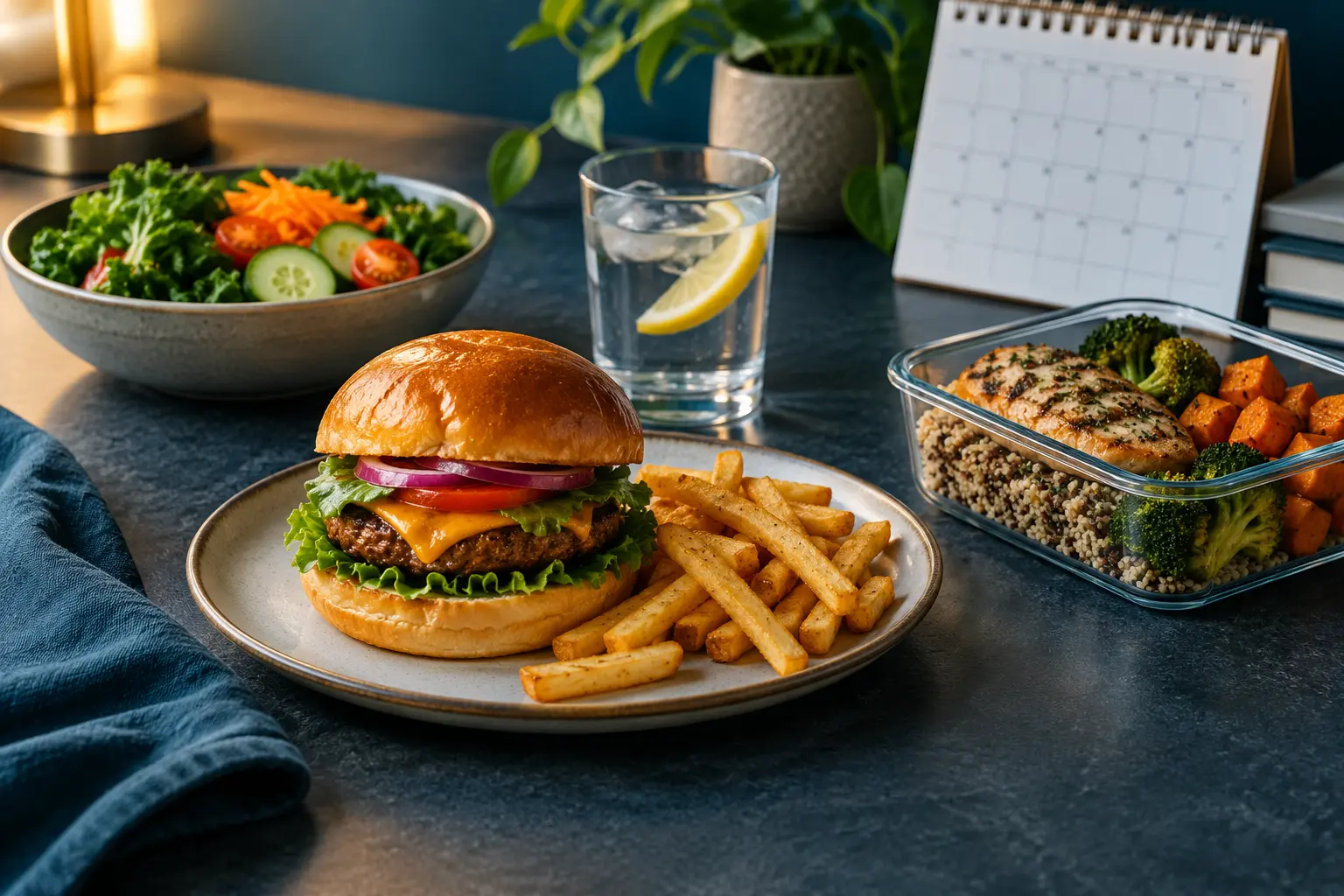
A planned meal can be more satisfying when you know what matters: pizza with friends, a family recipe or a favorite dessert. You might choose a smaller appetizer because it adds little value, while keeping the main dish you came for. Or you might keep both and return to usual meals afterward. This does not require exact calorie transfers from Tuesday to Saturday. The restaurant guide covers menu decisions in more detail.
Do not skip the next day’s breakfast to “pay back” the meal. Compensation can create another bout of hunger and make the routine less stable. A single larger dinner does not need a crash diet response. If exact tracking increases stress, plan with meal structure instead.
Understand the next-day number
Restaurant food may contain more sodium and carbohydrate than usual, and a later meal leaves more food in the digestive tract the next morning. These effects can move body weight quickly without describing exactly what happened to body fat. Compare readings over time under consistent conditions. The weight fluctuation guide helps prevent an unnecessary reaction to one scale reading.
If you enjoy the meal but feel physically uncomfortable afterward, note that separately from the scale. A smaller portion of the same food next time could improve the experience. There is no need to turn ordinary feedback into shame or declare that all flexible meals fail.
Notice when flexibility becomes distress
A 2025 review of cheat-meal research considers possible psychological as well as physiological effects. If your approach creates guilt, binge episodes, purging, excessive exercise or a repeated restrict-and-overeat cycle, seek support from an appropriately qualified professional. A meal is not helpful merely because it has an approved place on a calendar. Likewise, a strict plan is not successful if it leaves you preoccupied with “breaking” it.
Try a normal week with adequate meals and one valued food included without a special label. Ask whether you feel more able to maintain the plan and whether hunger stays manageable. The most useful structure differs from person to person; neither an indulgent meal nor daily restriction is required.
A product does not erase a flexible meal
No fat burner should be framed as compensation for an enjoyable dinner. NIH ODS describes limited evidence for many weight-loss supplements. Fat Burn Active’s ingredient mechanisms cannot establish that the finished product prevents weight gain from a larger meal or makes unrestricted eating nutritionally adequate. It is a separate buying decision with its own evidence and safety considerations.
If you want to evaluate the product, the full review is available. For this question, focus on a plan that lets you eat normal meals before and after social events. The measure of success is a routine you can repeat comfortably, not whether every plate obeys a rigid category.
Keep flexibility in proportion
Imagine a weekly dinner with friends. If you enjoy the main course and rarely care about the automatic bread basket, declining the bread may make room without changing the experience you value. If the bread is your favorite part, keep it and perhaps choose another adjustment or none at all. You can only learn which approach works from your actual hunger and routine. The point of a flexible meal is to preserve normal life, not to create a ritual that divides foods into virtuous and forbidden categories. If one meal leaves you uncomfortable or triggers compensatory restriction, reconsider the ritual rather than deciding you have failed. A normal meal that includes a favorite food may be easier to repeat than an extreme event with a dramatic name.
Choose the next useful step today
Check the current package, ingredients, serving directions, your other caffeine sources, and relevant health conditions. For an evidence-based starting point, read the full Fat Burn Active review. If this product still fits your circumstances, you can inspect its current offer. We may earn a commission if you buy through that link. Choosing no supplement is equally reasonable when the evidence or safety questions do not support a purchase.
Frequently asked questions
Does a cheat meal boost metabolism for days?
There is no good evidence that a single unrestricted meal provides a lasting metabolic advantage.
Will one large meal ruin my progress?
One meal does not define a longer trend; return to your normal routine.
Should I fast the next day?
No. Punitive compensation can worsen hunger and distress.
Practical decision checkpoint
Replace the “cheat” label with a planned flexible meal and decide its purpose. Is it for social enjoyment, variety, or relief from excessive restriction? Review the weekly pattern rather than assuming one meal either ruins progress or boosts metabolism. If it repeatedly leads to loss of control, adjust the underlying plan.
Sources
- Cheat Meals: Scoping Review
- Planned Diet Breaks Review
- Intermittent versus Continuous Restriction Trial
- NIDDK: Food Portions
- NIDDK: Eating and Activity
- NIH ODS: Weight-Loss Supplements
Reviewed against the sources listed above. Educational information only; not medical advice.