Why a low-calorie dinner can still disappoint
A plate of plain chicken and steamed vegetables may be low in calories but hard to repeat. A tiny pasta portion may leave you searching the kitchen an hour later. At the other extreme, a “healthy” dinner can exceed your estimate when oil, cheese, dressing and a second helping go uncounted. The useful middle ground is a meal with food you like, enough volume, and a portion suited to the full day.
The number 600 has no special weight-loss effect. Some adults need a larger dinner; others prefer a smaller one and a substantial breakfast or lunch. NIDDK emphasizes a sustainable eating pattern, not a single meal limit. If a 600-calorie ceiling leaves you persistently hungry or short on nutrients, change the ceiling. If you want a specific energy target, a clinician or dietitian can help when health conditions complicate the decision.
The plate formula: protein, produce, fuel, flavor
To keep a plate within your chosen budget, start by looking at the most variable items: oil in a sheet pan, creamy sauce, large cheese topping, a restaurant-sized grain portion or bread on the side. Do not automatically remove vegetables or protein. Check actual food labels and use USDA FoodData Central for foods without packaging. A recipe's calorie total is only as accurate as its ingredients and serving size.
Five flexible dinner structures
1. Fish, potato and vegetables
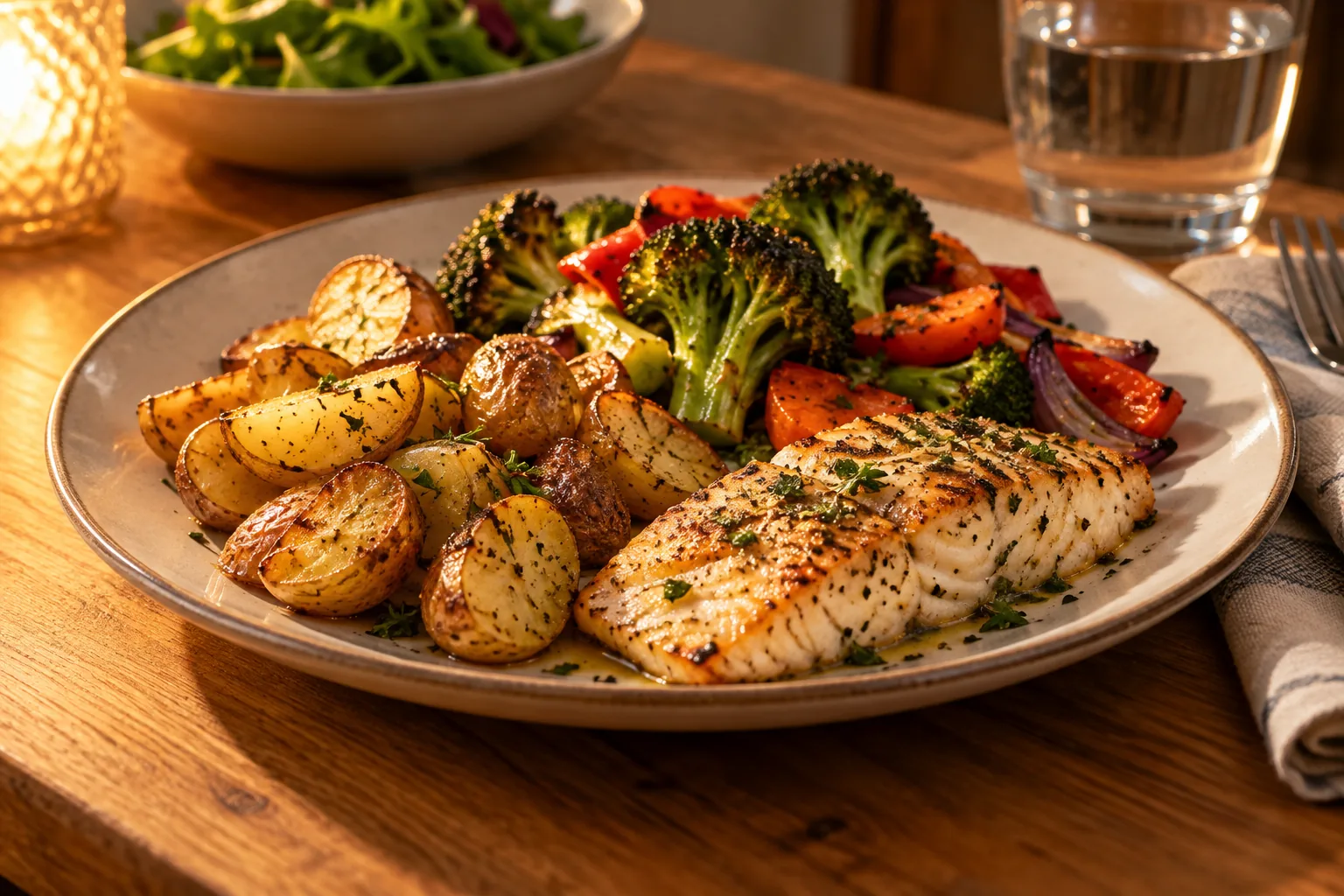
Bake fish with lemon, serve it with a potato and a generous pile of broccoli or green beans. A spoon of yogurt-herb sauce adds flavor. Different fish have different energy and fat content; salmon and white fish are not interchangeable in a calorie calculation. Measure any oil used for roasting. If fish is unavailable, tofu or chicken can fill the same plate role.
2. Chicken or tempeh stir-fry
Cook a protein with peppers, mushrooms and cabbage; serve over a measured rice portion. Use garlic, ginger and a modest sauce rather than assuming bottled sauce is negligible. Tempeh has a different energy density from skinless chicken, so check the amount. Frozen mixed vegetables make this a practical weekday dinner, and leftover rice should be stored and reheated safely.
3. Bean-and-vegetable chili
Simmer beans, tomatoes, onion and peppers with spices. Add lean meat, soy crumbles or another protein if desired. Finish with a measured portion of rice, yogurt or cheese. A big bowl of beans can be filling, but it still contributes energy; a small bowl with lots of broth may not satisfy. Make the serving size explicit before claiming a calorie total.
4. Pasta with protein and vegetables
Use pasta as one component, not the entire plate: combine a measured serving with tomato sauce, vegetables and tuna, chicken, tofu or lentils. If you enjoy cheese, include it and count the portion. A high-protein pasta label does not automatically make the meal balanced; check total calories, fiber and the protein source in the finished dish.
5. Egg or tofu skillet with toast
Dinner does not have to look traditional. Make a pan of eggs or tofu with spinach, tomatoes and mushrooms, and add whole-grain toast or a small potato. It is fast, affordable and useful when you return home late. Adjust the number of eggs, tofu amount, oil and bread to your needs rather than copying an unverified online calorie claim.
Check one plate before calling it “under 600”
- List the exact amount of protein food, starch, vegetables, oil, sauce, toppings and drinks served with dinner.
- Use the package's serving size or USDA nutrient data. If a recipe feeds four, divide the full batch, including cooking oil, into four actual portions.
- Add the energy values. If the plate exceeds 600, decide whether a larger dinner is appropriate. If the limit is useful, trim an energy-dense extra or adjust the starch portion without stripping the meal of satisfaction.
- Eat it under ordinary conditions, then note whether you need a snack later. A numerically tidy dinner that repeatedly leads to extra eating is not a useful plan.
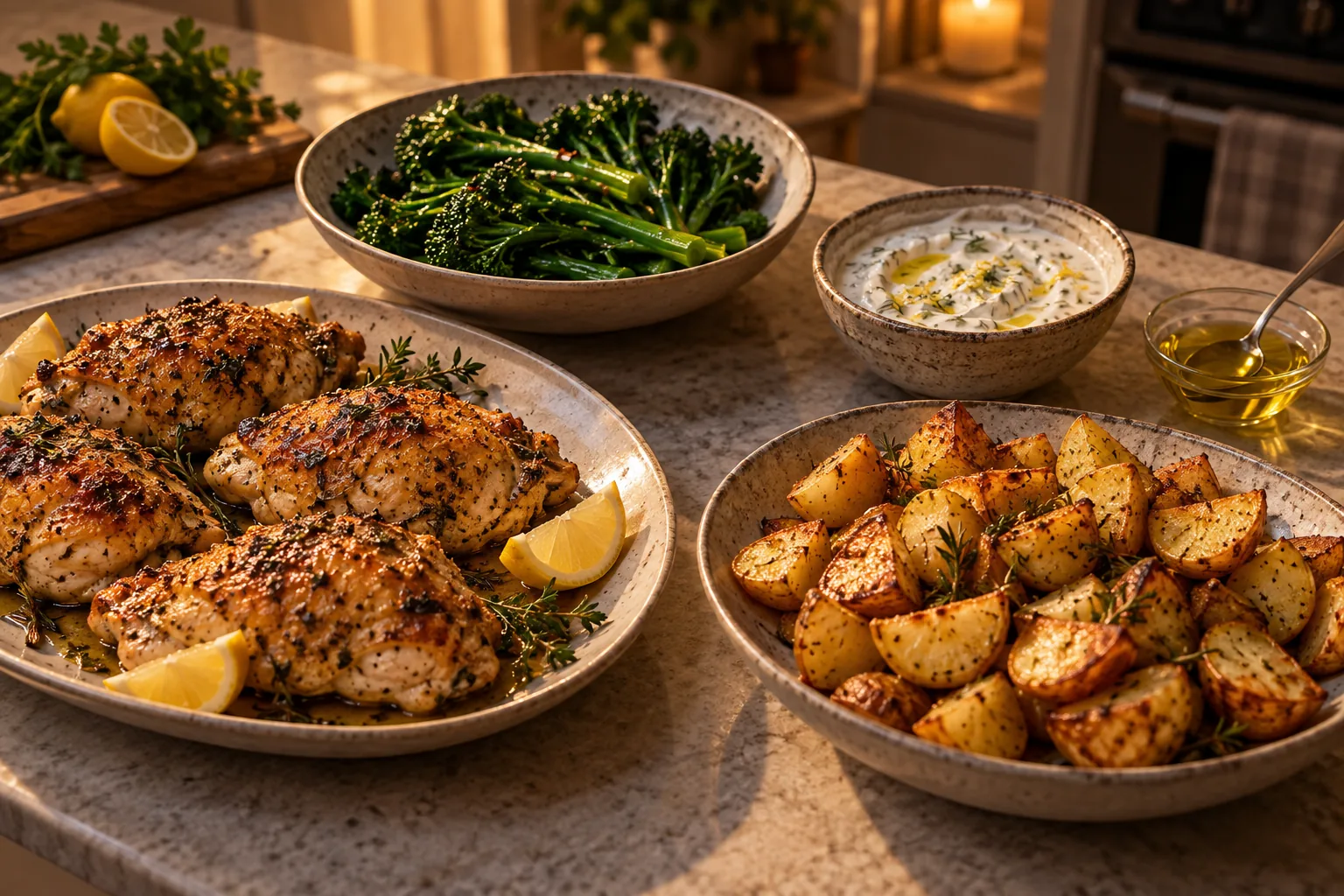
For example, baked chicken, vegetables and potatoes can be a moderate dinner, but the calculation changes with skin-on cuts, a generous oil pour and creamy dressing. The same principle applies to vegetarian dinners: tofu, nuts and avocado are nutritious foods whose portion sizes still matter. Food quality and energy accounting can coexist without turning dinner into a punishment.
As a purely illustrative arithmetic check, suppose your measured protein is labeled 230 calories, potato 160, vegetables 75, and sauce plus oil 95. The sum is 560. Another tablespoon or a larger potato may take the plate above 600. These are example label numbers, not values for every chicken, tofu, potato or sauce. Calculate with what is actually on your plate.
Make dinner repeatable without eating the same plate
Choose two proteins, two vegetable mixes and two carbohydrates for the week. Roast a tray of vegetables, cook a pot of beans or rice, and keep frozen vegetables for the night the plan collapses. Change seasonings so one set of components becomes a stir-fry, grain bowl, pasta or skillet. Our meal-prep system covers storage and timing in more detail.
If dinner is followed by strong hunger every night, review the full day. Skipping lunch, a very aggressive deficit, poor sleep, or a long gap before bed can matter more than the dinner recipe. A planned evening snack may be reasonable; simply forcing a lower dinner number may make adherence worse. The next day's scale reading can move with salt and carbohydrates even when the meal was within your intended intake.
Food first, product decision second
Fat Burn Active does not replace a nourishing dinner, physical activity or an appropriate energy plan. If you are comparing optional supplements, use the Fat Burn Active review to assess the ingredients, stimulant exposure and evidence separately from your food routine. Do not infer a calorie deficit from taking a capsule.
Frequently asked questions
Is a 600-calorie dinner too much for weight loss?
It depends on your daily needs and other meals. The number alone does not determine weight change.
Should I cut all carbohydrates at dinner?
No. A portion of potatoes, rice, pasta or beans can fit a balanced meal and may help satisfaction.
Can I make these dinners vegetarian?
Yes. Tofu, tempeh, beans, lentils and eggs can be protein anchors. Check the protein amount of the whole meal and vary your foods.
Sources
- NIDDK: Sustainable eating and physical activity
- NIDDK: Food portions
- USDA FoodData Central: Nutrient lookup
- CDC: Vegetables and fruit for meal volume
- USDA MyPlate: Vary protein choices
Sources reviewed September 26, 2026. The examples are flexible food structures, not verified fixed-calorie recipes or medical advice.